🐾 LandCare difficulty: BeginnerLegal complexity: Low
Shropshire
Ovis aries · also called Shrop
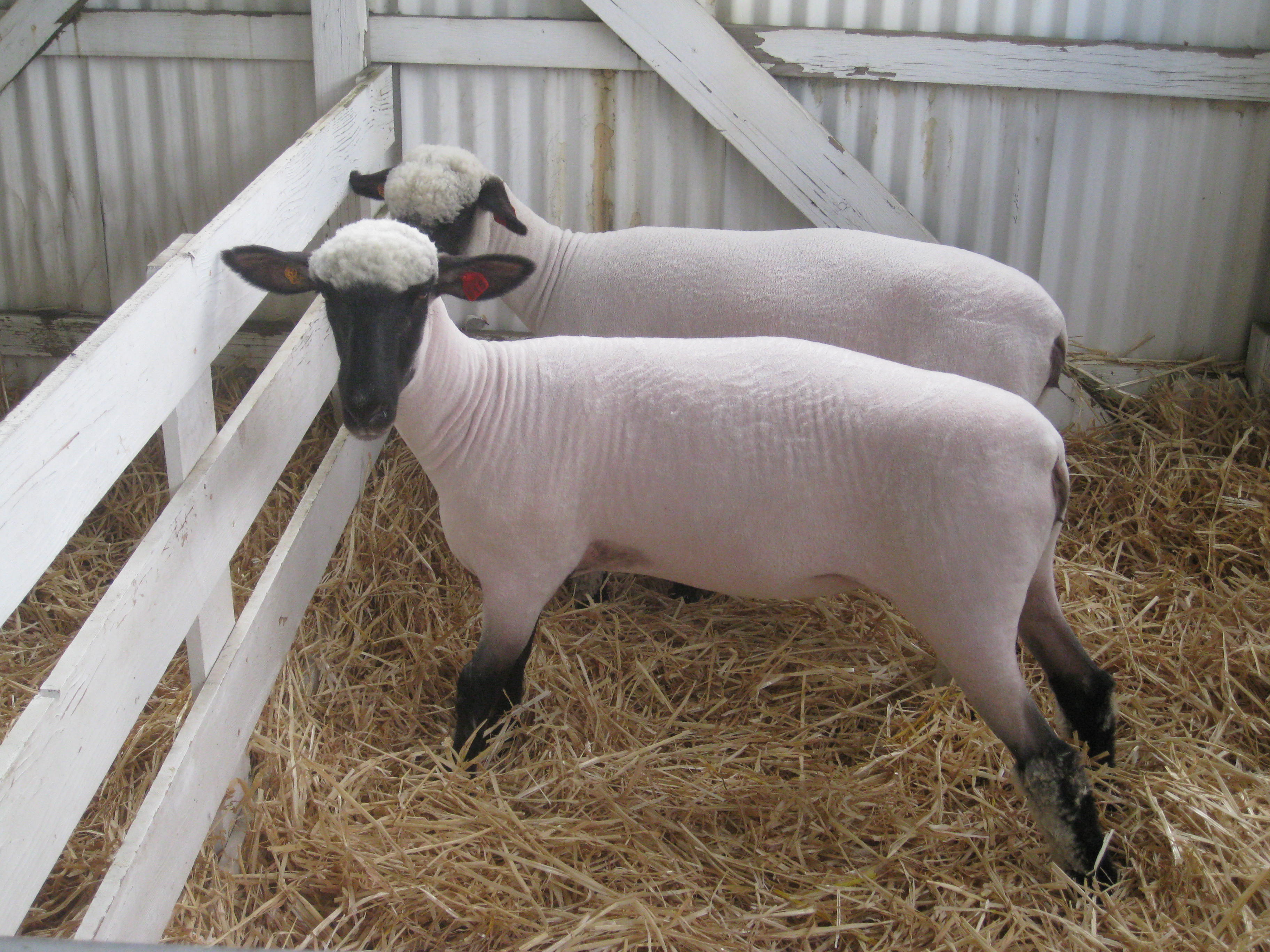
A medium-sized, dual-purpose English Down breed with a distinctive soft black face and black legs, valued for both quality meat and a dense, fine fleece. Shropshires are famous for being safe to graze in Christmas-tree plantations because they tend not to strip the trees.
Educational only. KinStation content is reviewed by licensed veterinarians but cannot replace an in-person exam. Always consult a licensed veterinarian or board-certified specialist for diagnosis, treatment, or any decision affecting your pet's health.
🩺 Need expert help with your shropshire?
Connect with a specialist near you or ask a licensed vet — never substitute online guidance for hands-on care in an emergency.
Quick facts
| Size | Ewes ~68-91 kg (150-200 lb), rams ~102-127 kg (225-280 lb) |
| Lifespan | 10–14 years |
| Social needs | group |
| Native region | England |
| Family | Bovidae |
| Genus | Ovis |
Part of the Sheep breeds
Recognized sheep breeds — selectively bred for type, purpose, and appearance.
Habitat & space requirements
From the minimum an animal needs to be kept humanely, up to the ideal setup. Bigger is almost always better — minimums are floors, not targets.
Life & growth stages
How this animal changes through its life — each stage often has its own care, diet and space needs.
Habitat & enclosure
Keep as a flock on well-fenced pasture with a windproof, dry shelter or barn for lambing and bad weather. The breed is hardy and thrives on grass; rotational grazing helps manage worms. Provide constant clean water and free-choice sheep minerals. Their reputation for grazing among conifers means they are often run in tree plantations and orchards as living weed control.
Diet
Primarily grass and legume pasture, with hay supplementation in winter or drought. They are good foragers and easy keepers, so monitor body condition to prevent obesity. Offer sheep-formulated minerals only — never copper-supplemented cattle/goat feed, as sheep suffer copper toxicity. Pregnant and lactating ewes may need modest grain/concentrate to support twins. Always provide fresh water.
Behavior & temperament
Docile, friendly, alert and good mothers with strong milk supply and easy lambing — a forgiving choice for beginners and smallholders. Dual-purpose: produces well-muscled market lambs and a soft, springy medium-wool fleece. A noted niche use is grazing Christmas-tree and conifer plantations, since Shropshires generally leave the trees alone while eating grass and weeds.
Health
Robust and adaptable. Some heavily-wooled lines can develop wool-blindness (fleece covering the eyes), so select for an open face or keep it clipped. Otherwise the standard ovine concerns apply: internal parasites (use FAMACHA), footrot in wet conditions, flystrike, and pregnancy toxemia in over- or under-conditioned ewes. Maintain CDT vaccination, hoof trimming and routine parasite control.
Tips, DIY & hacks
Shear annually in spring and crutch (clip around the rear) before flystrike season. Trim or pluck face wool if it grows over the eyes to prevent wool-blindness. Because they twin readily and milk well, ensure good ewe nutrition in late gestation. Excellent gateway breed for first-time shepherds; tame easily with regular contact. Verify electric or woven fencing is intact, as the breed is active and a capable grazer.
Sources
- American Shropshire Registry Association (breed association)
- Shropshire sheep — Wikipedia (encyclopedia)
- Wikipedia: Shropshire (wiki)