🐾 Land🐦 FlyingCare difficulty: IntermediateLegal complexity: Low
White Holland
Meleagris gallopavo · also called White Holland Turkey, Holland White
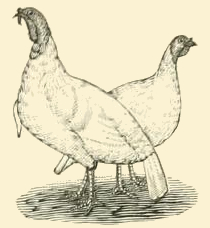
A historic white-plumaged heritage turkey once the dominant commercial white before the Broad-Breasted White displaced it. It is a calm, naturally mating dual-purpose bird now listed as threatened by conservation groups.
Educational only. KinStation content is reviewed by licensed veterinarians but cannot replace an in-person exam. Always consult a licensed veterinarian or board-certified specialist for diagnosis, treatment, or any decision affecting your pet's health.
🩺 Need expert help with your white holland?
Connect with a specialist near you or ask a licensed vet — never substitute online guidance for hands-on care in an emergency.
Quick facts
| Size | Standard heritage turkey. Toms 25-36 lb (11-16 kg), hens 18-20 lb (8-9 kg) |
| Lifespan | 5–10 years |
| Social needs | group |
| Native region | United States / Europe |
| Family | Phasianidae |
| Genus | Meleagris |
Part of the Turkey breeds
Recognized turkey breeds — selectively bred for type, purpose, and appearance.
Habitat & space requirements
From the minimum an animal needs to be kept humanely, up to the ideal setup. Bigger is almost always better — minimums are floors, not targets.
Life & growth stages
How this animal changes through its life — each stage often has its own care, diet and space needs.
Habitat & enclosure
Provide a draft-free, well-ventilated coop or barn with elevated roosts and at least 6-10 sq ft per bird indoors, plus a large secure outdoor run or range. Heritage turkeys roost and benefit from room to fly up; fence ranges (electric or 5-6 ft netting) against predators. Keep litter dry to prevent foot and respiratory problems.
Diet
Feed a 28% protein game-bird/turkey starter for poults, stepping down to a 20-22% grower and a 16-18% maintenance/breeder ration. Supplement with greens, insects, and forage on pasture; provide grit and free-choice oyster shell for laying hens. Always supply clean water, especially for young poults.
Behavior & temperament
Calm, docile, and manageable dual-purpose (meat and eggs) bird. Unlike industrial strains it mates naturally and hens can go broody and raise their own poults. Toms display and gobble in breeding season; generally good foragers and reasonably hardy on range.
Health
Poults are susceptible to blackhead disease (histomoniasis) when ranged with or after chickens, and to coccidiosis and chilling in the first weeks. Adults are largely robust. As a slower-growing heritage line it avoids the leg, heart, and mobility problems of broad-breasted commercial turkeys.
Tips, DIY & hacks
Brood poults warm (95°F week one, dropping ~5°F weekly) and start them on high-protein feed. Avoid co-ranging young turkeys with chickens to reduce blackhead risk and rotate pasture. Select breeders for vigor and natural mating to preserve the heritage line. White pinfeathers give a clean carcass, a historic selling point.
Sources
- White Holland Turkey - The Livestock Conservancy (conservation)
- White Holland turkey - Wikipedia (encyclopedia)
- Wikipedia: White Holland (wiki)