Deserts are arid biomes defined by very low precipitation, where evaporation greatly exceeds rainfall and life is sculpted by water scarcity. Despite the harshness, deserts host remarkably specialized plants and animals adapted to extreme heat, cold nights, and drought.
Geography
Major deserts include the Sahara and Arabian deserts, the North American Sonoran, Mojave, and Chihuahuan, the Atacama, the Australian Outback, and the cold Gobi. Many lie near 30° latitude where descending dry air suppresses rain; others form in rain shadows behind mountains or far inland.
Climate
Aridity is the rule — typically under 250 mm of rain a year — with intense solar radiation, scorching days, and surprisingly cold nights as the dry air sheds heat fast. Some deserts are hot year-round; cold deserts freeze in winter. Rain, when it comes, is often sudden and brief.
Flora & fauna
Water-storing succulents (cacti, agaves) and deep- or shallow-rooted shrubs dominate hot deserts, going dormant in drought. Animals are masters of water economy: many reptiles (bearded dragons, leopard geckos, desert iguanas, horned lizards, sand boas), desert tortoises, scorpions, tarantulas, fennec foxes, and nocturnal rodents avoid the worst heat by burrowing or being active at night.
Conservation
Deserts face groundwater depletion, off-road damage to fragile crusts, mining, solar-farm footprints, invasive grasses that bring fire, and climate-driven warming. Slow-growing desert life recovers poorly from disturbance. Conservation includes protected reserves, water-table management, and limiting habitat fragmentation.
Central bearded dragons are diurnal Australian lizards popular for their generally docile nature and visible behavioral repertoire. They have demanding lighting and dietary requirements that take this species out of true beginner territory.
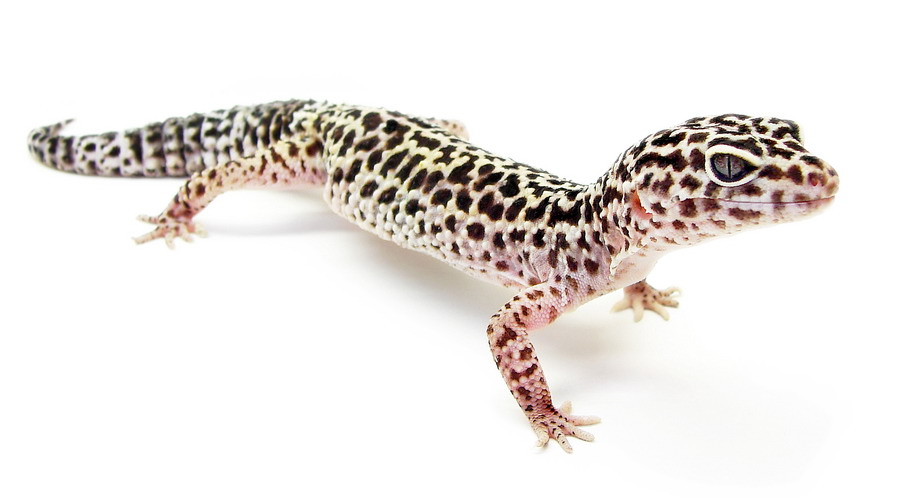
Leopard geckos are small ground-dwelling lizards from rocky scrublands of Central and South Asia. Their docile temperament and modest enclosure needs make them a popular intermediate reptile pet.
A heat-loving, primarily herbivorous lizard of the southwestern US and Mexican deserts that is one of the most heat-tolerant North American reptiles. It needs blazing basking temperatures and a hot, dry, deep-sand setup that few keepers replicate well.
An iconic flattened, horned desert lizard of the south-central US and Mexico that is an obligate harvester-ant specialist. It is legally protected across most of its range and notoriously starves in captivity, making it unsuitable as a pet.
A small, burrowing, orange-and-brown sand boa that spends most of its life submerged in substrate, ambushing prey from below. Its tiny footprint, docile nature, and simple dry husbandry make it a top beginner snake.
A small, docile, slow-moving desert boa that is one of the calmest and most beginner-friendly snakes in the hobby. Its modest size and dry, simple husbandry make it ideal for keepers with limited space.
The largest scorpion native to North America, a robust desert burrower covered in sensory hairs. Hardy and long-lived, with mild venom, but defensive and not a handling pet; best kept as a striking display arachnid.
A small, agile striped scorpion native to the south-central US and northern Mexico, common and often kept by hobbyists. Its sting is painful but not considered medically important to healthy people — unlike its far more dangerous relative the Arizona bark scorpion.
A hardy, docile North American desert tarantula native to the southwestern US, with a blonde carapace contrasting darker legs. Long-lived and undemanding, it is an excellent beginner species suited to dry, arid husbandry. Females are long-lived; mature males live only a year or two after their final molt.
A large, robust, ground-dwelling spiny stick insect from New Guinea, popular for its impressive size and tactile, handleable nature. Males have a thickened, spined hind leg used in defense.
The fennec fox is the smallest fox, a desert specialist famous for its enormous heat-shedding ears. Although not globally threatened, it is heavily traded as an exotic pet, and its specialized needs plus tight legal restrictions make it unsuitable for most owners.
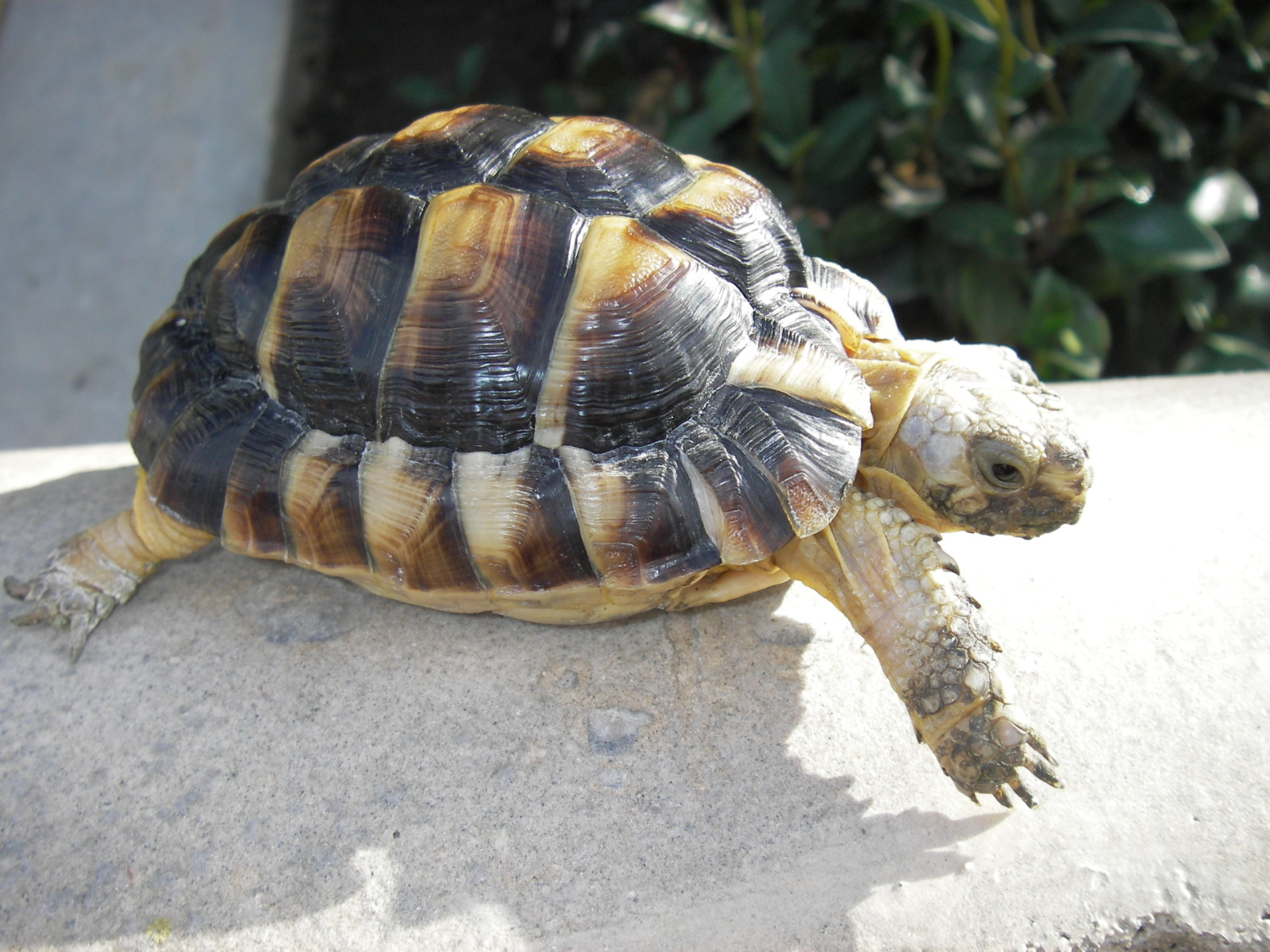
A tiny, critically endangered desert tortoise from North Africa and the Levant, now virtually extinct in Egypt. CITES Appendix I and protected — only legitimate captive-bred, paperwork-documented animals should ever be kept.
Despite the name, the ponytail palm is not a true palm but a succulent relative of agaves and yuccas, storing water in a swollen, bulb-like trunk topped by a fountain of curling strap-like leaves. It is drought-tolerant and very easy to grow.