Wetlands and swamps are transitional ecosystems where soil is saturated or shallowly flooded for much of the year, including marshes, swamps, bogs, and fens. They are biological powerhouses that filter water, buffer floods, store carbon, and shelter an outsized share of amphibians, birds, and aquatic life.
Geography
Wetlands occur on every continent except Antarctica, from tropical swamps like the Pantanal and the Everglades to northern peat bogs and temperate marshes. They form wherever water collects and drains slowly — river floodplains, lake margins, coastal lowlands, and basins with poor drainage.
Climate
Climates range from tropical to boreal, but the unifying factor is waterlogging rather than temperature. Many wetlands flood and recede seasonally, and oxygen-poor, often acidic soils define life there. Peatlands in cool climates accumulate carbon for thousands of years; warm swamps cycle nutrients rapidly.
Flora & fauna
Reeds, sedges, rushes, water lilies, carnivorous plants (pitcher plants, sundews, Venus flytraps in nutrient-poor bogs), and submerged aquatics line the water. Fauna is amphibian-rich — frogs, toads, newts, and salamanders — alongside turtles, water snakes, fish, crayfish, dragonflies, and abundant wading and waterfowl. Many beloved amphibians and turtles in the hobby are wetland species.
Conservation
Wetlands have been drained at vast scale for agriculture and development and are among the world's most degraded ecosystems, with knock-on losses for amphibians and water birds. Pollution, peat extraction, and invasive species add pressure. Conservation centers on protection, rewetting and restoration, and recognizing wetlands' flood and carbon value.
The axolotl is a neotenic salamander that keeps its larval, gilled form for life and is famous for remarkable limb-regeneration abilities. Although bred in huge numbers for the aquarium trade and research, the wild population in Mexico's Xochimilco canals is critically endangered.
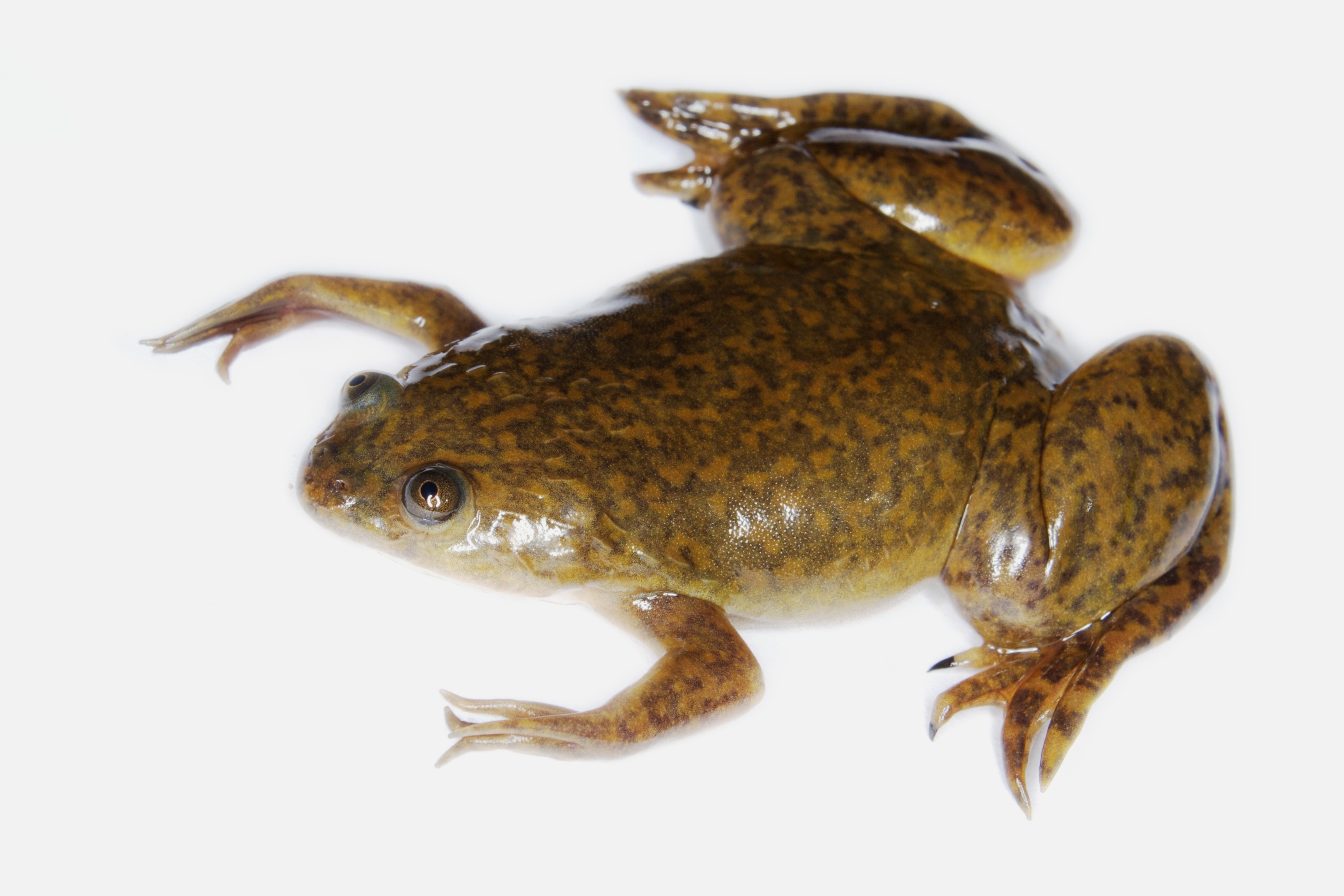
A fully aquatic, flat-bodied frog with clawed hind toes, long used in biology research and easy to keep in a simple freshwater aquarium. It is hardy and long-lived but is an invasive species and legally restricted or banned in many US states, so prospective keepers must check the law and never release it. Do not confuse it with the smaller African dwarf frog (Hymenochirus), which is a different, fully aquatic pet.
A hardy, day-active, semi-aquatic toad with a bumpy green-and-black back and a brilliant red-to-orange belly it flashes when threatened. Its toughness, long life, and lively behavior make it one of the best beginner amphibians, provided its toxic skin secretions are respected.
Pacman frogs are squat, broad-mouthed ambush-predator frogs native to South America. They are sit-and-wait specialists that spend most of their lives partially buried, making them low-activity but high-husbandry pets.
Budgett's frog is a chubby, flat, largely aquatic frog with a wide mouth, tiny eyes set on top of the head, and a famously feisty, screaming defensive display. Hardy and full of personality, it is a popular oddball pet that must be housed alone due to extreme cannibalism.
The Surinam toad is a bizarre, flattened, fully aquatic frog famous for the females brooding eggs in pockets of skin on their back until fully formed toadlets emerge. It is a fascinating display species but demanding to feed and not handleable.
A tiny, highly aquatic North American turtle named for the musky odor it releases when threatened. Hardy, long-lived, and well-suited to smaller aquariums, it is one of the best beginner aquatic turtles.
Red-eared sliders are large semi-aquatic North American turtles often sold small as 'starter pets,' though they grow rapidly and require substantial filtered aquatic setups. They are an invasive species in many regions where they have been released.
A hardy, brightly marked North American pond turtle with red-and-yellow shell margins, popular as a beginner-to-intermediate aquatic pet. Long-lived and active, it needs a large, well-filtered tank with a warm basking spot.
A large, powerful, long-tailed freshwater turtle with a notoriously strong bite, native to North America. Hardy but grows huge and dangerous, and is a regulated invasive species outside its native range — not a casual pet.
A large, intelligent, and famously aggressive freshwater puffer from the Nile and other African rivers, patterned with bold yellow and dark stripes. It is a strict solitary fish with powerful beak teeth and a personality that makes it a rewarding but demanding single-specimen pet.
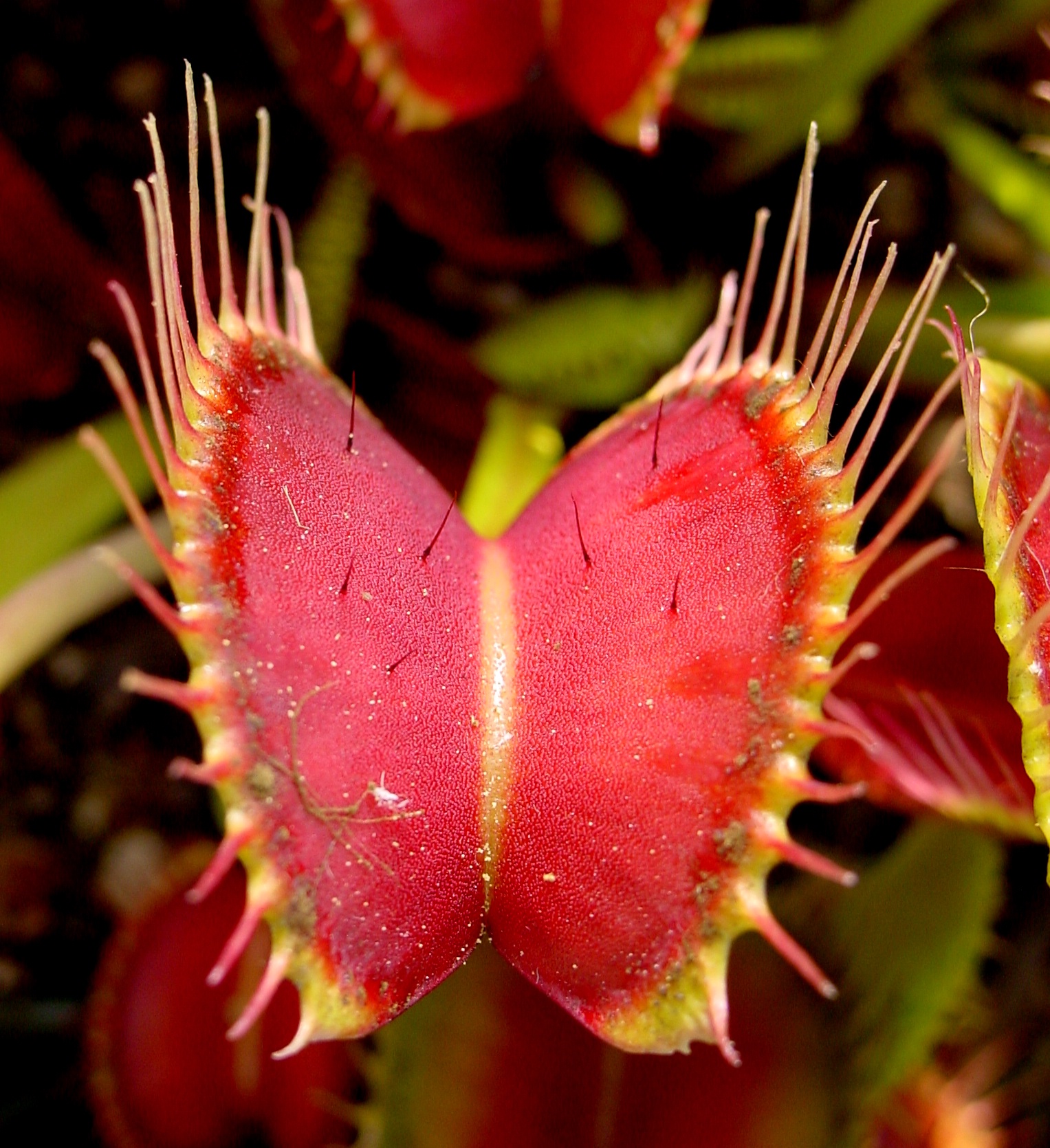
The iconic snap-trap carnivore, the Venus flytrap catches insects in hinged, trigger-haired leaves. It is demanding in very specific ways: pure water, nutrient-poor media, bright sun, and an essential winter dormancy.
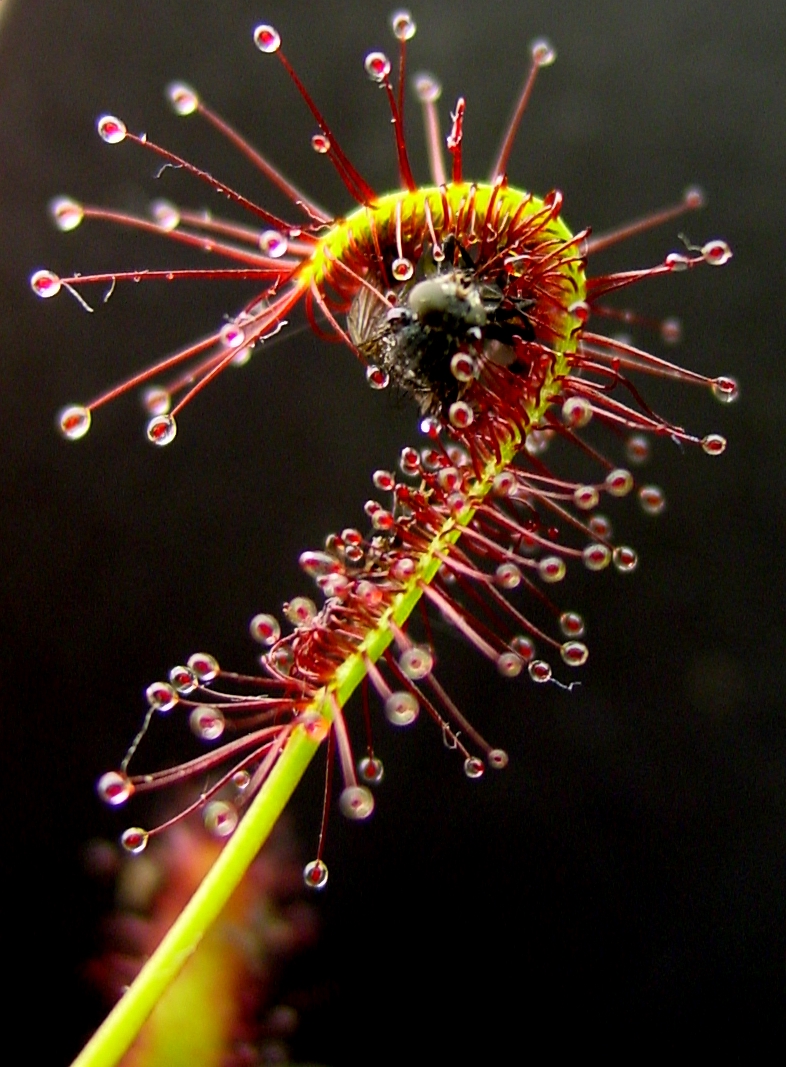
The Cape sundew is widely considered the best beginner sundew: strappy leaves studded with glittering, sticky 'dew' droplets curl around trapped insects. It is vigorous and forgiving by carnivorous-plant standards, but still needs pure water and lean media.
Nepenthes are vining tropical carnivores that dangle fluid-filled 'pitchers' from their leaf tips to drown and digest insects. Unlike temperate carnivores they need no winter dormancy, but they do demand pure water, airy media, warmth, and humidity.
North American trumpet pitchers form tall, upright tubular leaves that lure and drown insects, often beautifully veined in red and white. They are bog plants that demand full sun, pure water, lean media, and — crucially — a real winter dormancy.
A striking bulb plant whose rosette produces arrow-shaped, often red-mottled 'tiger' leaves, available in red and green forms. A dramatic midground centerpiece that can also send pads to the surface.