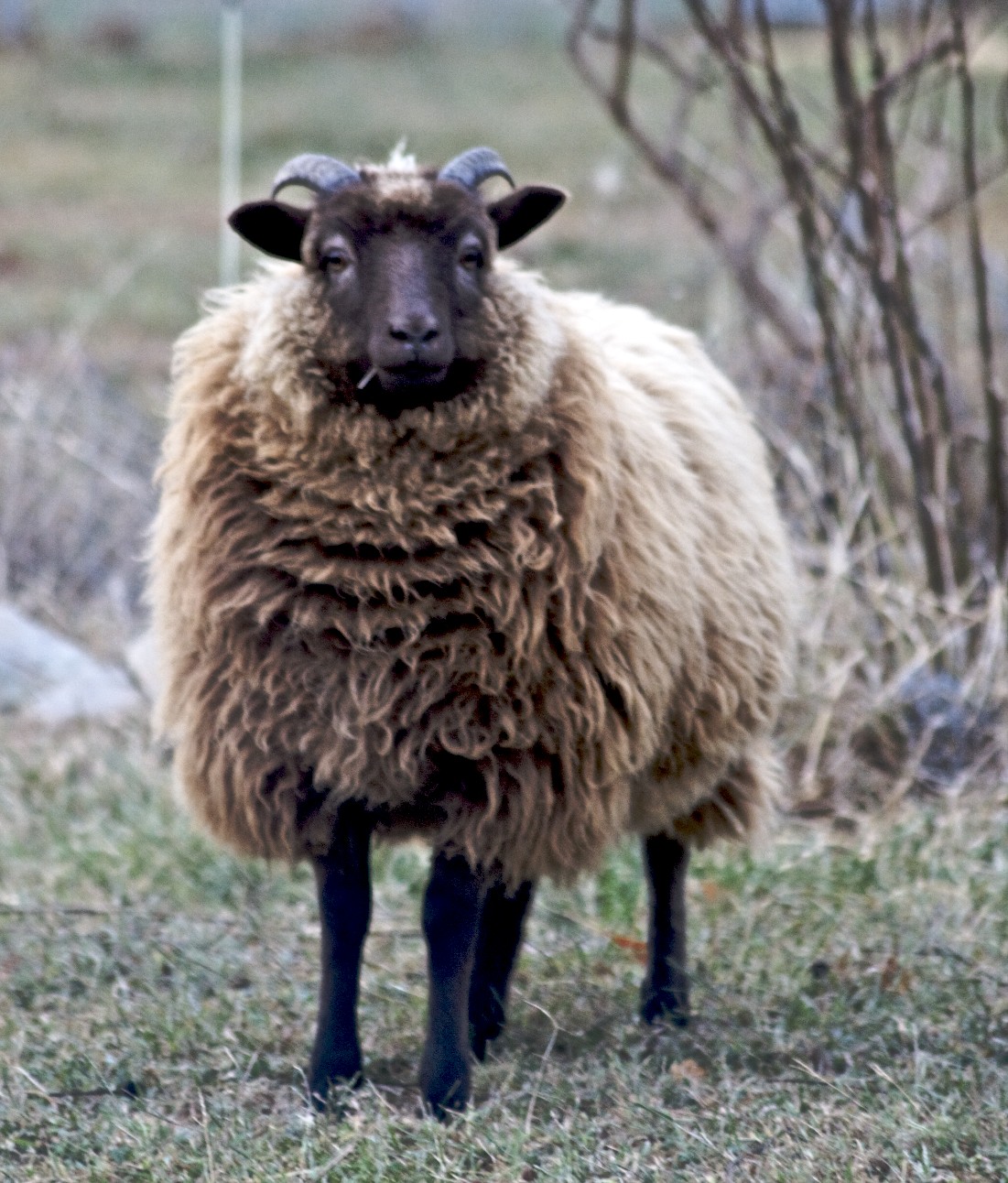
A small, hardy primitive shortwool breed from Scotland's Shetland Isles, prized for soft, fine fleece in a remarkable range of natural colours. Thrifty, long-lived and ideal for smallholdings and handspinners.
ℹ️
Educational only. KinStation content is reviewed by licensed veterinarians but cannot replace an in-person exam. Always consult a licensed veterinarian or board-certified specialist for diagnosis, treatment, or any decision affecting your pet's health.
🩺 Need expert help with your shetland?
Connect with a specialist near you or ask a licensed vet — never substitute online guidance for hands-on care in an emergency.
From the minimum an animal needs to be kept humanely, up to the ideal setup. Bigger is almost always better — minimums are floors, not targets.
Photo coming soon
Minimum
Small flock dry-lot + shed
0.5 ac dry-lot for 4–5 head + 3-sided shed
Sheep are obligate herd animals — keep at least 2–3, never solo. A half-acre dry-lot with daily hay, fresh water, mineral access, and an open-front 3-sided shed for shade and weather. Perimeter must be predator-proof (sturdy woven wire or electric net).
Photo coming soon
Recommended
Rotational pasture
≈ 1 ac per 2–3 sheep, rotated paddocks
Rotate the flock across 2–4 paddocks to break parasite cycles and keep forage healthy. Provide a windbreak/shelter, free-choice minerals, clean water, and a guardian (LGD) or strong perimeter fencing against coyotes and dogs.
Photo coming soon
Ideal
Managed pasture + LGD
Managed rotation, LGD, full hoof/shear program
Large managed pasture rotation with a livestock guardian dog, scheduled hoof trimming, shearing once or twice a year, and parasite monitoring (FAMACHA). Lambing barn or jug space available in season. Shetlands are a small primitive breed — efficient on rough pasture, prized fleeces in a range of natural colors, and lower forage needs than commercial breeds.
Life & growth stages
How this animal changes through its life — each stage often has its own care, diet and space needs.
Photo coming soon
Newborn
Newborn mammals are nursed on their mother's milk. Many are born helpless — blind, deaf, and sparsely furred (altricial, as in dogs, cats, and rodents) — while others stand and follow within hours (precocial, as in hoofed livestock).
Photo coming soon
Juvenile
After weaning, juveniles grow quickly and become increasingly active, playful, and independent. Adult coat, proportions, and (in many species) the permanent teeth come in as they approach full size.
Photo coming soon
Adult
Adults reach full body size and sexual maturity, with the species' mature coat and build. Sexual dimorphism — differences in size, mane, horns, or markings — is pronounced in some mammals and subtle in others.
Senior
Senior animals show aging signs such as graying fur, reduced activity, and a greater need for veterinary monitoring of joints, teeth, and organ function. Lifespan and the onset of old age vary widely by species and size.
Color & pattern variants
Natural variants occur in the wild; selectively bred (man-made) variants were developed in captivity.
Pasture with basic shelter. As a primitive northern breed, Shetlands are extremely hardy and thrive on rough grazing and exposed conditions; a simple windbreak, run-in shed or field shelter suffices. Standard sheep fencing (stock fence or electric netting) contains them, though agile individuals may test weak fences. Stocking density can be higher than for large lowland breeds because of their small size.
Diet
Forage-based: good pasture and hay maintain them well, and they are noted for thriving on poor, sparse grazing where larger breeds would lose condition. Avoid over-feeding concentrates — they fatten easily and grain is rarely needed except for late-gestation ewes or in hard weather. Provide fresh water and a sheep-appropriate mineral lick (copper-tolerant, but follow sheep-specific guidance).
Behavior & temperament
Primarily a fibre breed (handspinner favourite) but genuinely dual-/triple-purpose: fine wool, lean flavourful meat, and easy lambing make it a versatile smallholder sheep. Temperament is alert, intelligent and friendly when handled young; they tame readily and some keep them almost as pets. Ewes are attentive, easy lambers and good mothers; rams are generally docile but, as with any breed, mature rams must be respected.
Health
Robust and largely free of breed-specific defects, contributing to long lifespan. Standard sheep health applies: routine parasite (worm) control, foot trimming and fly-strike prevention. Their fine fleece can be prone to wool break or felting if neglected. As a primitive breed they tend to retain hardiness and good lambing ease, with few inherited disorders.
Tips, DIY & hacks
Roo (hand-pluck) rather than shear primitive individuals that still naturally shed at the wool 'rise' for a cleaner fleece, or shear normally before the rise to avoid felted breaks. Their many natural colours are recorded under traditional Shetland dialect names — record fleece colour for handspinning markets. Start handling and halter-training young; they tame easily. Excellent first sheep for beginners and conservation grazing.