Rivers and streams are flowing (lotic) freshwater ecosystems that move water, sediment, and nutrients from headwaters to the sea. Their currents, oxygen levels, and changing depth create a mosaic of habitats from cold rocky riffles to slow, warm lowland reaches, home to a vast diversity of fish, invertebrates, and amphibians.
Geography
Rivers occur on every continent, organized into drainage basins that funnel rain and snowmelt downstream. Giants like the Amazon, Congo, Mekong, and Mississippi anchor enormous basins, while countless small streams feed them. The character of each reach changes from steep, fast upland sections to broad, meandering lowland channels and deltas.
Climate
River conditions track their region's climate and elevation: cold, fast, oxygen-rich mountain streams versus warm, slow lowland rivers. Flow swings with rain and snowmelt, producing seasonal floods and low-water periods. Temperature, oxygen, and current speed are the master variables shaping who lives where.
Flora & fauna
Submerged and marginal plants (vallisneria, cryptocoryne, ludwigia, java fern on rocks) anchor the food web alongside algae. Fauna includes a huge range of fishes — tetras, barbs, rasboras, cichlids, catfish, plecos, gouramis, rainbowfish — plus shrimp, snails, crabs, crayfish, river turtles, newts, and frogs. Many of the most popular aquarium species are river natives.
Conservation
Rivers are heavily impacted by dams, water extraction, pollution, channelization, sediment loss, and invasive species, which fragment migration routes and degrade water quality. Freshwater species are among the most threatened on Earth. Conservation focuses on flow protection, dam removal or fish passage, pollution control, and riparian buffers.
An iconic, peaceful nano shoaling fish famous for its electric-blue lateral stripe and red rear half. A classic beginner community species that must be kept in groups.
A bold, energetic golden-orange barb with four black vertical bars, famous as much for its activity as for its notorious fin-nipping. Best kept in a large group to spread out its boisterous behavior.
An iconic, diamond-shaped South American cichlid with tall, trailing fins. Graceful and personable, but its adult size and mild territoriality make it a step up from true beginner fish.
Discus are disc-shaped, brilliantly colored cichlids native to the Amazon basin. They are widely considered the most demanding freshwater aquarium fish, requiring soft, warm, very clean water and group housing.
Bettas, also called Siamese fighting fish, are tropical freshwater labyrinth fish from Southeast Asia. They require heated, filtered tanks despite their reputation for surviving in tiny bowls.
A hardy, fast-swimming striped shoaling fish that is one of the best beginner aquarium species and a famous scientific model organism. Active, adaptable, and very easy to keep in groups.
A compact, armored suckermouth catfish that stays far smaller than the common pleco, making it a practical algae-grazer for community tanks. Mature males sport distinctive branching tentacles across the snout.
A hardy, colorful dwarf freshwater shrimp that grazes algae and biofilm, making it one of the best beginner invertebrates and a staple of planted nano tanks.
Popularized by aquascaper Takashi Amano, this translucent shrimp is one of the most effective algae eaters in the hobby and is peaceful enough for almost any community tank.
Prized as the best algae-eating snail in the hobby, the nerite clears glass, plants, and decor without breeding out of control because its larvae only survive in brackish water.
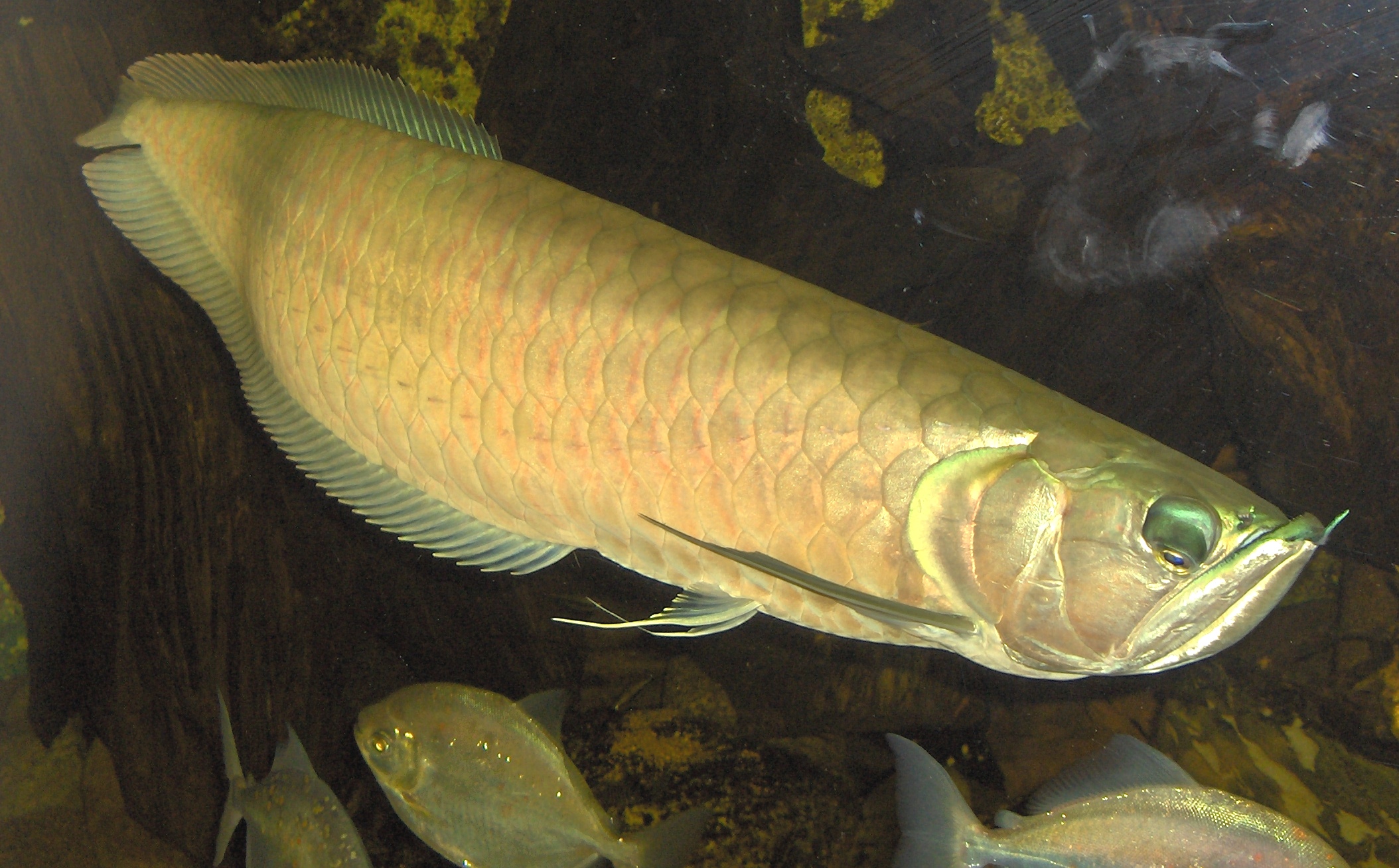
The silver arowana is a sleek, surface-cruising South American predator with a long ribbon-like body, upturned 'drawbridge' mouth, and powerful leaping ability. A spectacular but demanding fish, it reaches enormous size and requires a massive, securely covered aquarium — strictly for experienced keepers with the space to match.
A large, intelligent South American river ray with a venomous, serrated tail barb that can deliver an extremely painful, medically significant sting. It needs a huge, pristine, footprint-driven system and is restricted or outright banned in many US states, making it an advanced, legally fraught choice.
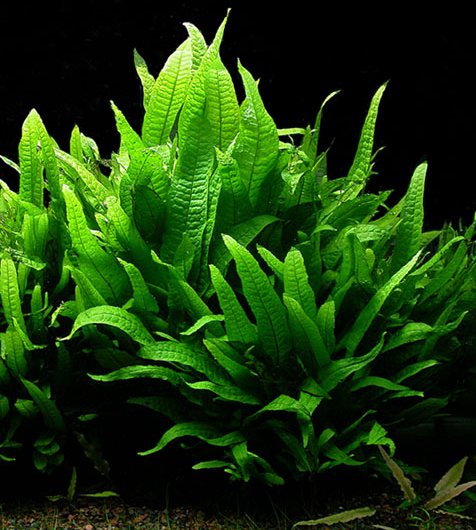
Java fern is one of the hardiest, most beginner-friendly aquarium plants, an epiphyte that attaches to wood and rock by its rhizome and tolerates a wide range of conditions. Its tough, leathery leaves are unpalatable to most fish, making it a staple of low-tech planted tanks. Note: the currently accepted botanical name is Leptochilus pteropus, though Microsorum pteropus remains the standard name in the aquarium trade.
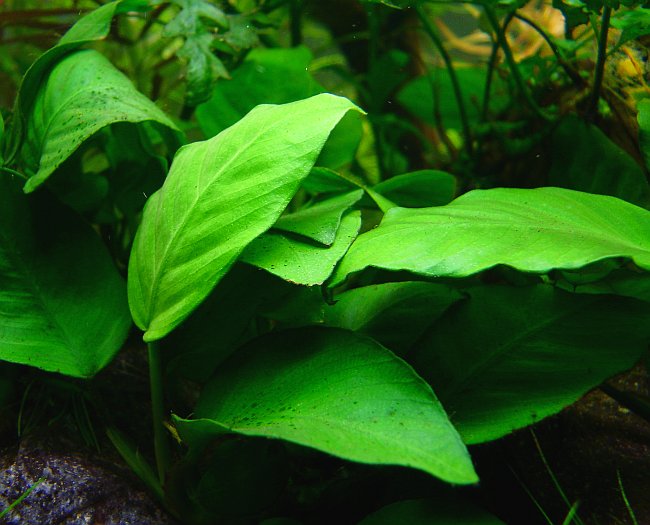
Anubias barteri is a robust, slow-growing rhizome plant with thick, dark-green leathery leaves that attaches to wood and rock. Nearly indestructible and tolerant of low light, it is a cornerstone of low-tech and beginner aquascapes.
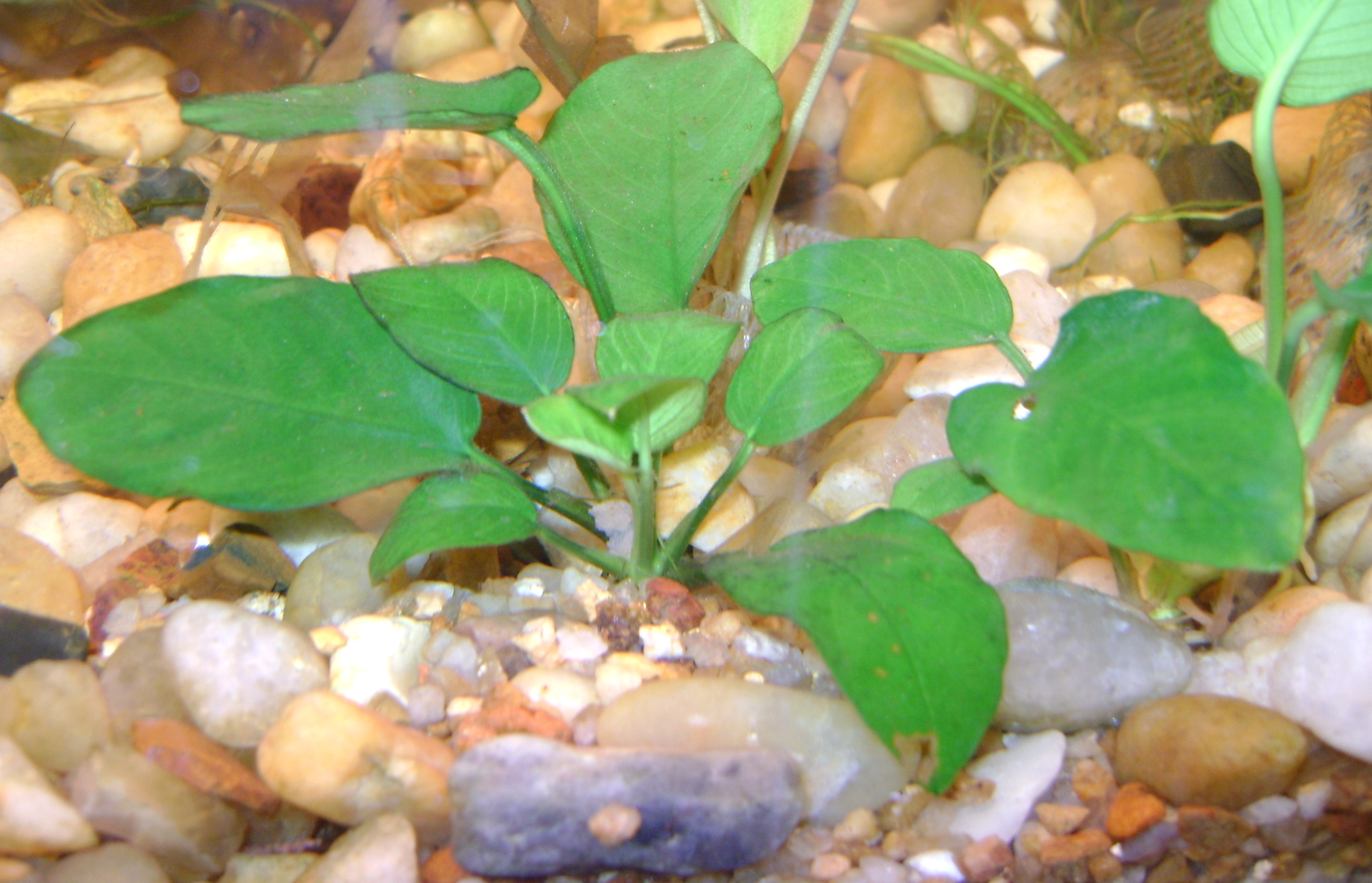
Anubias nana is a compact dwarf variety of Anubias barteri, prized for its small, rounded dark-green leaves and tiny footprint. It attaches to hardscape, tolerates very low light, and is one of the easiest aquarium plants to grow.
An extremely hardy, variable rosette crypt available in green, brown, and red forms, ideal for low-tech midgrounds. Famous for 'crypt melt' after a move, after which it regrows reliably from the rootstock.
A fast-growing rosette plant with long, ribbon-like leaves that form a flowing grassy curtain across the background. Hardy, undemanding, and excellent for beginners and large display tanks.
A robust, beginner-friendly red stem plant with oval leaves that range from green on top to deep red underneath. One of the easiest ways to add red coloration to a planted tank.
Bucephalandra is a diverse genus of slow-growing rhizome plants endemic to Borneo, prized for thick, often iridescent leaves in countless varieties. Like Anubias it attaches to hardscape by its rhizome and is hardy and undemanding.
One of the most popular red/pink aquarium plants, with lance-shaped leaves that are green-to-olive on top and vivid pink-to-purple underneath. A striking color accent in planted layouts.