Tropical rainforests are warm, perennially wet broadleaf forests near the equator, built in dense vertical layers from forest floor to emergent canopy. They hold more than half of all known terrestrial plant and animal species on a small share of the land surface, and play an outsized role in the global carbon and water cycles.
Geography
The great rainforest blocks are the Amazon Basin of South America, the Congo Basin of central Africa, and the islands and peninsulas of Southeast Asia, with smaller pockets in Central America, the Western Ghats, and Madagascar. They cluster in a belt within roughly 10° of the equator where rainfall is high and seasonality is weak. Rivers, oxbow lakes, and seasonally flooded *várzea* forest add habitat variety.
Climate
Rainforests are defined by warmth and abundant rain: typically 25–28 °C year-round with little annual variation, high humidity, and rainfall often exceeding 2,000 mm spread across the year. There is no true cold season; days and nights stay mild, and the dense canopy creates a dim, still, humid microclimate near the floor.
Flora & fauna
Plant diversity is extreme — towering hardwoods, lianas, strangler figs, palms, bromeliads, orchids, aroids (philodendrons, monsteras, anthuriums), and ferns, many grown as houseplants. Fauna includes parrots, macaws, toucans, dart frogs, tree frogs, monkeys, snakes, tarantulas, geckos, and countless insects. Many beloved exotic pets — poison dart frogs, day geckos, and Amazonian parrots — originate here.
Conservation
Deforestation for agriculture, cattle, logging, mining, and roads is the dominant threat, fragmenting habitat and releasing stored carbon. Climate change adds drought and fire risk. Conservation centers on protected areas, Indigenous land rights, reduced-impact and certified logging, restoration, and curbing the illegal wildlife and timber trade.
The scarlet macaw is a spectacular large macaw and one of the most demanding companion parrots, with a powerful beak, immense noise, and a lifespan that can rival a human's. It suits only experienced keepers able to provide enormous space, enrichment, and a lifelong commitment.
One of the largest and most popular companion macaws, the blue-and-gold is a brilliantly colored, intelligent, and highly social parrot that demands extensive space, enrichment, and decades-long commitment. It is loud, powerful, and not suited to apartments or first-time bird owners.
The toco toucan is the largest and most iconic toucan, an active softbill frugivore that needs an aviary, a specialized low-iron diet, and dedicated specialist care. It is a serious commitment, not a starter bird.
Green iguanas are large arboreal herbivorous lizards native to Central and South America. Hatchlings sold cheaply often grow to 5–6 feet and are surrendered in large numbers — they are widely considered an advanced-care species despite their availability.
A bold, boldly patterned and relatively large poison dart frog that is one of the most popular and beginner-friendly species in the hobby. Captive-bred frogs are non-toxic because the alkaloid defenses come from a wild diet of ants and mites.
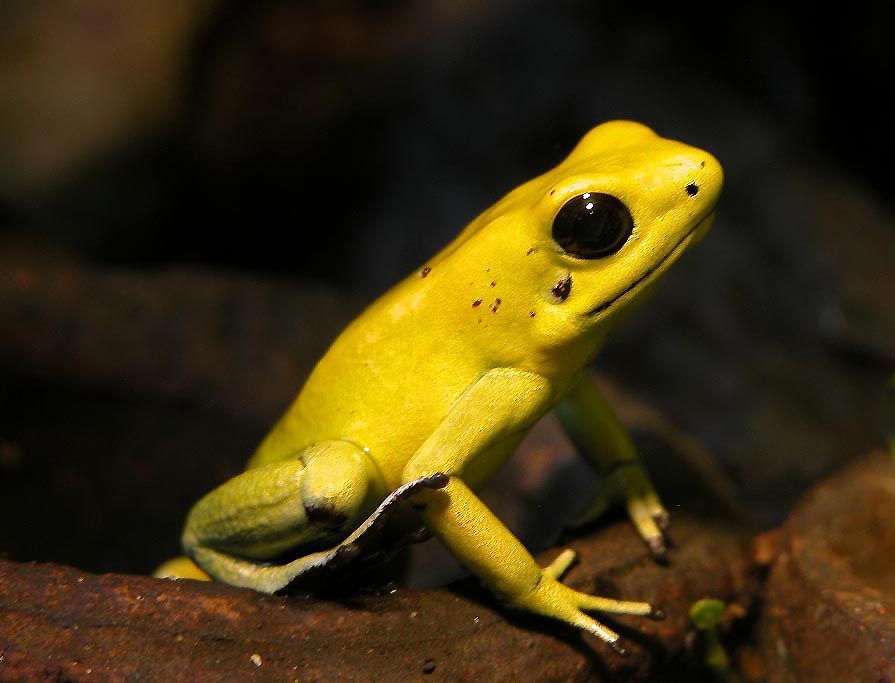
The largest poison dart frog and, in the wild, one of the most toxic animals on Earth, carrying enough batrachotoxin to be lethal. Captive-bred specimens are completely non-toxic because the toxin derives from wild prey, making this striking golden-yellow frog a manageable and rewarding vivarium animal.
A bold, diurnal poison dart frog patterned in metallic green and black that is among the hardiest dart frogs and a popular choice for planted vivariums. Captive-bred specimens are non-toxic because their alkaloid defenses come entirely from a wild diet.
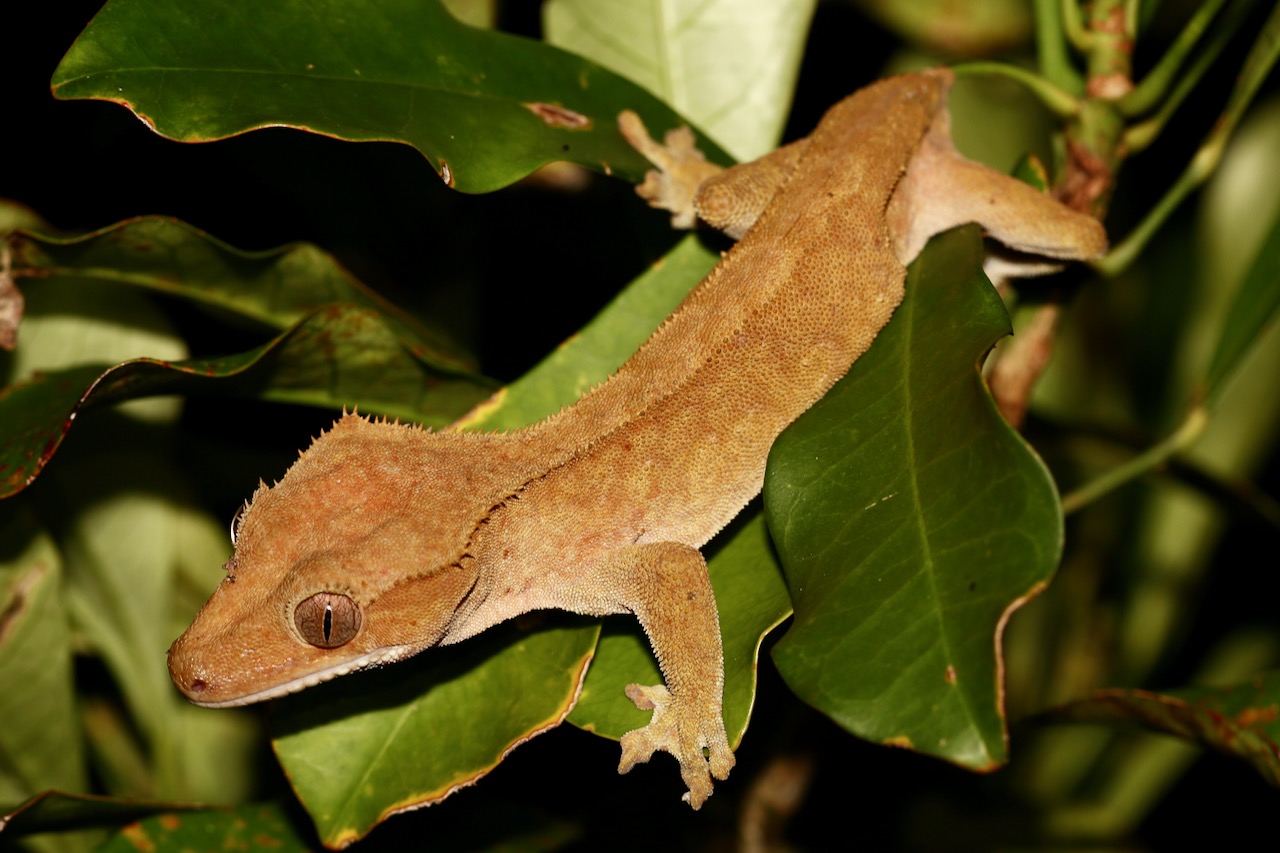
Crested geckos are arboreal nocturnal lizards from New Caledonia, kept as pets in vast color and pattern morphs. Their tolerance of room-temperature husbandry and complete commercial diets have made them one of the most beginner-friendly arboreal reptiles.
A brilliant emerald-green, diurnal arboreal gecko from Madagascar, prized for its bold daytime activity and red dorsal markings; a look-but-handle-rarely display species.
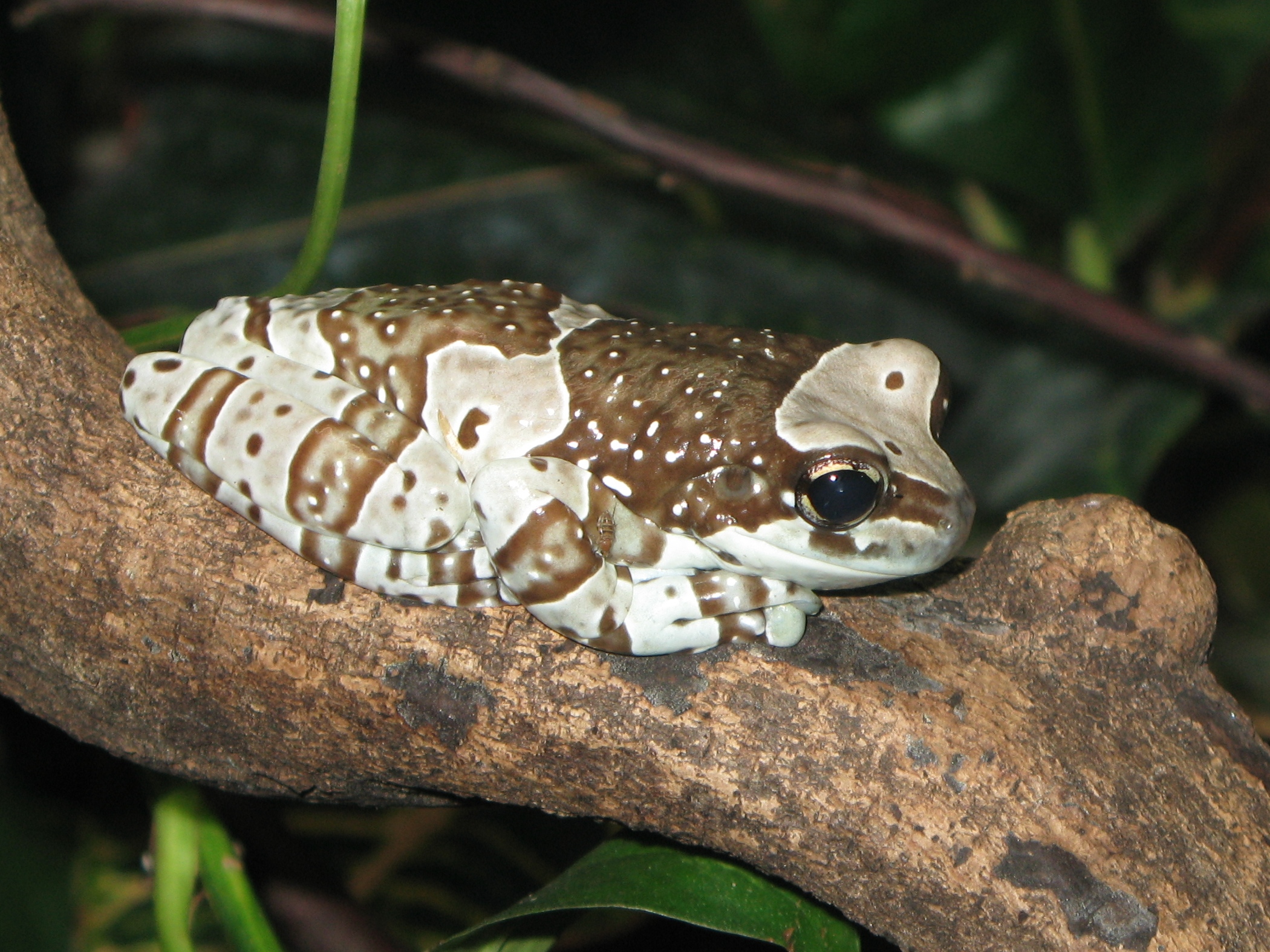
A large, arboreal tree frog with striking gold cross-shaped eyes and a banded brown-and-gray body that becomes bluish in adults. Named for the milky, sticky defensive secretion it exudes when stressed, it is a hardy, charismatic display frog.
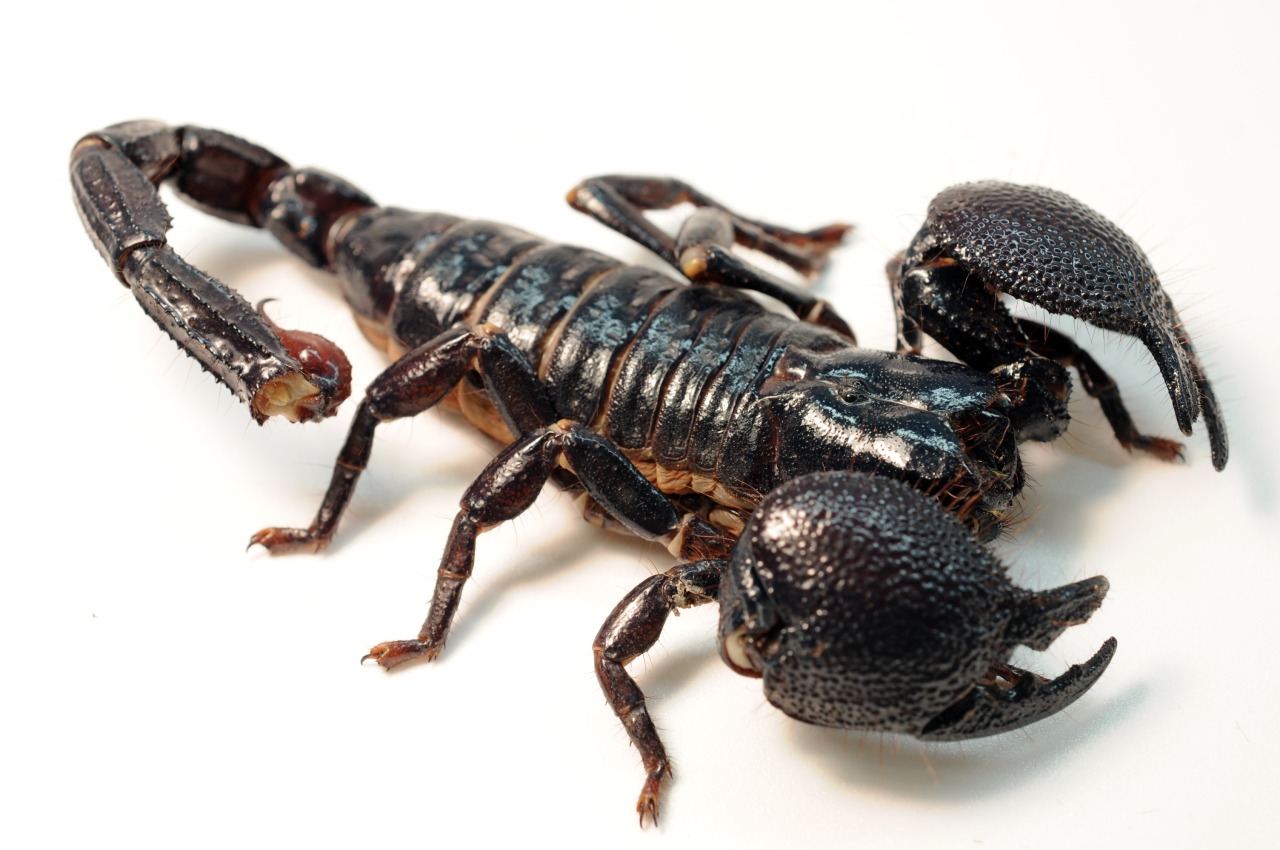
Emperor scorpions are large, glossy black West African scorpions long popular in the U.S. pet trade. They are docile relative to other scorpions, with mild venom roughly comparable to a bee sting in most healthy adults — though allergic reactions are possible.
The heaviest spider on Earth, a massive New World terrestrial tarantula from the South American rainforest floor. Spectacular but demanding, with potent urticating hairs and exacting humidity needs that make it a species for experienced keepers. Note that many spiders sold in the hobby as T. blondi are actually the very similar Theraphosa stirmi, which has near-identical care.
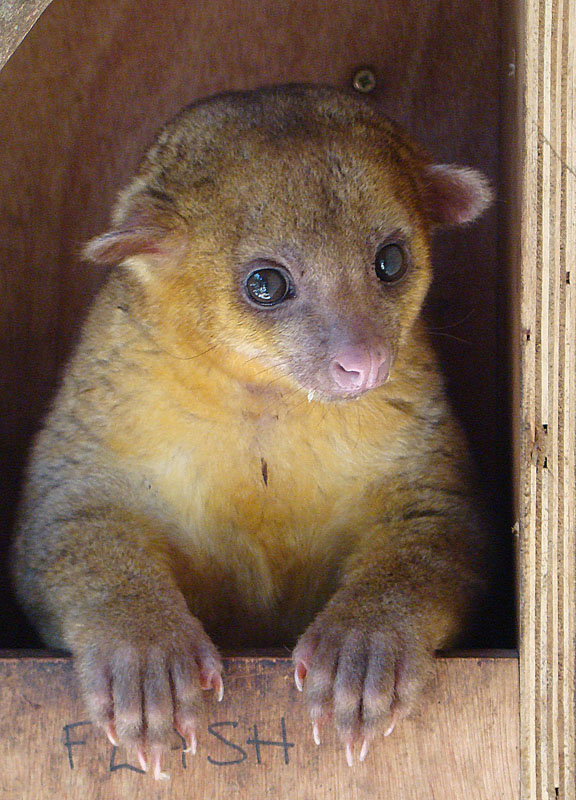
Kinkajous are arboreal Central and South American mammals related to raccoons. They are charismatic but nocturnal, long-lived, and difficult to keep — they bite when overstimulated and carry zoonotic risks. **Banned or permit-required in many U.S. states.**
An iconic climbing aroid famous for its enormous glossy leaves that develop dramatic holes and splits (fenestrations) as the plant matures. In the wild it scrambles up rainforest trees and can bear an edible fruit.
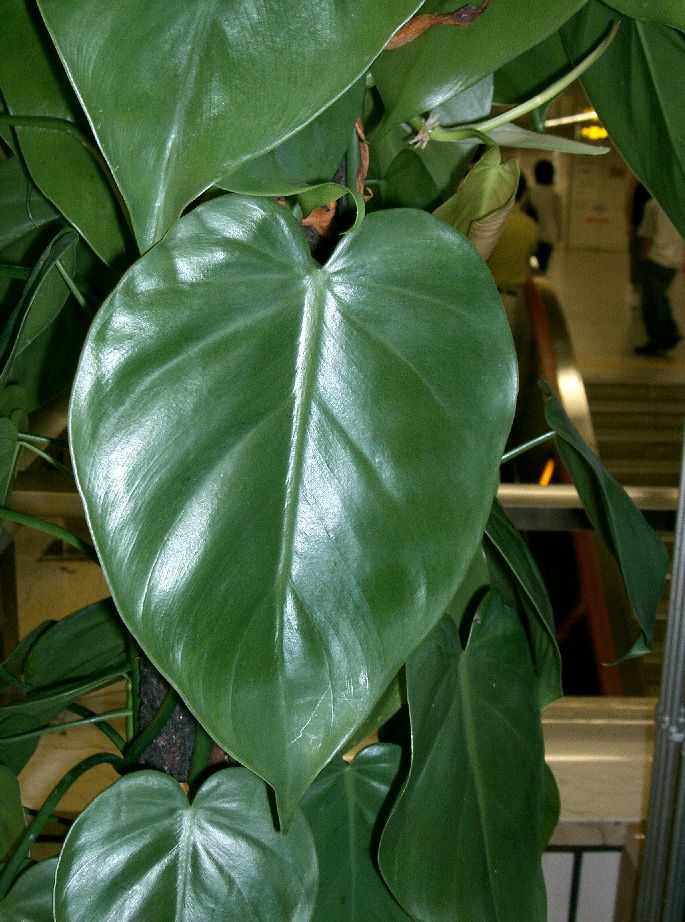
A classic trailing aroid with soft, glossy, heart-shaped leaves on slender vines. Tolerant of low light and easy to grow, it is one of the most popular and forgiving hanging or climbing houseplants, often confused with pothos.
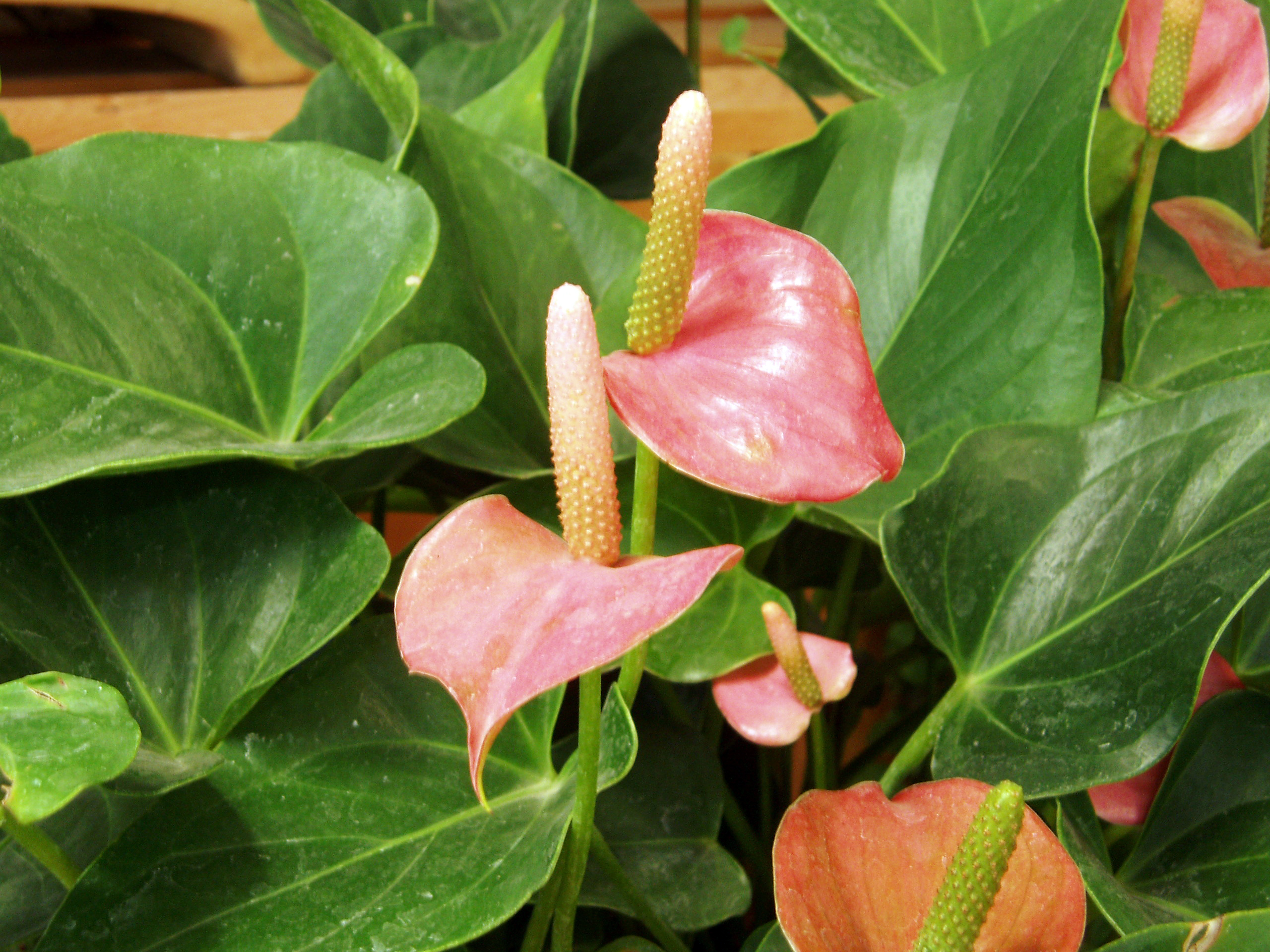
Grown for its glossy, heart-shaped, lacquer-red (or pink/white) spathes that can last for weeks, the anthurium is a long-blooming tropical aroid. Its 'flower' is a colorful bract around a slender spadix.
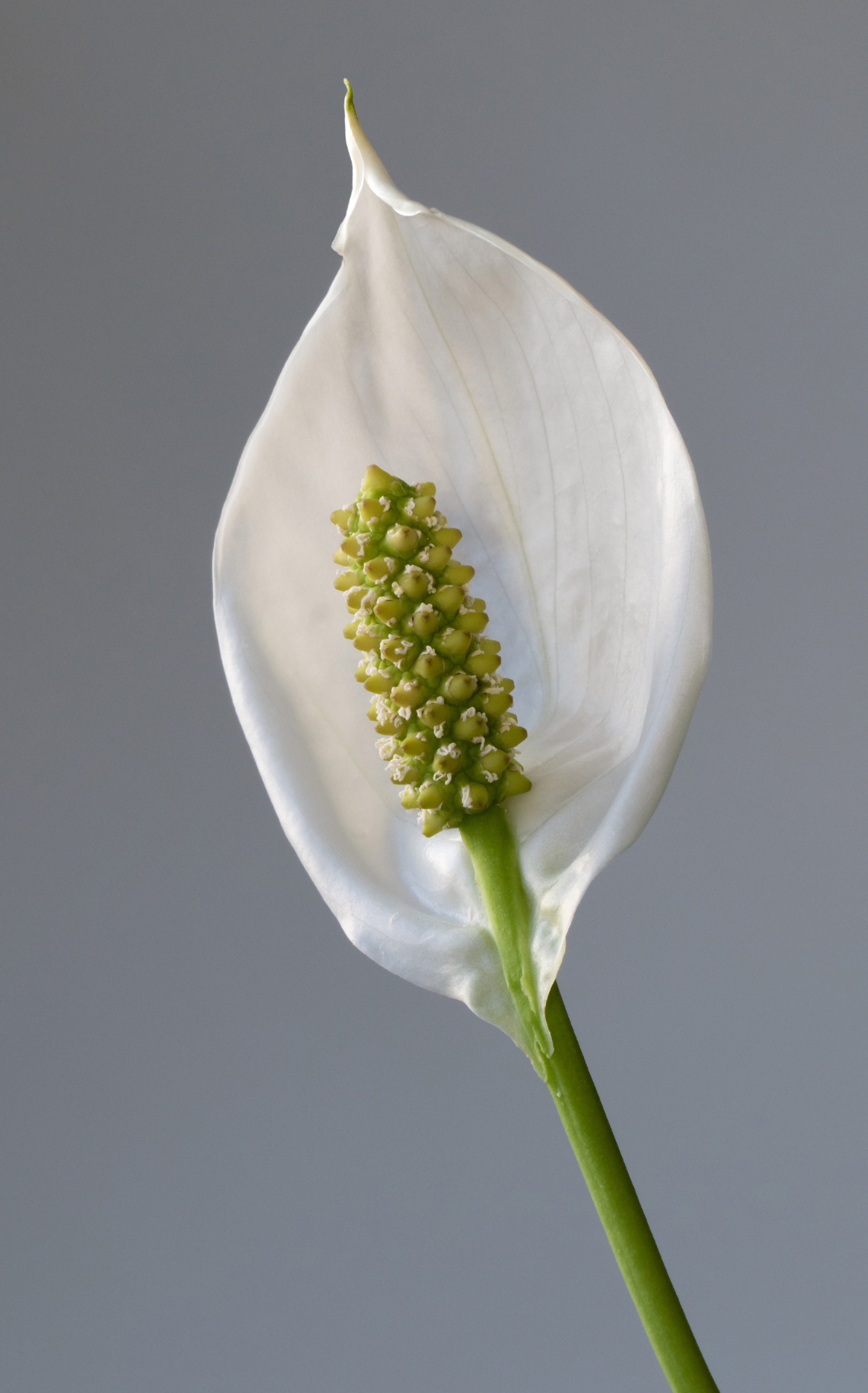
A forgiving aroid prized for glossy foliage and pure-white spathes, the peace lily blooms in modest light and famously droops dramatically when thirsty. Despite the name it is not a true lily.
A statement foliage plant grown for its large, rounded leaves striped in alternating silvery-green and deeper green bands. Like other marantas it gently raises and lowers its leaves with the day, and it demands steady humidity and clean water to look its best.
Prized for dramatic arrow-shaped leaves with bold pale veining, Alocasia is a striking but demanding tropical aroid that wants warmth, humidity, and steady moisture. It commonly goes dormant in winter, which alarms new owners.
Among the most forgiving of all houseplants, golden pothos is a trailing aroid with glossy, heart-shaped leaves marbled in gold. It tolerates neglect and low light, earning the nickname 'devil's ivy' for being nearly impossible to kill.
The most beginner-friendly orchid, the moth orchid produces arching sprays of long-lasting flat blooms and can be coaxed to rebloom from the same spike. It grows in bark, not soil, because it is an epiphyte.