Carpet anemone
Stichodactyla gigantea · also called Giant carpet anemone, Gigantea carpet anemone, Sand carpet anemone

Photo · CC BY 3.0
The giant carpet anemone is a large, flat anemone covered in a dense carpet of short, often very sticky tentacles, frequently in vivid green, blue, or purple. It is a premier clownfish host but is one of the more difficult anemones to keep, with a potent, adhesive sting that can capture fish and shrimp. It needs intense light, a deep sandbed, pristine stable water, and careful tankmate selection, making it strictly an expert-level animal.
🩺 Need expert help with your carpet anemone?
Connect with a specialist near you or ask a licensed vet — never substitute online guidance for hands-on care in an emergency.
Quick facts
| Size | Oral disc commonly 12-20 in (30-50 cm), reaching ~3 ft (1 m) in the wild; a large, flat carpet of short tentacles. |
| Lifespan | 10–100 years |
| Social needs | solo |
| Native region | Indo-Pacific |
| Origin | Old World |
| Climate | 🌴 Tropical |
| Water type | 🌊 Marine |
| Family | Stichodactylidae |
| Genus | Stichodactyla |
Part of the Sea Anemones
Stinging, sessile cnidarians ranging from clownfish-hosting giants to nano-sized carpet species. Many are demanding, mobile, and can sting corals or be drawn into pumps — careful placement and rock-stable water are essential.
Habitat & space requirements
From the minimum an animal needs to be kept humanely, up to the ideal setup. Bigger is almost always better — minimums are floors, not targets.
Life & growth stages
How this animal changes through its life — each stage often has its own care, diet and space needs.
Color & pattern variants
Natural variants occur in the wild; selectively bred (man-made) variants were developed in captivity.
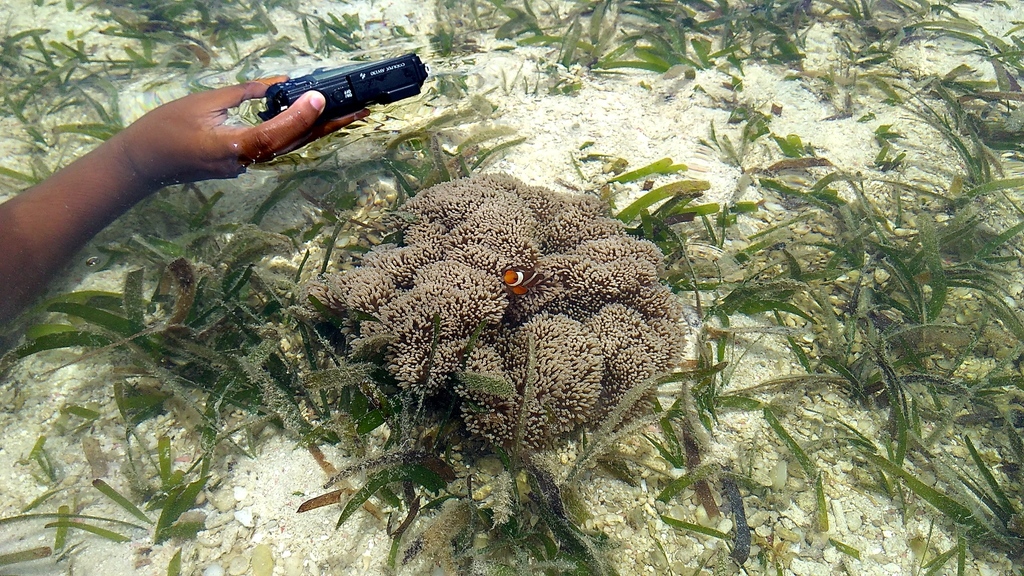 representative
Green carpet →
Bright fluorescent green disc, a common and highly sought wild color form.
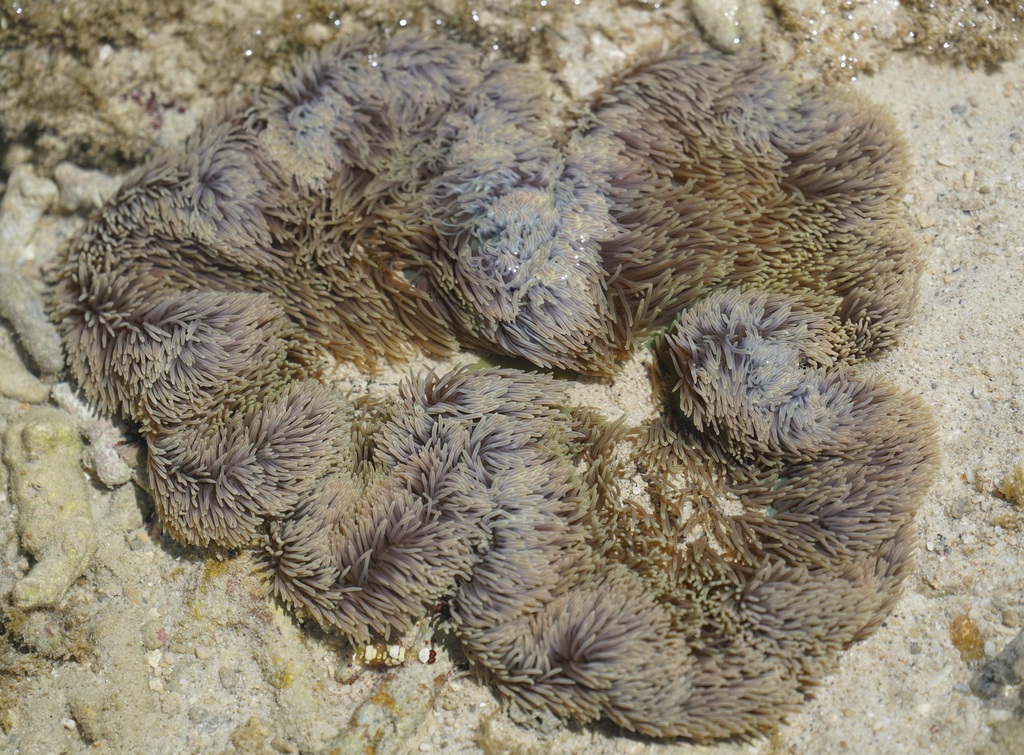 representative
Blue carpet →
Vivid blue disc, one of the most prized and expensive natural color forms.
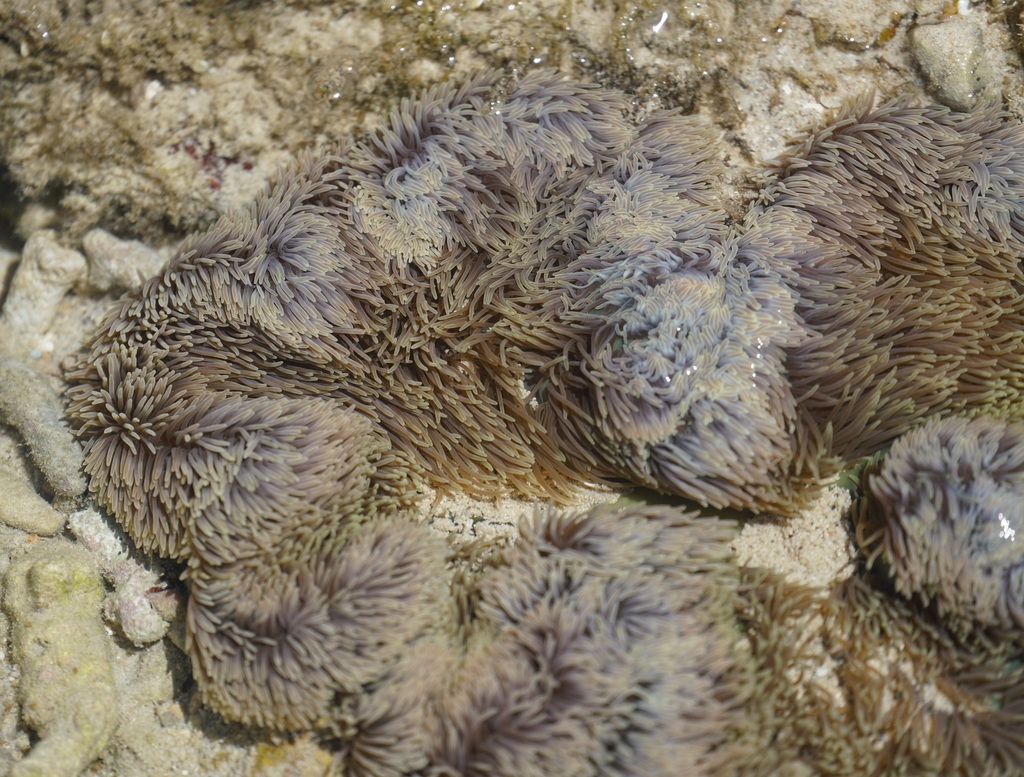 representative
Purple/pink carpet →
Disc shaded purple to pink, a striking natural variant.
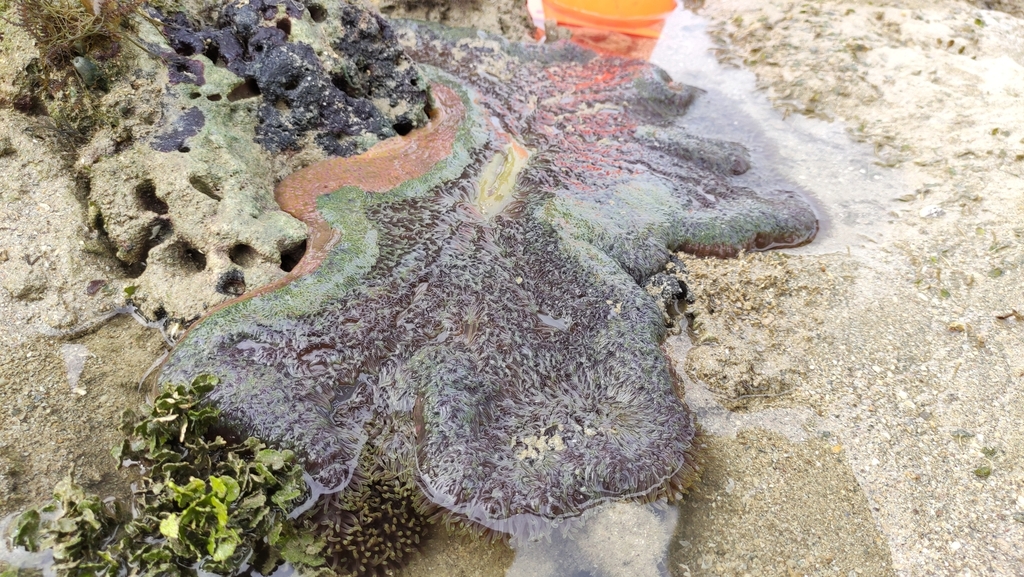 representative
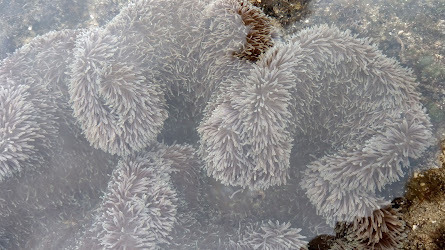
Green Carpet Anemone →
The giant carpet anemone *Stichodactyla gigantea* in a bright green to fluorescent-green form, with a broad flat disc densely packed with short, beaded adhesive tentacles that glow under blue light. This is the most frequently imported color of the species.
Tip: Give it a large, mature tank with intense light, strong flow and a deep sandbed at the base of the rockwork (gigantea is a rock-and-sand dweller that tucks its foot into a crevice near the substrate). Feed substantial meaty foods regularly. Its sticky sting is lethal to neighboring corals and it can wander, so guard powerheads and leave open space around it.
 representative
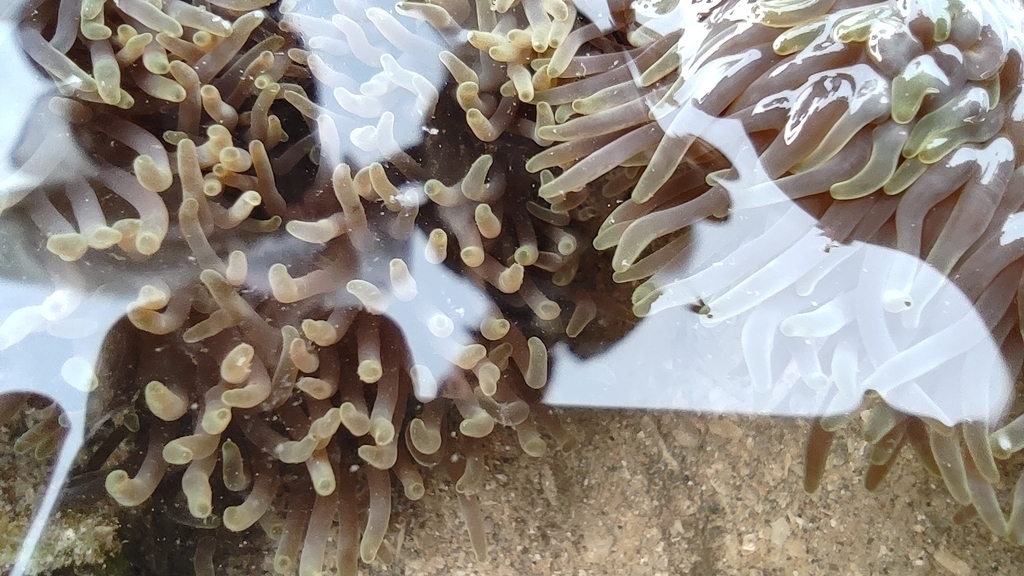
Purple/Blue Carpet Anemone →
A blue-to-purple disc morph, more eye-catching and pricier than green. Same gigantea care profile with the same risks.
Tip: Purple coloration requires intense PAR (200+) to hold; under weaker light it fades brown. Bag and ship it carefully — gigantea is far more fragile to deflation/shipping than haddoni carpets.
 representative
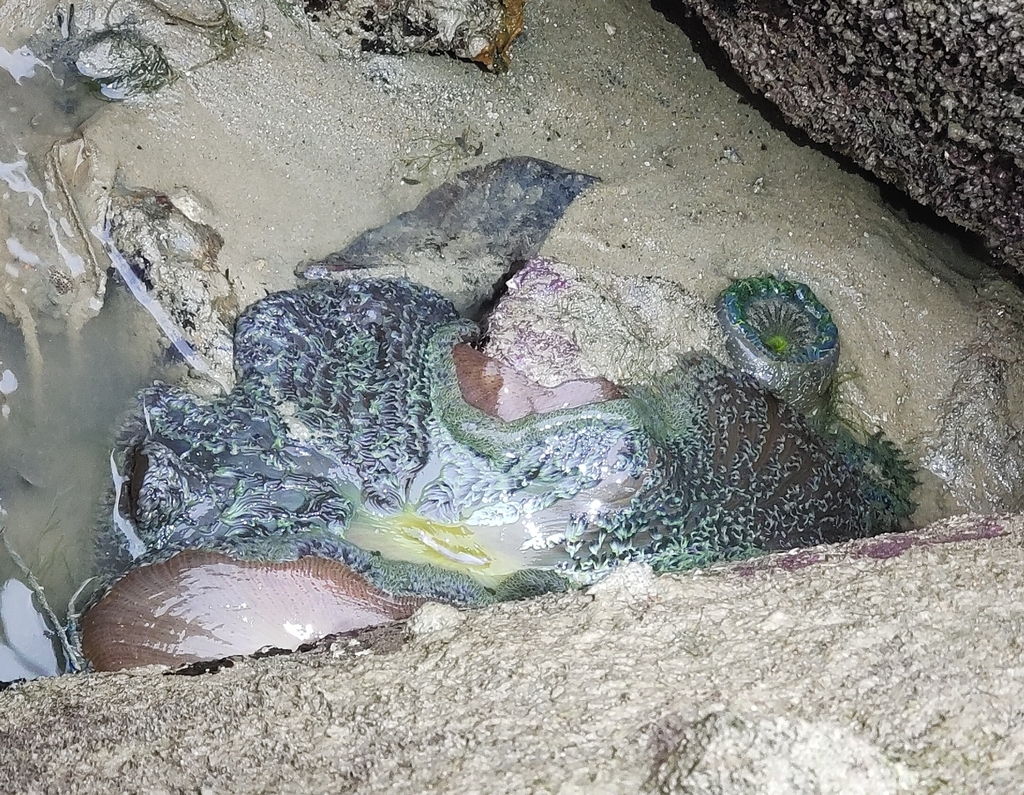
Red/Pink Carpet Anemone →
A striking red, pink or magenta disc form. Among the most expensive and least common carpet colors, and one of the harder anemones to keep alive long-term.
Tip: Wild red carpets have a poor survival record — buy only a fully attached, strongly sticky specimen and target-feed meaty foods, as starvation is a top killer of colored carpets.
 representative
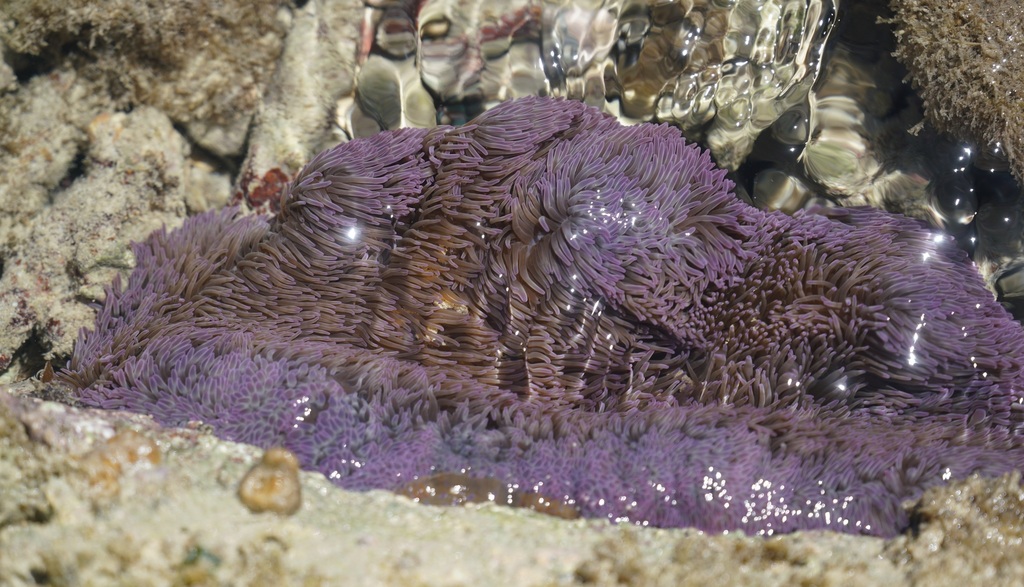
Rainbow / Sunburst Carpet Anemone →
A multicolor disc blending green, blue, purple and orange ('rainbow'/'sunburst'). The holy-grail carpet, fetching very high prices when available.
Tip: Only attempt in a rock-stable, high-end reef — these are a major investment with high mortality; provide metal-halide-level PAR and feed weekly to retain the multicolor disc.
 representative
Haddon's Carpet (S. haddoni) Green →
The sand-dwelling *Stichodactyla haddoni* sold as a carpet, with a more verrucae-covered disc. Generally considered hardier and less of a wanderer than gigantea.
Tip: Give it a deep sand bed (4+ inches) to anchor its foot in — unlike gigantea it wants to attach to glass/rock UNDER the sand, so don't place it on bare rock.
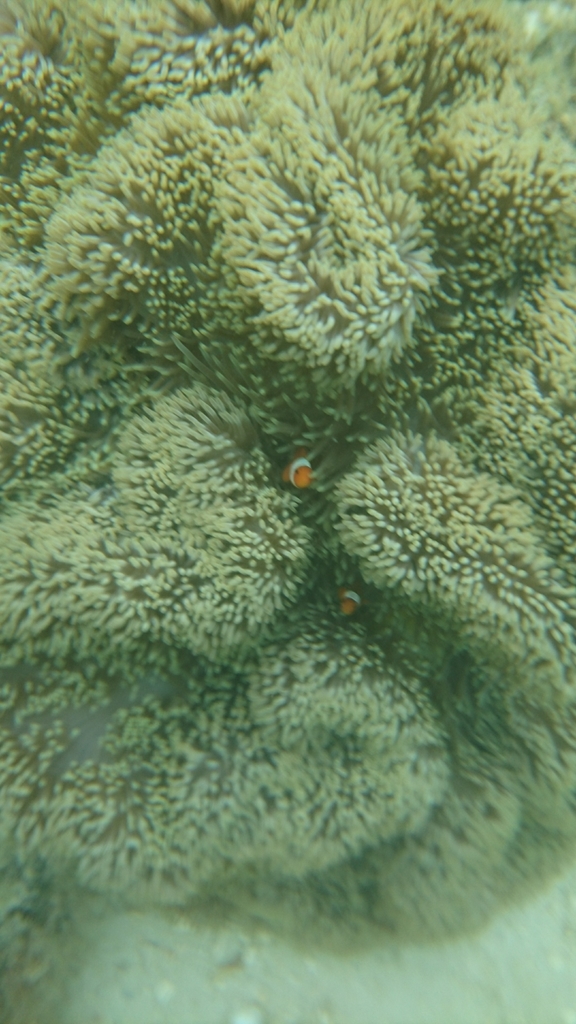 representative
Mini Maxi (Carpet) Anemone →
*Stichodactyla tapetum*, a tiny 2-3 inch carpet sold in green, rainbow and 'maxima' colors. The beginner-accessible carpet that stays small and is far hardier.
Tip: Great low-risk intro to carpets — keep on the rockwork (not deep sand), and note it splits readily, so give space; its sting is mild but it can still grab small shrimp.
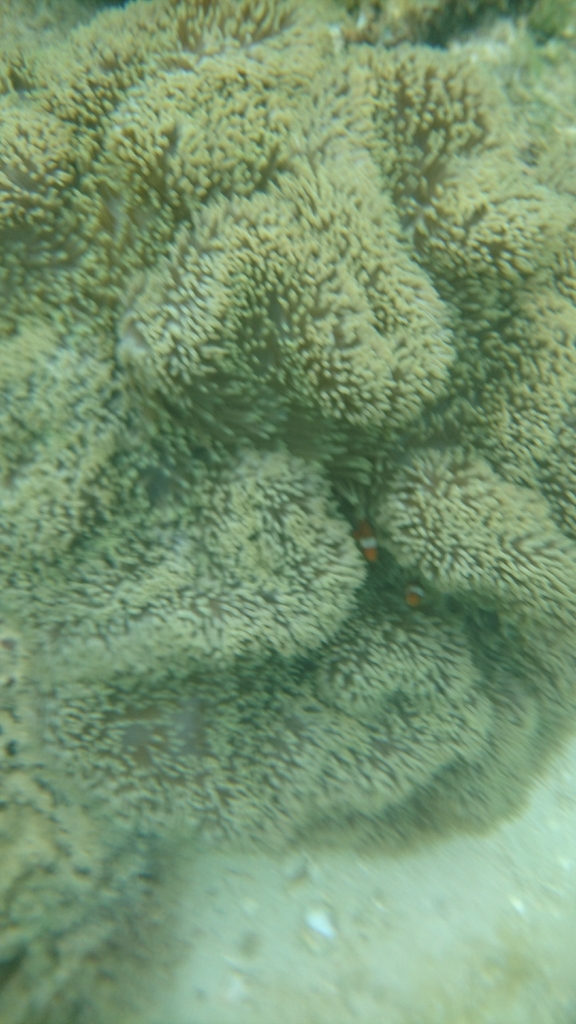 representative
Rainbow Carpet Anemone →
A multicolor gigantea showing two or more contrasting tones at once — typically a green or teal disc with purple, blue or pink tentacle tips, reading as a true 'rainbow' carpet under blue light.
Tip: Give it the most intense, stable lighting in the tank and absolutely secure pump guards; rainbows are usually large adult specimens and a wandering one can sting an entire reef, so place it where it cannot reach corals.
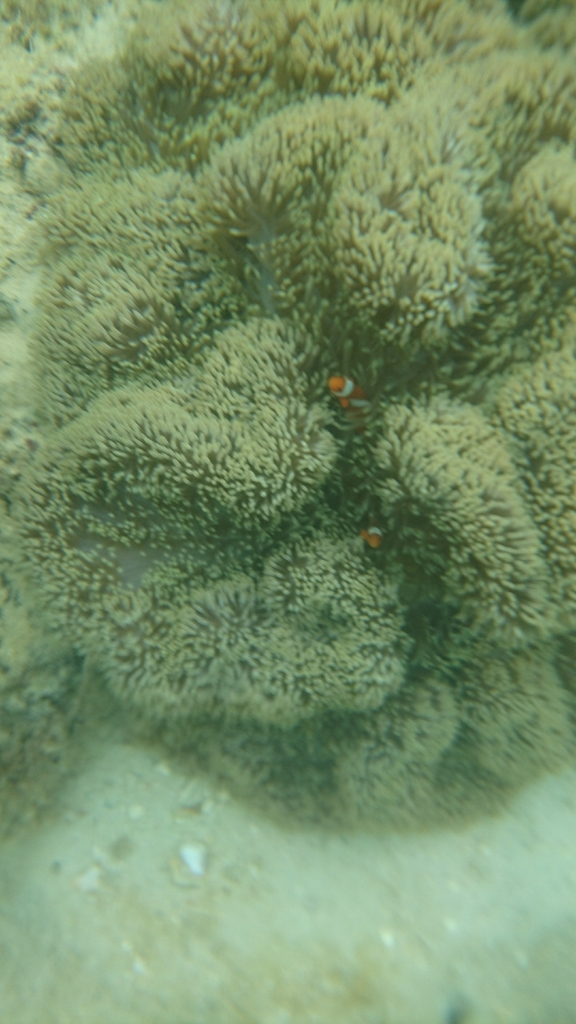 representative
Haddoni / Saddle Carpet Anemone (Stichodactyla haddoni) →
The related saddle carpet — a thick, deeply folded oral disc with shorter, beaded tentacles often in green, blue, purple or mottled 'saddle' patterning, sitting flat and broad on the sand.
Tip: Unlike gigantea it buries its foot deep in soft sand rather than anchoring to rock, so give it 4+ inches of sandbed and high light; its sting is potent and it readily eats fish, so choose tankmates carefully.
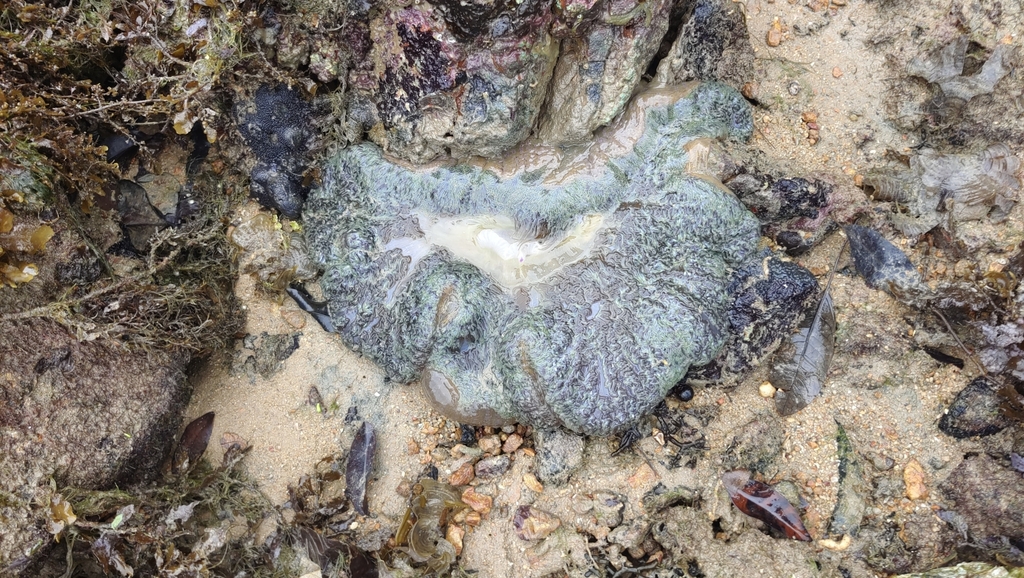 representative
Blue Carpet Anemone →
A giant carpet anemone (*Stichodactyla gigantea*) in an uncommon blue to deep blue-teal coloration across its short-tentacled disc. Blue is one of the scarcer wild color forms of the species.
Tip: Same demanding care as other giant carpets: intense light, moderate-to-strong flow, a deep sandbed for the foot near the rocks, and frequent meaty feedings. Keep it well away from corals because of its potent sting, and secure powerheads since it may relocate before settling.
 representative
Purple Carpet Anemone →
A giant carpet anemone (*Stichodactyla gigantea*) in a striking purple-to-magenta base color, one of the more sought-after wild color forms of the species.
Tip: Provide intense light, strong flow and a deep sandbed for the foot at the base of the rockwork, plus frequent meaty feeding. Never place it near corals given its potent, sticky sting.
 representative
Ultra Red Carpet Anemone →
A giant carpet anemone (*Stichodactyla gigantea*) with deep, vivid red coloration and short, velvety carpet-like tentacles across a wide flat disc. The 'Ultra Red' grade is among the most prized and expensive color forms of the species.
Tip: Demands a large, well-established tank with intense light and strong flow, plenty of meaty feedings, and a deep sandbed near the rockwork for its foot. These can wander and sting hard, so secure powerheads and give it plenty of space away from corals.