Condy anemone
Condylactis gigantea · also called Condylactis anemone, Haitian anemone, Pink-tipped anemone, Atlantic anemone, Giant Caribbean anemone

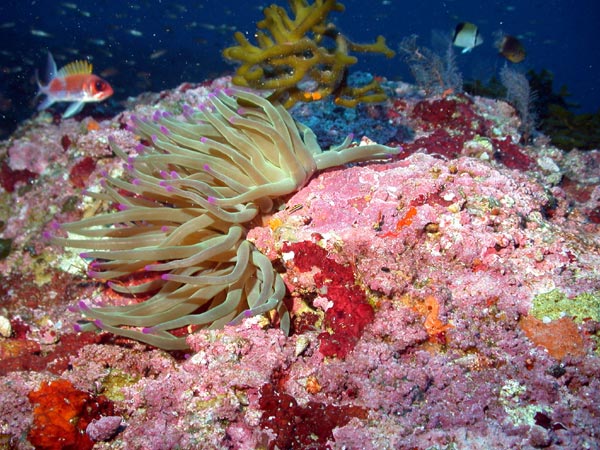
The condy anemone is a hardy, inexpensive Caribbean anemone with long, flowing tentacles—often tipped in pink, purple, or magenta—on a pale or colorful column. It is more forgiving than the Indo-Pacific host anemones and tolerates a range of conditions, but it is a notorious wanderer with a potent sting and a habit of catching fish and shrimp, so it suits a fish-light or species tank rather than a delicate reef. It does not reliably host clownfish.
🩺 Need expert help with your condy anemone?
Connect with a specialist near you or ask a licensed vet — never substitute online guidance for hands-on care in an emergency.
Quick facts
| Size | Oral disc commonly 6-12 in (15-30 cm); long tentacles often tipped pink, purple, or magenta. |
| Lifespan | 10–80 years |
| Social needs | solo |
| Native region | Caribbean |
| Origin | New World |
| Climate | 🌴 Tropical |
| Water type | 🌊 Marine |
| Family | Actiniidae |
| Genus | Condylactis |
Part of the Sea Anemones
Stinging, sessile cnidarians ranging from clownfish-hosting giants to nano-sized carpet species. Many are demanding, mobile, and can sting corals or be drawn into pumps — careful placement and rock-stable water are essential.
Habitat & space requirements
From the minimum an animal needs to be kept humanely, up to the ideal setup. Bigger is almost always better — minimums are floors, not targets.
Life & growth stages
How this animal changes through its life — each stage often has its own care, diet and space needs.
Color & pattern variants
Natural variants occur in the wild; selectively bred (man-made) variants were developed in captivity.
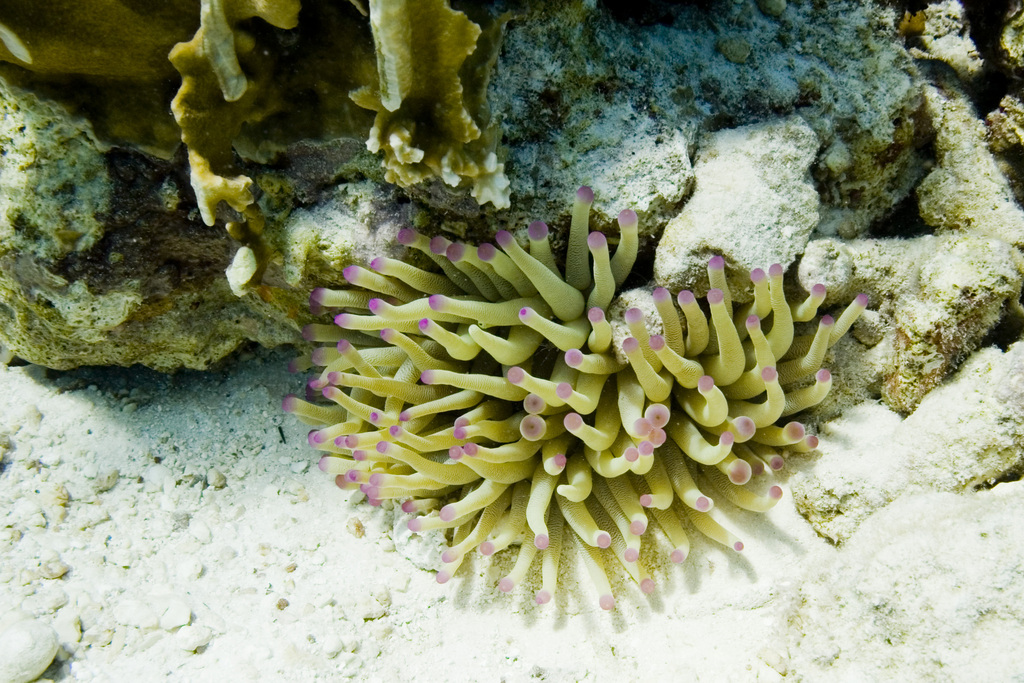 representative
Pink-tipped →
Pale tentacles tipped in bright pink or magenta, the classic and most common trade form.
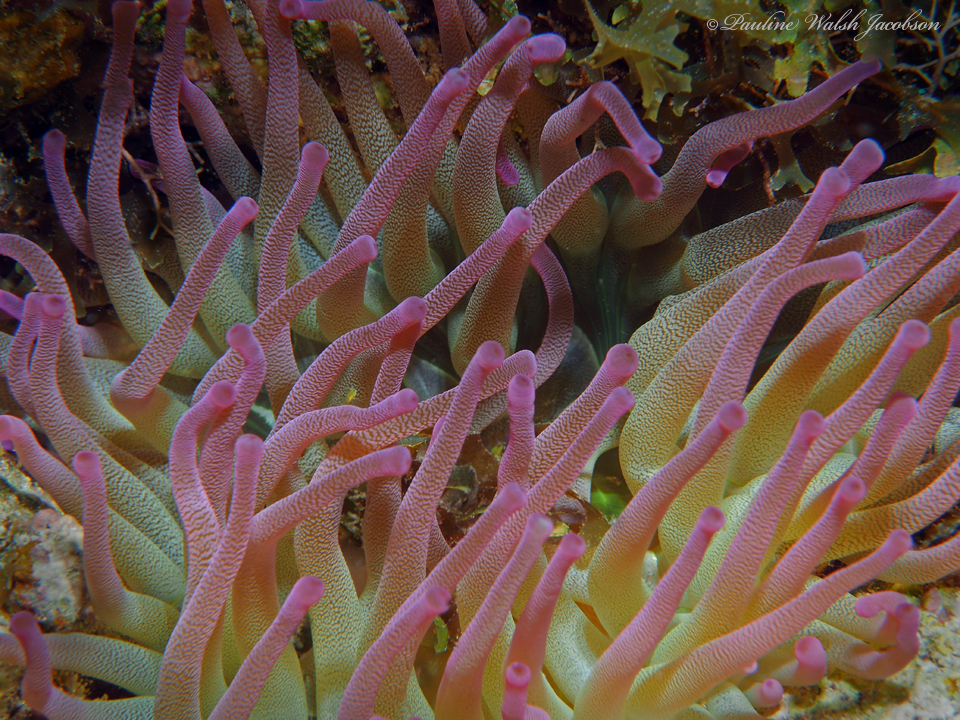 representative
Purple-tipped →
Tentacles tipped purple, a frequent natural color variant.
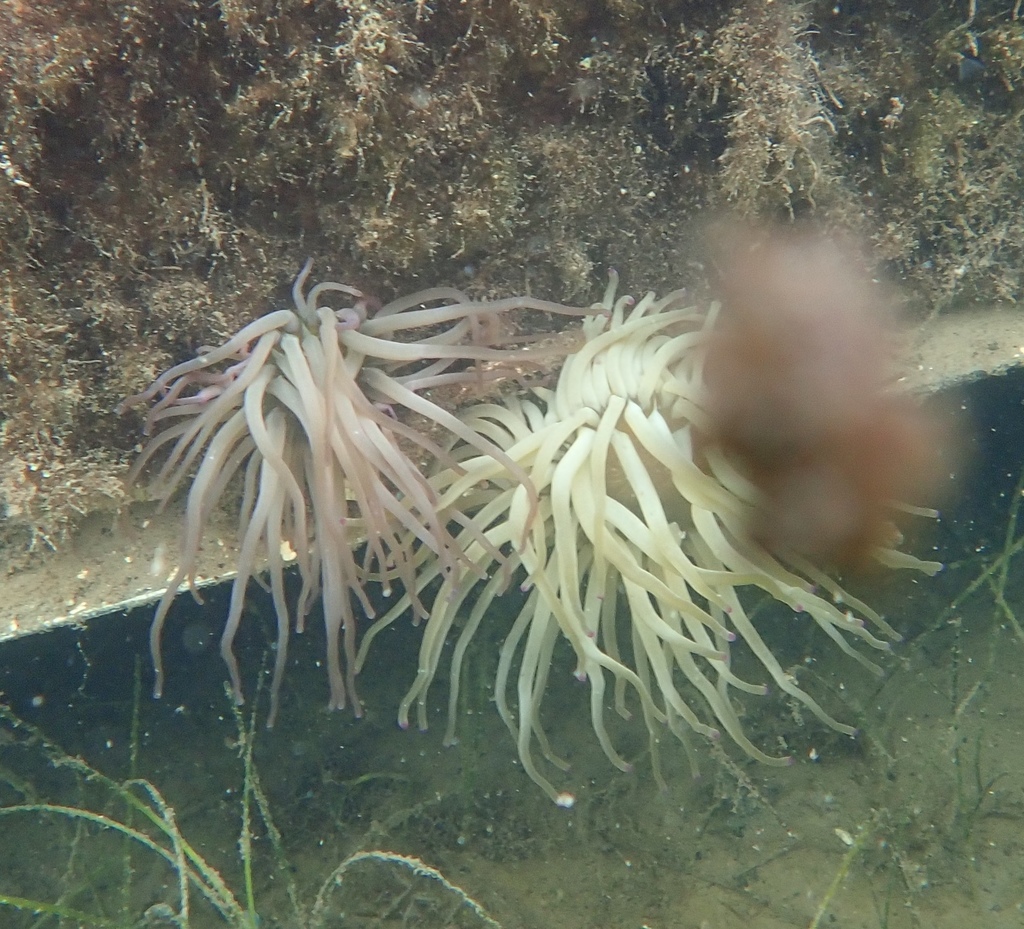 representative
Colored column forms →
Specimens with green, blue, or rosy columns and discs, reflecting natural variation across Caribbean populations.
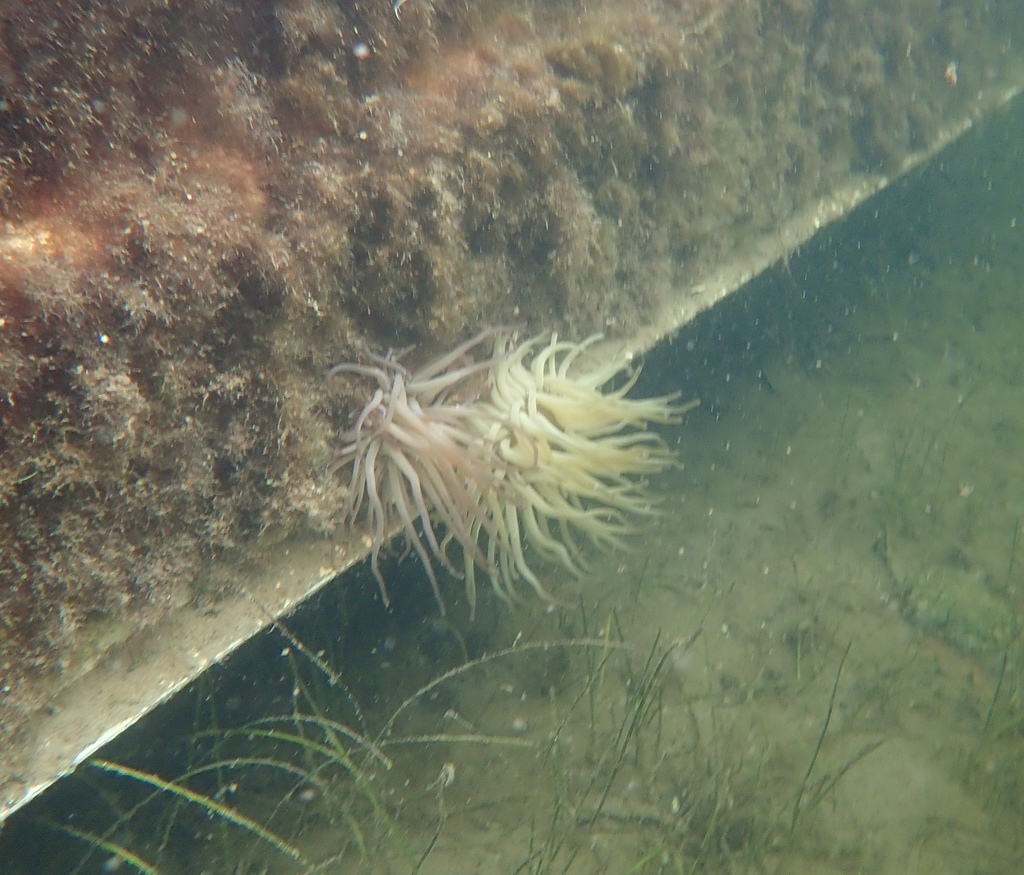 representative
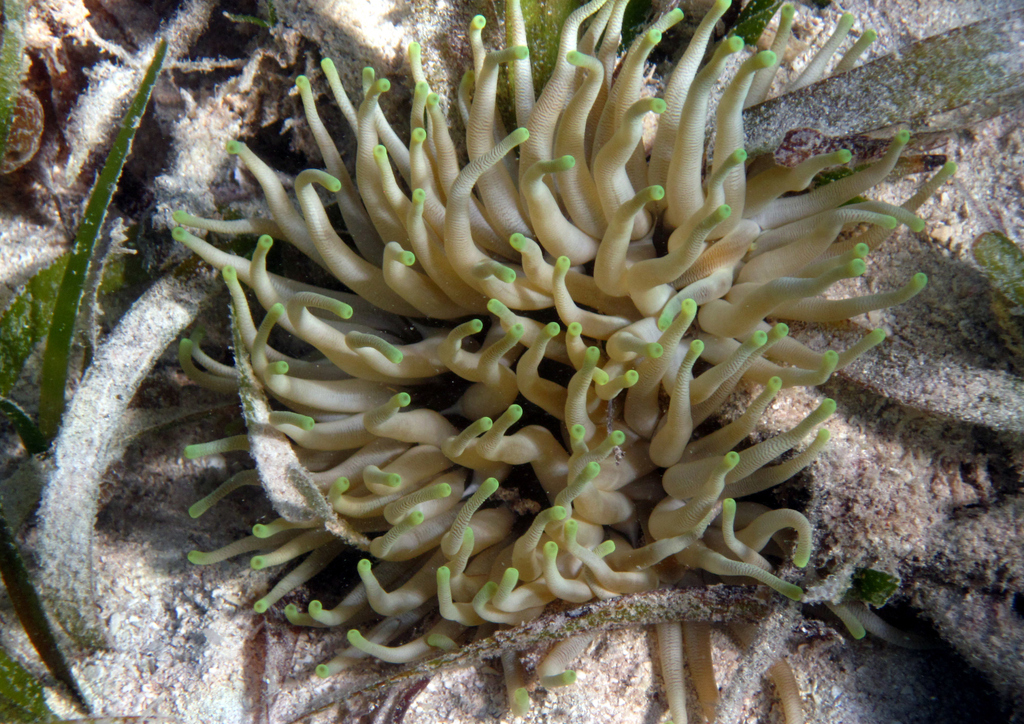
Pink-Tip Condy →
The classic Caribbean *Condylactis gigantea* with a tan/white column and long tentacles tipped in pink or magenta. The most common and inexpensive condy.
Tip: Condys are wanderers that do NOT reliably host clownfish — give a deep sand bed for the foot and guard all powerhead intakes, since roaming into a pump is the #1 killer.
 representative
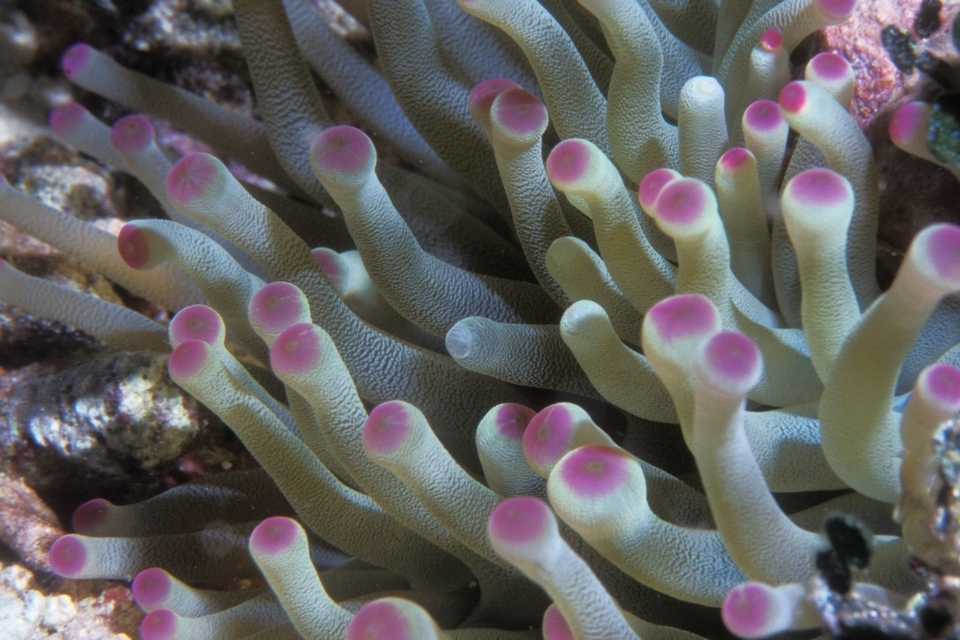
Purple-Tip Condy →
A color form with purple-to-lavender tentacle tips on a pale column. Just as widely available and similarly priced to the pink-tip.
Tip: Tip color is largely fixed pigment, not light-driven, so moderate PAR is fine — but feed chunky meaty foods (silverside/shrimp) every few days, as condys are heavy feeders.
 representative
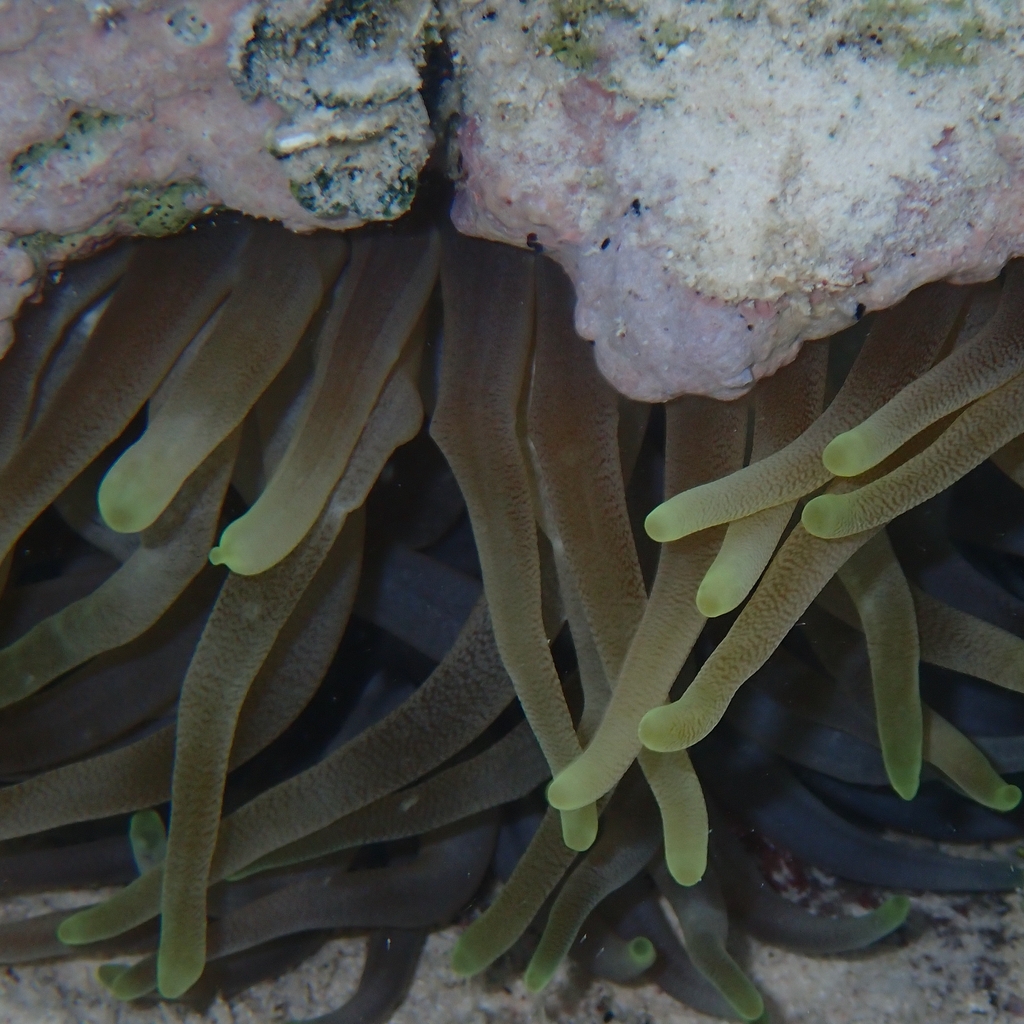
Green Condy →
A Condy with green-tinged oral disc and tentacle column, sometimes fluorescing under blue light, with tips ranging from clear to pale.
Tip: A little actinic/blue light helps the green pop; keep it well-fed with meaty foods since it relies less on light than many photosynthetic corals.
 representative
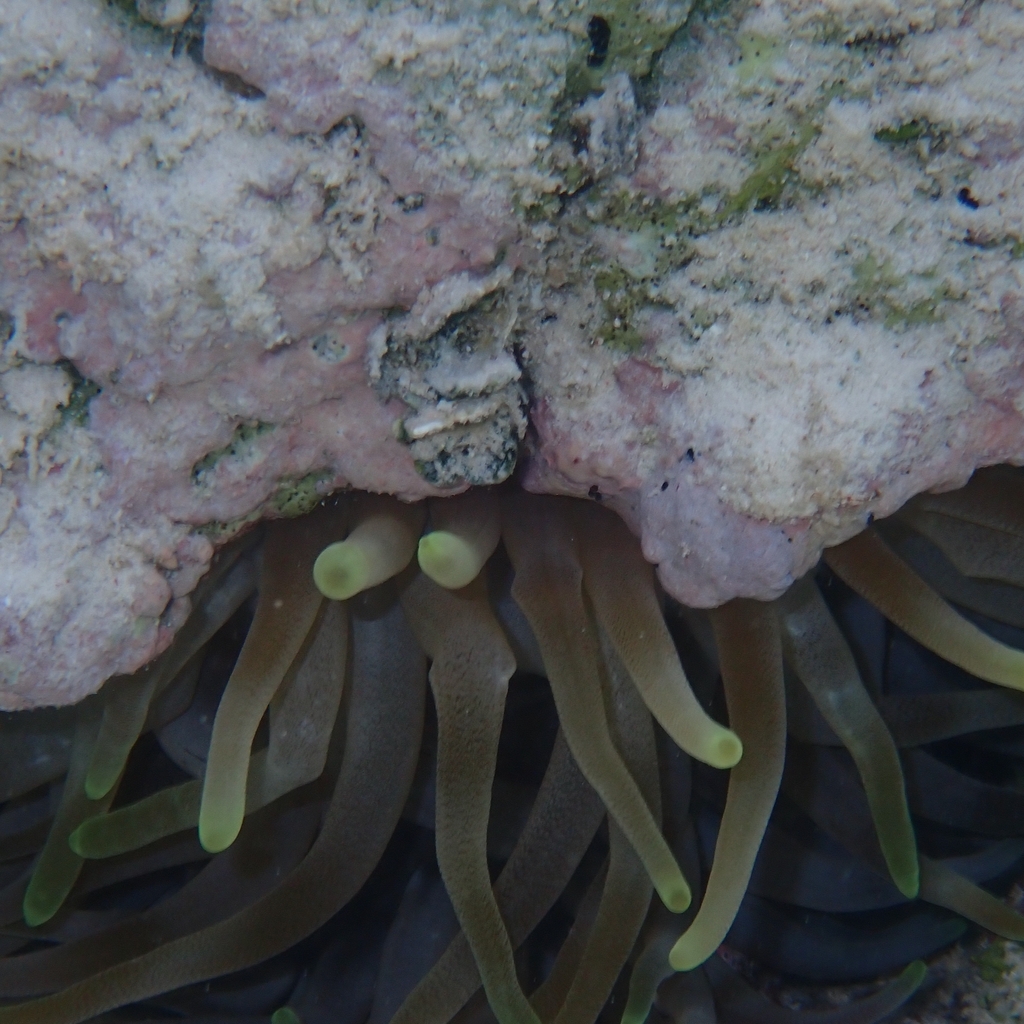
Orange/Sunset Condy →
A warm orange-to-sunset hued morph with colorful tentacle tips. A more collectible Caribbean condy colorway.
Tip: Warm tones hold best with regular meaty feeding rather than high light; this is a non-photosynthetic-leaning feeder, so target-feed and don't rely on light alone.
 representative
Haitian Reef (Pink Tip) Condy →
The Haitian-collected pink-tip condy, the bread-and-butter wild import sold cheaply at most LFS. Hardy but a known clownfish-hosting disappointment.
Tip: Acclimate slowly and inspect the foot for tears before buying — a damaged pedal disc on a wild-collected condy often leads to a slow decline no feeding can fix.
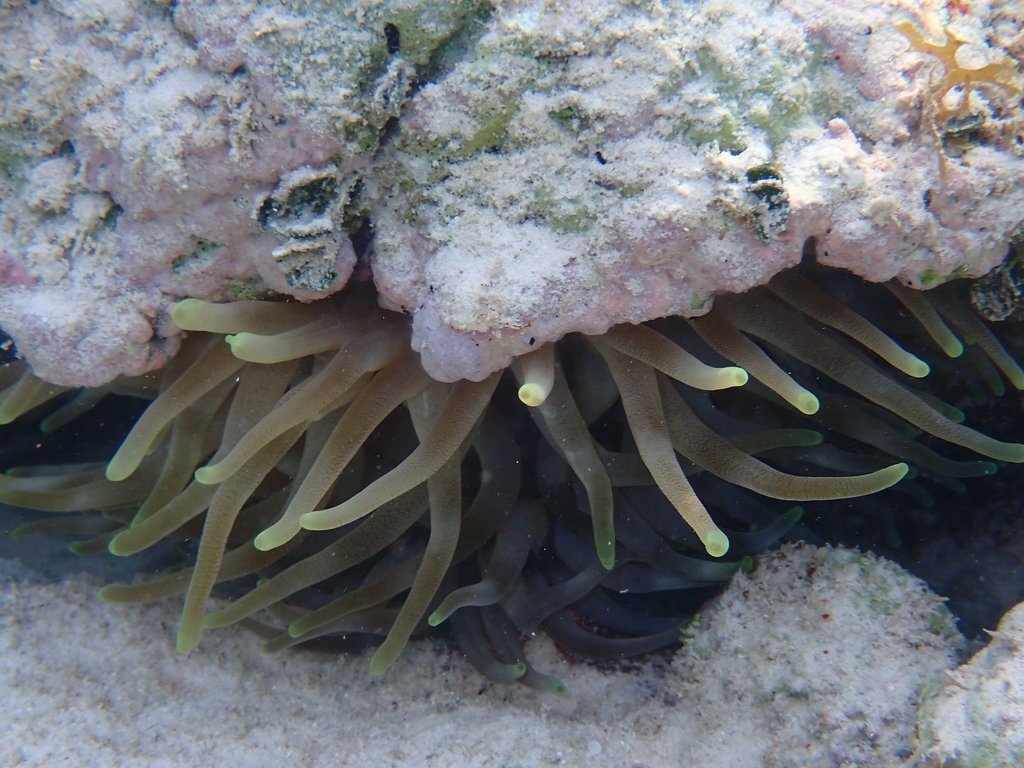 representative
Rainbow / Multicolor Condy →
An uncommon multicolor specimen blending green body with pink, purple and orange tips. The premium end of an otherwise budget species.
Tip: Worth target-feeding heavily to keep its size and color, but still cage your powerheads — even a pricey rainbow condy will wander into a pump and be destroyed overnight.
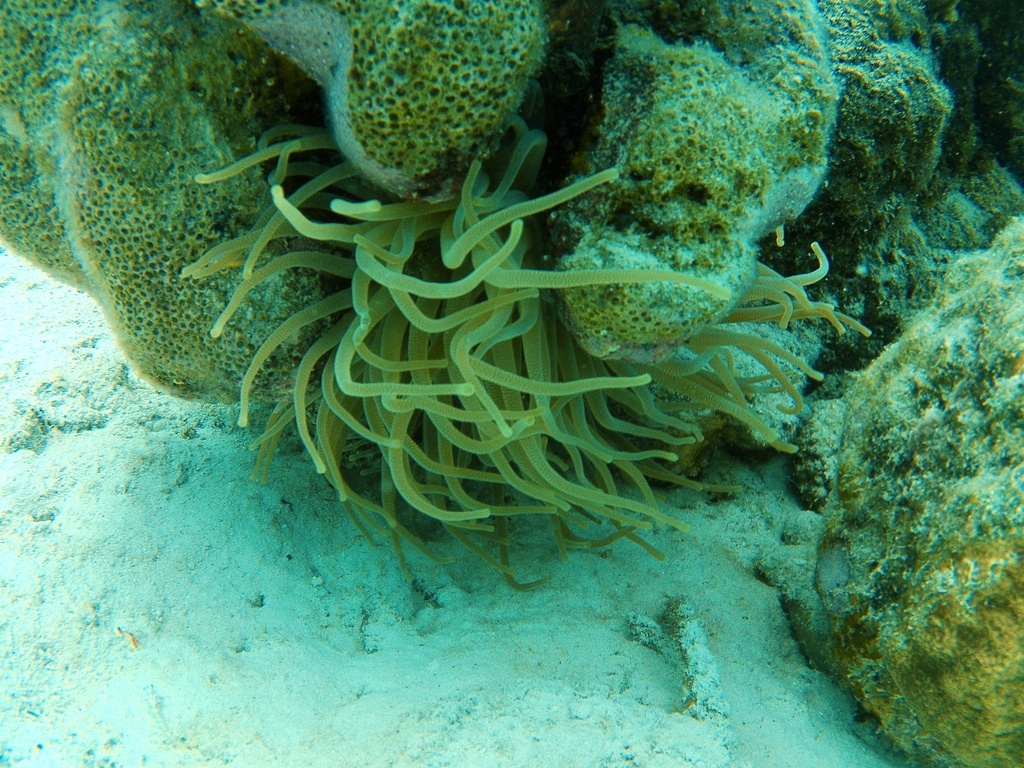 representative
Haitian Reef Anemone (Condy) →
The trade-name catch-all for imported Condylactis sold out of Haiti, typically tan with white-to-pink banded tips and a sometimes-colorful column.
Tip: Quarantine and acclimate slowly — Haitian imports can arrive stressed; place on sand near rock so it can attach its foot in a crevice.
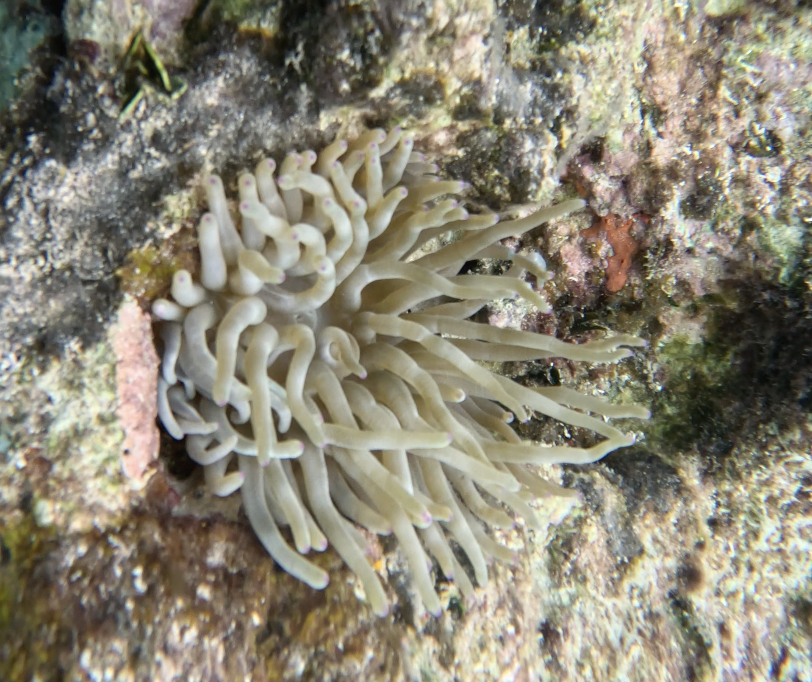 representative
Pink Tip Condy (Pink Tip Haitian) →
The classic and most widely sold Condy: a tan, white or pale-grey column with long, flowing tentacles that taper to bright **pink** or magenta tips.
Tip: Give it a deep open sand bed or a rock crevice and moderate flow; it will wander until it finds a foothold it likes, so leave space and keep powerheads guarded. Feed chunky meaty foods weekly — it relies on feeding as much as light. It stings and roams, so do not place it near corals or other anemones.
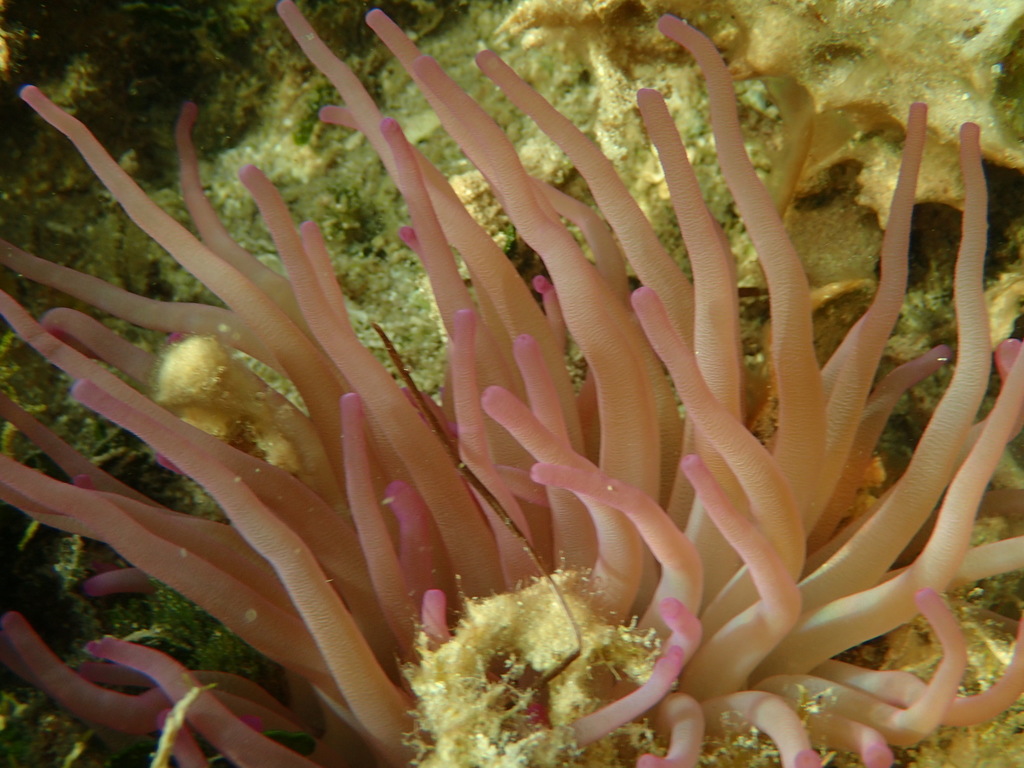 representative
Purple Tip Condy (Purple Tip Haitian) →
A pale column with tentacles ending in saturated **purple** or violet tips — one of the most common Condy color forms, sold right alongside the pink tip.
Tip: Provide moderate to bright light (T5/LED, mid-tank) to help the purple tips hold color, and feed chunky meaty foods weekly since it depends heavily on feeding, not just photosynthesis. Anchor it where it can tuck its foot, and keep it clear of corals and other anemones.
 representative
Green Condy (Atlantic Green) →
A Condy with an overall pale-green to neon-green cast through the disc and tentacles, sometimes with lighter tips; valued for fluorescing under blue light.
Tip: Place under stronger blue-spectrum light to bring out the green, and feed regularly — greener specimens tend to be hungrier and pale out if underfed or under-lit. Same wandering and stinging cautions as other Condys apply.
 representative
White Tip Condy (White Tip Haitian) →
A Condy whose long tentacles end in clean white or near-translucent tips rather than pink or purple, giving a frosted look.
Tip: Same care as other Condys: a stable mature tank, moderate flow and a sand or rock anchor point. Do not place it near corals or other anemones, as Condys sting and wander aggressively, and keep powerheads guarded.
 representative
Purple Condy (Purple Base / Atlantic Purple) →
A more heavily pigmented form where the column and/or oral disc carries an overall purple wash, not just purple tips.
Tip: Anchor it in rockwork with the foot tucked into a crevice; a buried, protected foot reduces wandering and helps the column keep its richer color. Feed weekly and keep it away from corals and other anemones.