Stylophora (cat's paw / club finger)
Stylophora pistillata · also called Cat's paw coral, Club finger coral, Stylo

Photo: ALLEMAND D · CC BY-SA 4.0
Stylophora is a hardy, fast-growing small-polyp stony coral with chunky blunt-tipped branches in pink, green and purple — often recommended as a 'starter SPS' that tolerates a wider range of conditions than Acropora. It rewards good light and flow with rapid encrusting growth, making it an ideal intermediate stepping-stone into SPS keeping.
🩺 Need expert help with your stylophora (cat's paw / club finger)?
Connect with a specialist near you or ask a licensed vet — never substitute online guidance for hands-on care in an emergency.
Quick facts
| Size | Thick, blunt-tipped branching colony; frags start ~2-5 cm and mature colonies reach 10-25 cm across, with stubby 'club' or 'cat's paw' branches. |
| Lifespan | 5–50 years |
| Social needs | solo |
| Native region | Indo-Pacific and Red Sea |
| Origin | Old World |
| Climate | 🌴 Tropical |
| Water type | 🌊 Marine |
| Family | Pocilloporidae |
| Genus | Stylophora |
Part of the SPS Corals
Small-polyp stony corals — fast-growing branching corals demanding strong light & flow.
Habitat & space requirements
From the minimum an animal needs to be kept humanely, up to the ideal setup. Bigger is almost always better — minimums are floors, not targets.
Life & growth stages
How this animal changes through its life — each stage often has its own care, diet and space needs.
Color & pattern variants
Natural variants occur in the wild; selectively bred (man-made) variants were developed in captivity.
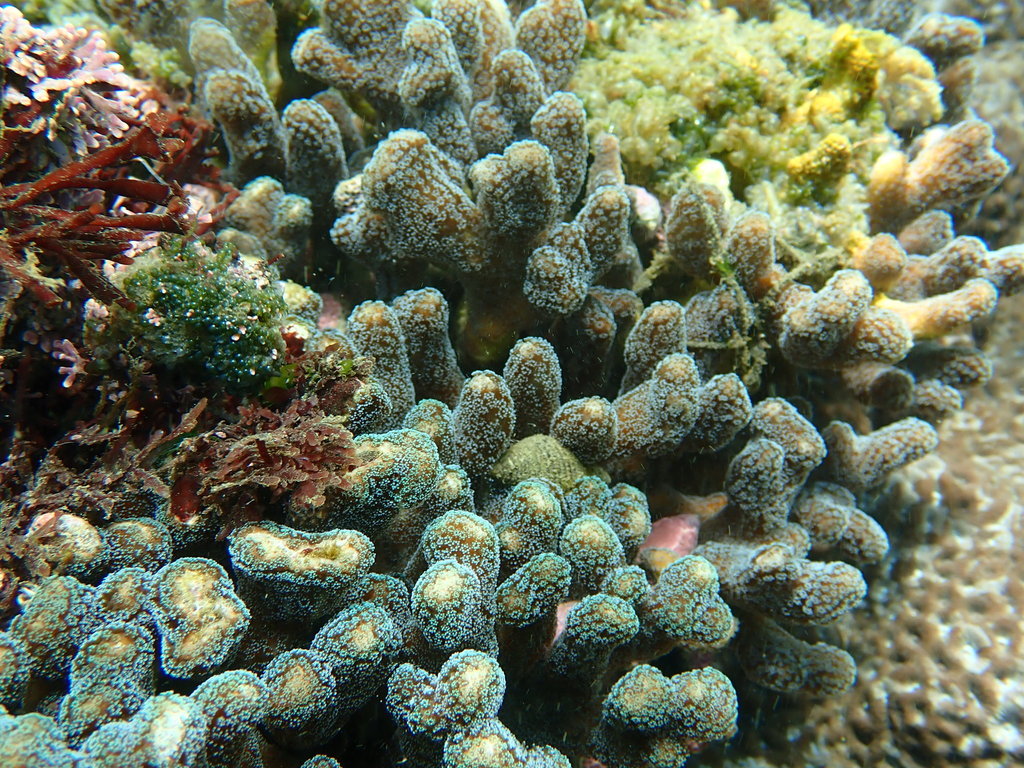 representative
Pink / Purple Stylophora
The classic wild colour form with soft pink to purple branches and contrasting polyps — the most widely traded morph.
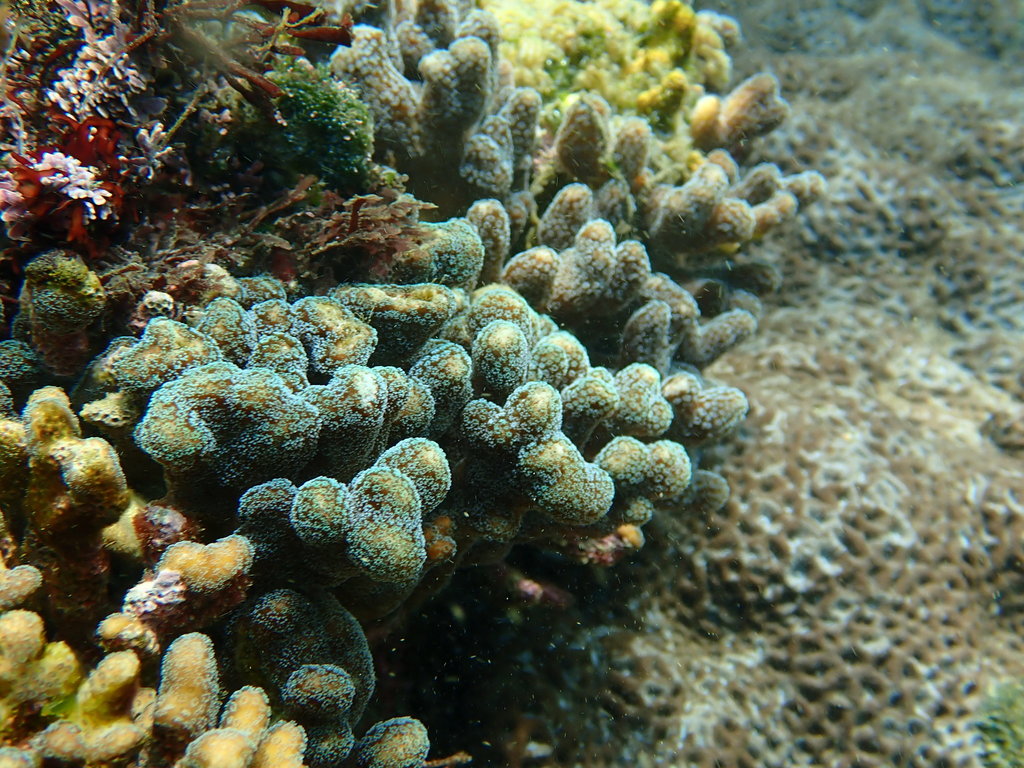 representative
Green / Neon Stylophora
Green to neon-green colonies, sometimes with blue tips, collected and propagated for their fluorescent colour under blue light.
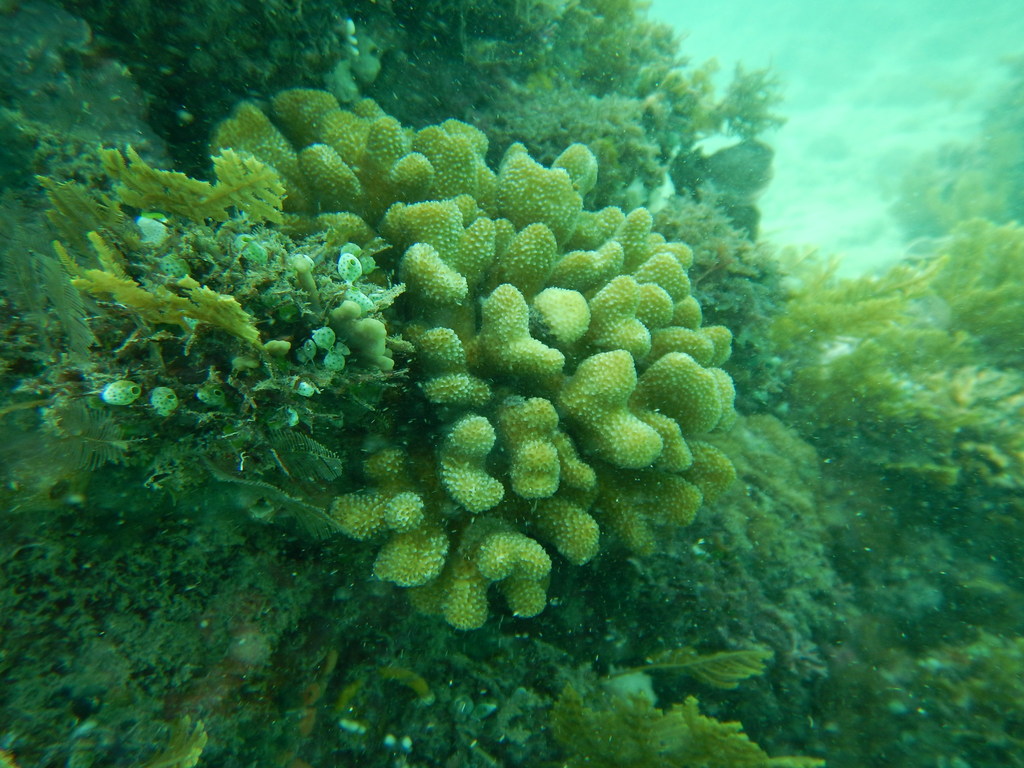 representative
Tyree Rainbow Stylophora →
A deep violet-to-pink base that radiates into reds, yellows and greens, overlaid with soft baby-blue polyps — the most coveted multicolor Stylophora in the hobby.
Tip: Place mid-to-upper tank under moderate-to-high light; the rainbow pigments deepen with strong light but the coral browns out if blasted, so raise intensity slowly. Provide brisk, turbulent flow to keep the dense branch cluster clean.
 representative
Steve Garrett's Stylophora →
A purple-to-pink base coral covered in contrasting green polyps, giving a two-tone bush look that reads as a green stylo with purple growth tips once polyps fill in.
Tip: Medium-high light with strong, turbulent flow brings out the green polyps against the purple base; keep flow moving through the branch cluster.
 representative
Neon Green Stylophora →
A cream-to-tan base with bright neon-green polyps; fast-growing and hardy by SPS standards.
Tip: Tolerates many lighting setups but colors best under medium-to-high light; provide brisk flow to reach the center of the bush as the colony grows.
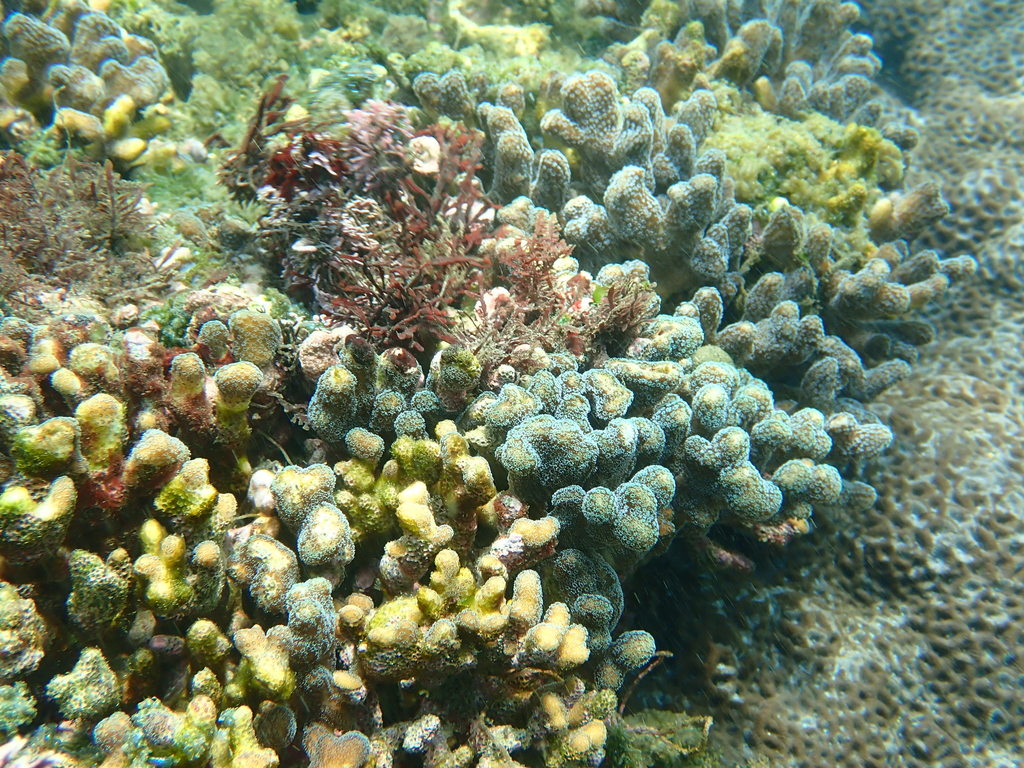 representative
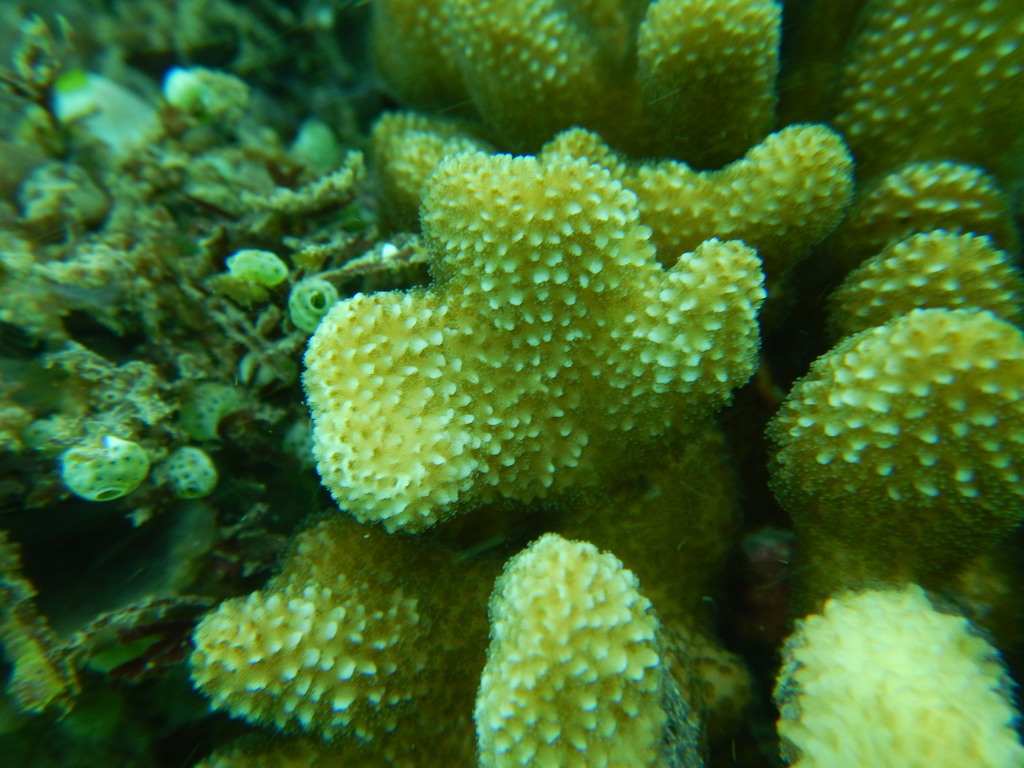
Milka / designer Stylo
Aquacultured line-bred selections (e.g. 'Milka', 'German Blue') chosen and frag-propagated for intense pastel pink-purple coloration.
 representative
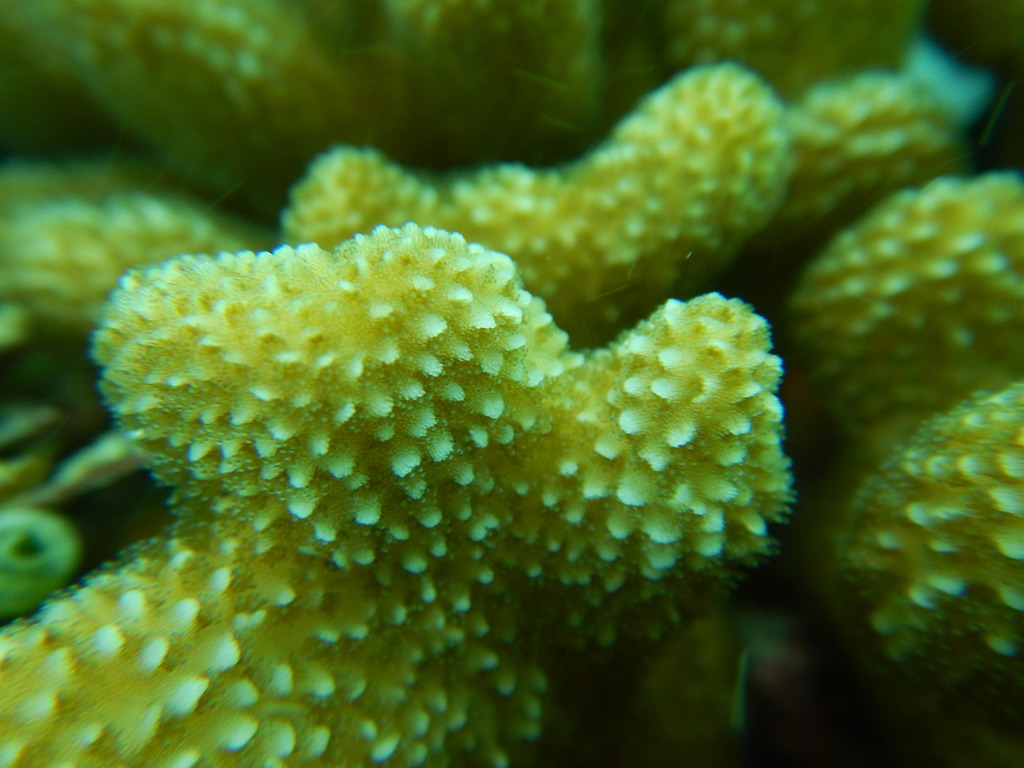
ORA Stellar Stylophora →
A highly variable base ranging from pink to intense red with hints of purple, fuchsia and peach, always shimmering with electric-blue polyps over stout, densely clustered branches.
Tip: Best kept at middle-to-top tank level under moderate-to-high lighting with moderate-to-strong flow to keep the dense branch clusters clean; acclimate slowly to brighter light.
 representative
ORA Pink Stylophora →
An intensely pink, compact coral with small, subtle light-pink polyps; coloration shifts from dark pink in shade to vivid magenta under stronger light.
Tip: Give it medium-high light to push the magenta tones — it stays dark pink and dull if placed too low or too shaded; moderate flow suits its short, bulbous branches. Acclimate to brighter light gradually.
 representative
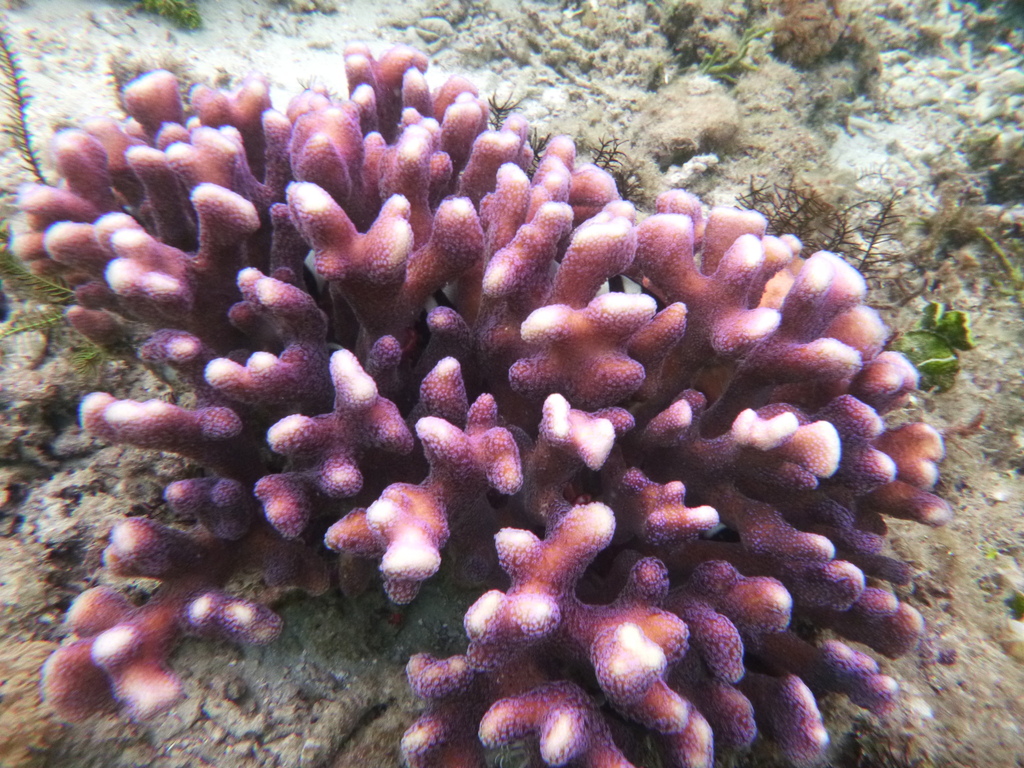
ORA Green Stylophora →
An electric neon-green to teal strain with conspicuous polyps on thick, compact branches, holding bright color across a range of lighting.
Tip: Tolerant of many lighting setups but colors well under medium-to-high light; provide moderate-to-strong flow to keep the branch cluster clean. One of the hardier, faster-growing named SPS.
 representative
ORA Purple Stylophora →
A thinner, more open-branching variety with a tan-to-pink base, intense purple-to-blue polyps and pale white-to-cream branch tips; grows full and bushy with strong polyp extension.
Tip: Keep at middle-to-top tank level under medium-high light with moderate-to-strong flow; a fast grower that fills out quickly when conditions are stable.
 representative
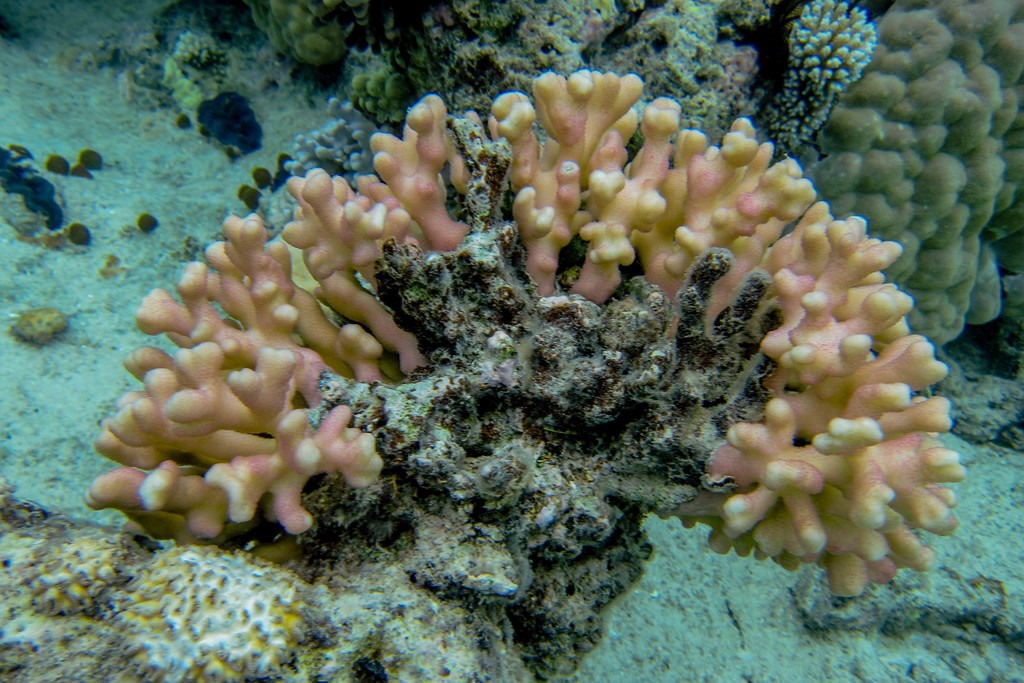
ORA Rainbow Stylophora →
A multicolor aquacultured strain showing a mix of pink, green and purple over dense, branching growth — an accessible, hardier take on the multicolor Stylophora look.
Tip: Adapts to a range of lighting and flow, but medium-to-high light with moderate-to-strong flow brings out the best coloration; keep alkalinity, calcium and magnesium stable for healthy growth.
 representative
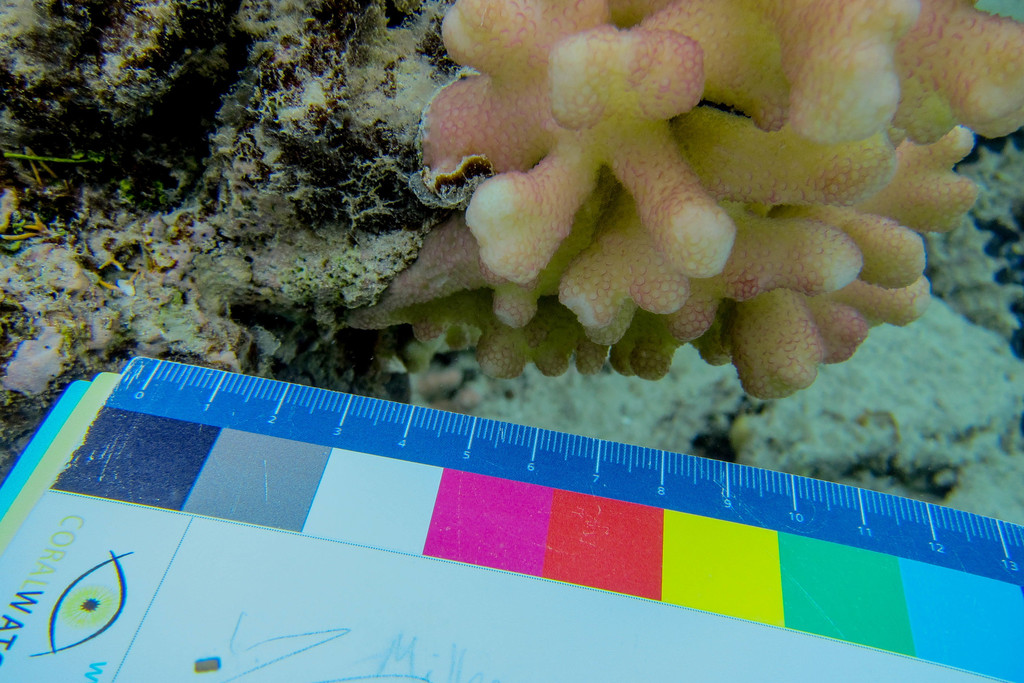
Stylophora Milka →
A purple-bodied Stylophora with white-to-silver growth tips and silvery-blue polyps, named for the purple-and-white color scheme of the Milka chocolate brand.
Tip: Needs strong, turbulent flow through its compact, rounded branch bush to keep the inner branches clean; medium-high light maintains the purple body and white tips.
 representative
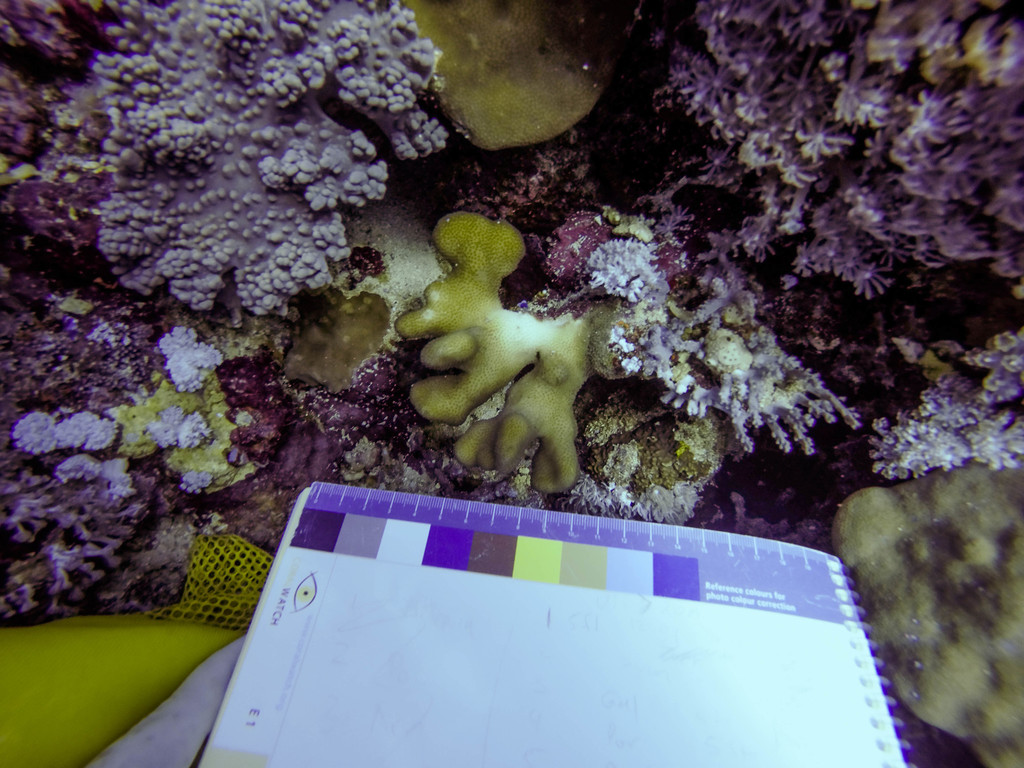
Jason Fox Bug Out Stylophora →
Thick branches with a neon-green base and a mix of blue and purple polyps — an unusual multicolor combination for the genus.
Tip: Prefers medium lighting with high water flow; the high flow keeps the thick branch clusters clean and helps hold the blue/purple polyp color.
 representative
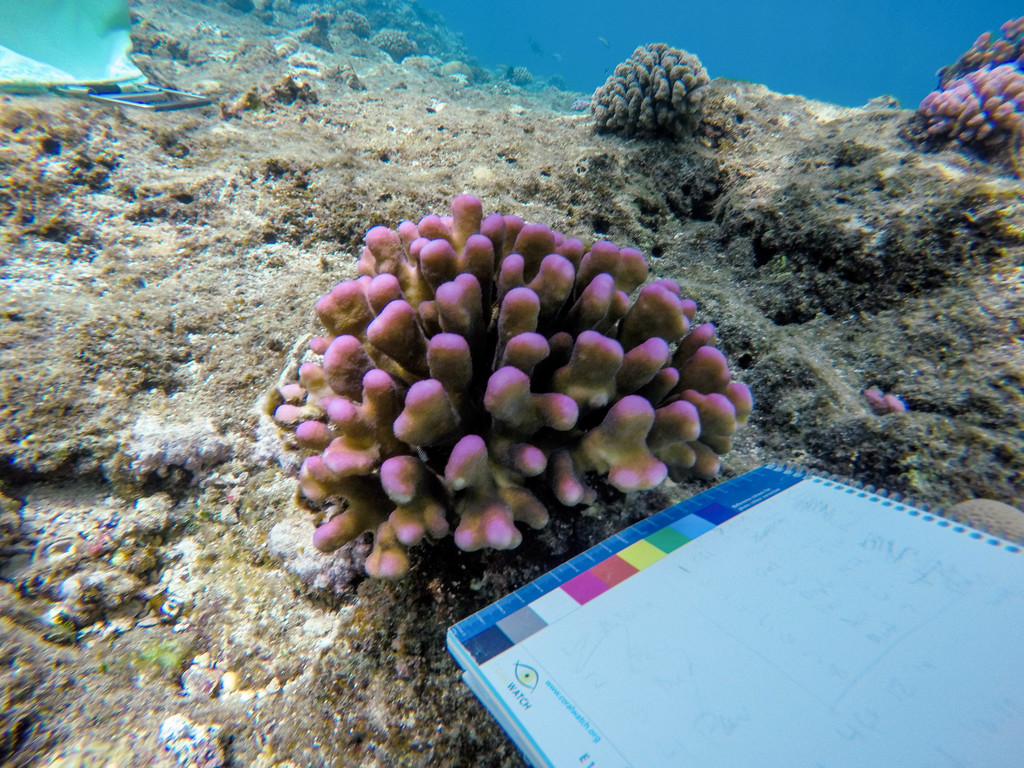
Jason Fox Project X Stylophora →
A super-neon yellow-green coral on a bright orange/yellow base, accented with light-blue tentacles; with dense polyps it can read as a green stylo with yellow growth tips.
Tip: Wants high light and high flow to hold the electric yellow-green; a mature, stable tank is recommended before fragging or propagating it.
 representative
WWC Green Goblin Stylophora →
A green-toned World Wide Corals house Stylophora released as small named frags, part of their in-house aquacultured Stylophora lineup.
Tip: Give it medium-high light and strong flow like other Stylophora; the dense branch growth needs turbulent water to stay detritus-free.
 representative
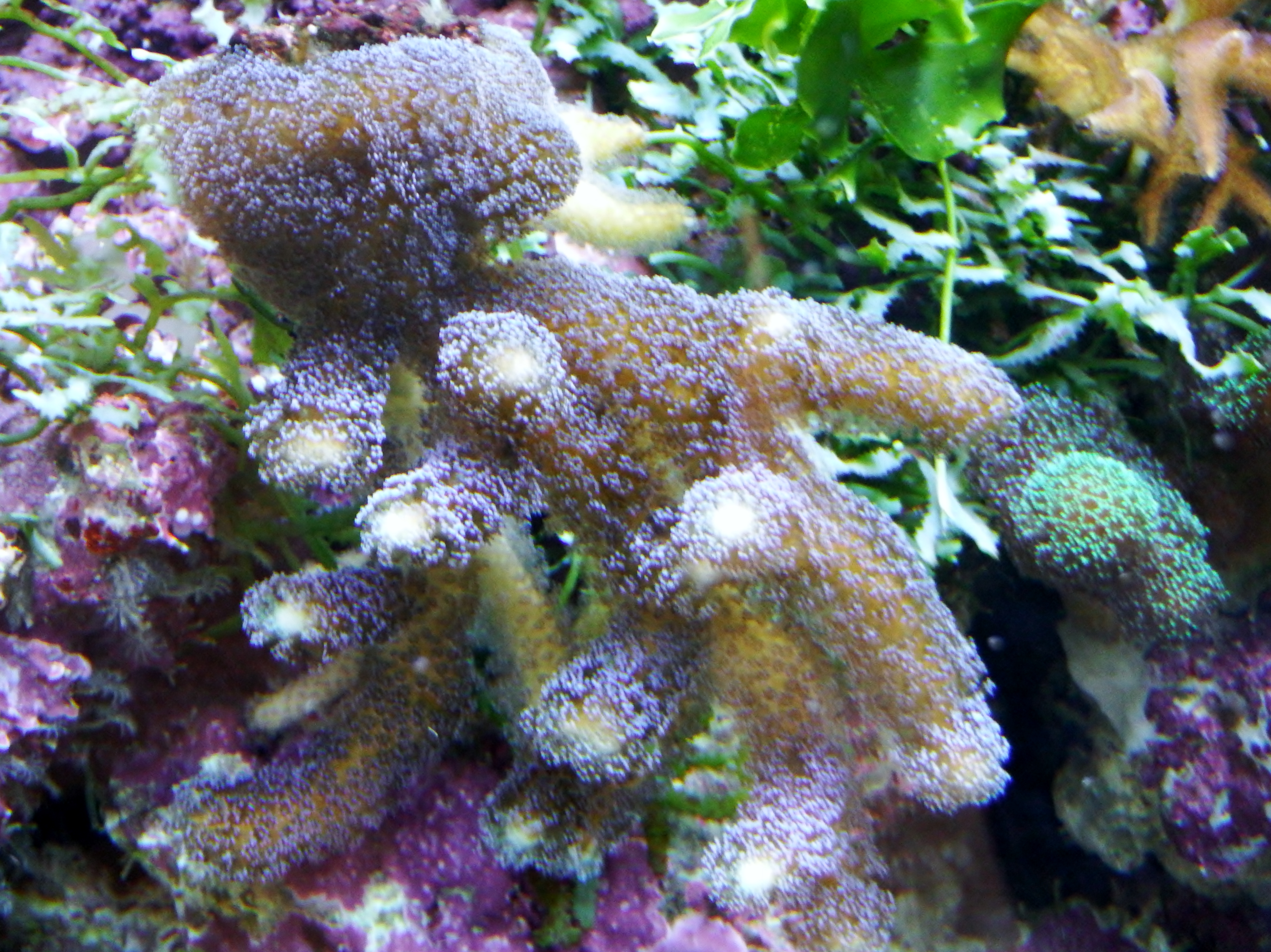
WWC Mint Green Stylophora →
A soft mint-green colored Stylophora carried as a named WWC house piece in their Stylophora collection.
Tip: Medium-high light with strong, turbulent flow holds the mint coloration and keeps the inner branches clean.