Pavona (cactus / potato chip coral)
Pavona cactus · also called Cactus coral, Potato chip coral, Lettuce coral, Pavona

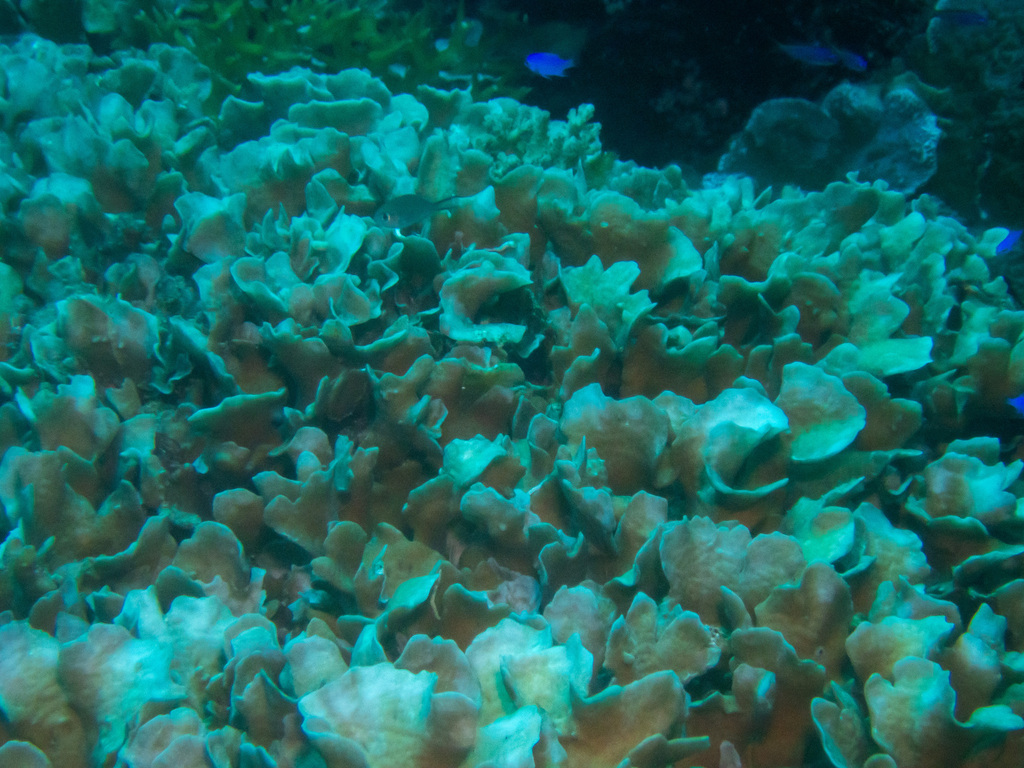
Pavona is a hardy small-polyp stony coral that grows in thin upright contorted plates resembling potato chips or cactus pads, usually in green, tan or brown. It is one of the more forgiving and adaptable SPS corals, tolerating a wide range of light and flow, making it a great intermediate choice — and a common first step into SPS keeping.
🩺 Need expert help with your pavona (cactus / potato chip coral)?
Connect with a specialist near you or ask a licensed vet — never substitute online guidance for hands-on care in an emergency.
Quick facts
| Size | Thin, upright contorted plates/fronds (the 'potato chips'); frags start ~2-5 cm and colonies form clusters 10-30 cm tall, encrusting then plating. |
| Lifespan | 5–50 years |
| Social needs | solo |
| Native region | Indo-Pacific |
| Origin | Old World |
| Climate | 🌴 Tropical |
| Water type | 🌊 Marine |
| Family | Agariciidae |
| Genus | Pavona |
Part of the SPS Corals
Small-polyp stony corals — fast-growing branching corals demanding strong light & flow.
Habitat & space requirements
From the minimum an animal needs to be kept humanely, up to the ideal setup. Bigger is almost always better — minimums are floors, not targets.
Life & growth stages
How this animal changes through its life — each stage often has its own care, diet and space needs.
Color & pattern variants
Natural variants occur in the wild; selectively bred (man-made) variants were developed in captivity.
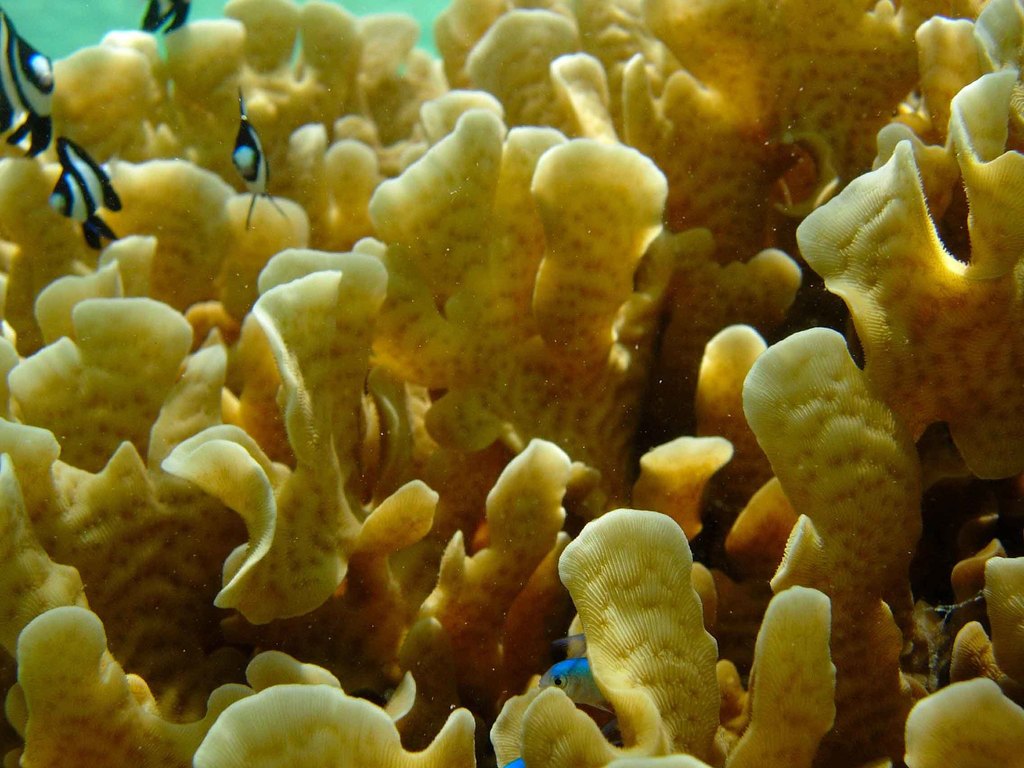 representative
Green Cactus Pavona
The classic 'potato chip' form with green fluorescent contorted plates — the most commonly traded morph.
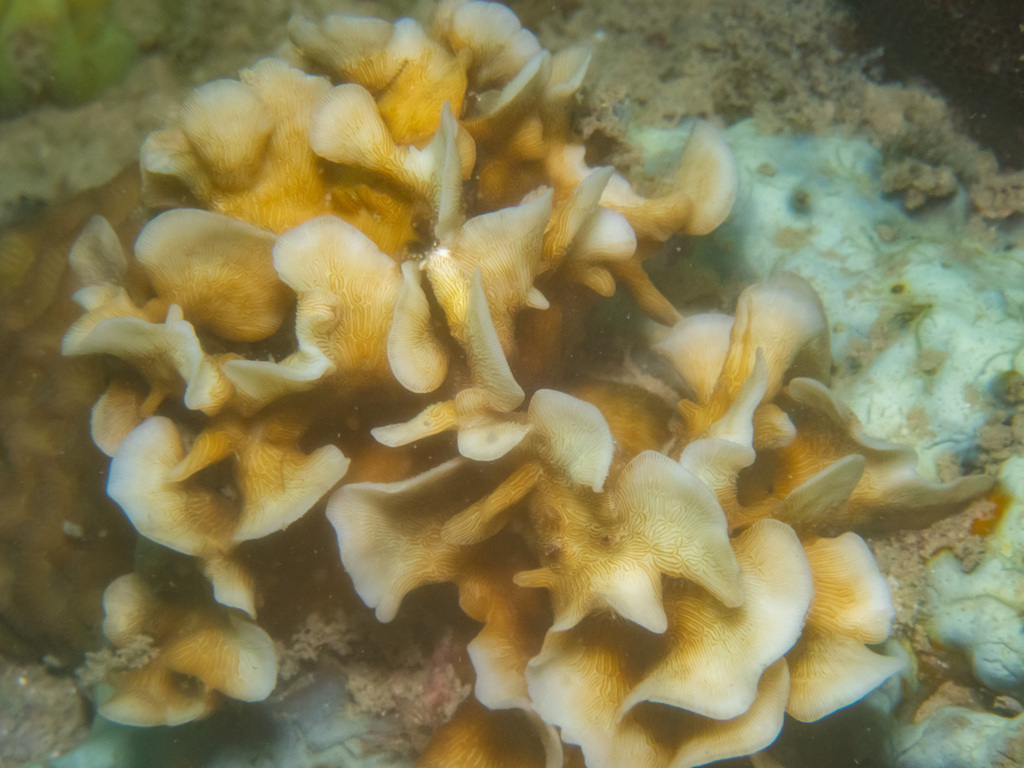 representative
Pavona maldivensis (encrusting)
A related species that encrusts and mounds rather than plating, often in orange, green or two-tone colours sold as 'Pavona maldivensis'.
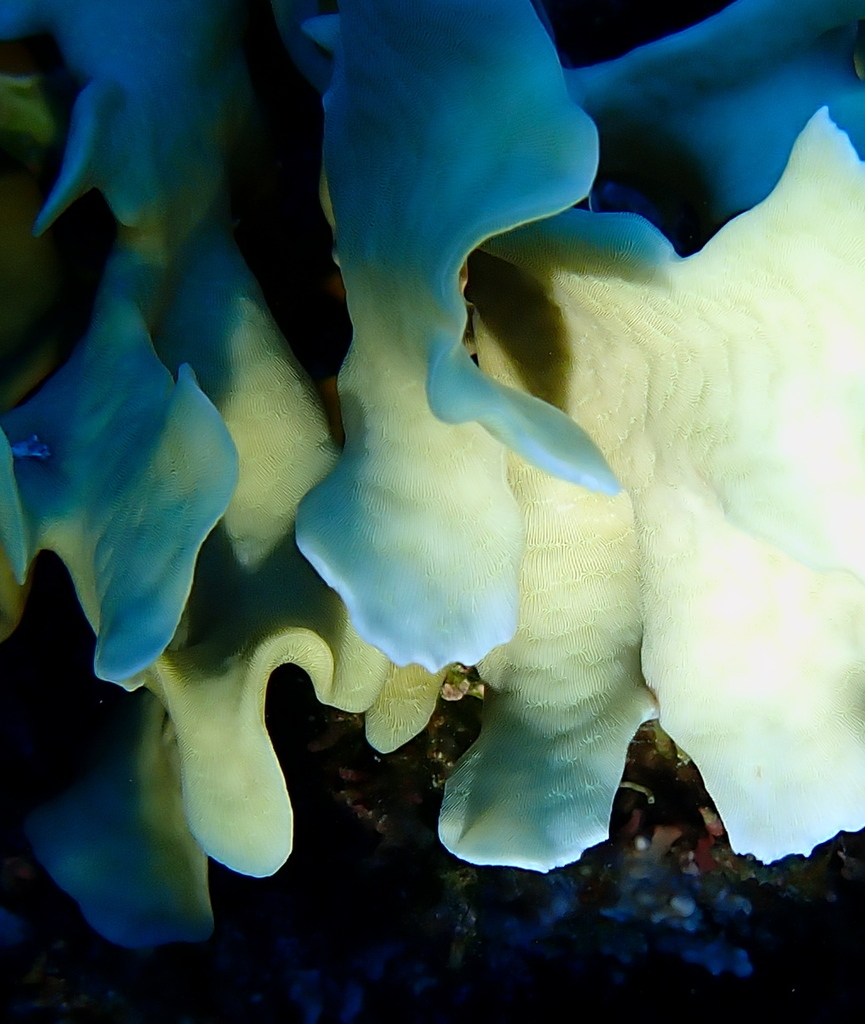 representative
Pavona decussata
A bifacial plating form with thicker, broader fronds sometimes sold under its own species name alongside P. cactus.
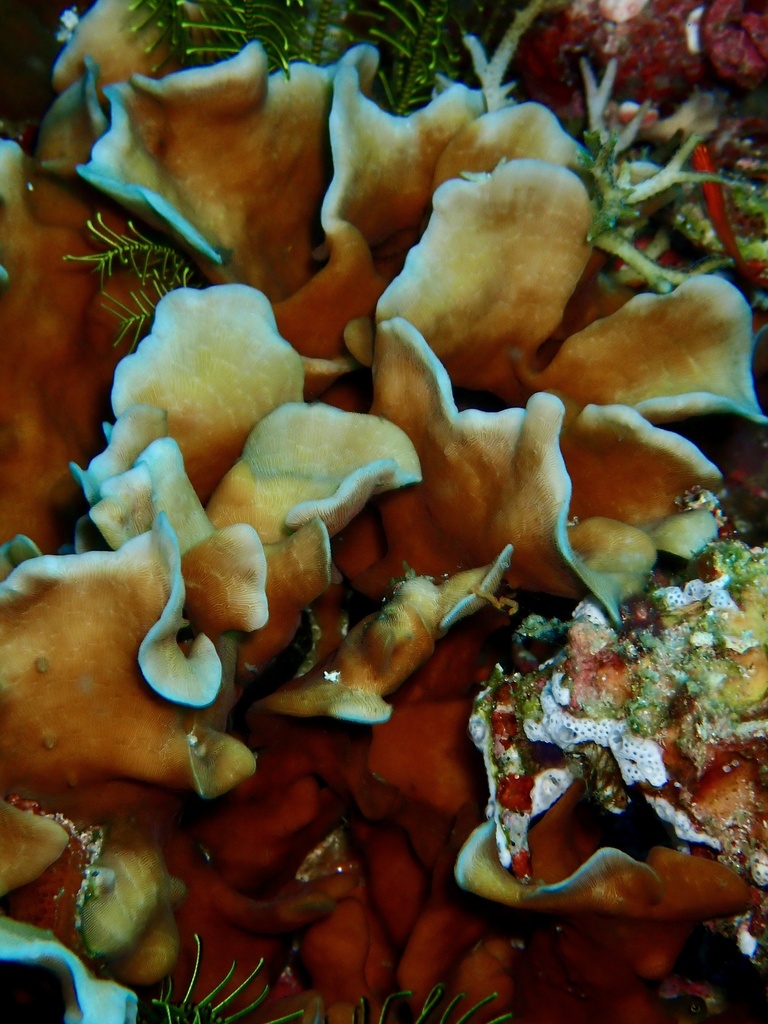 representative
WWC Emerald Pavona →
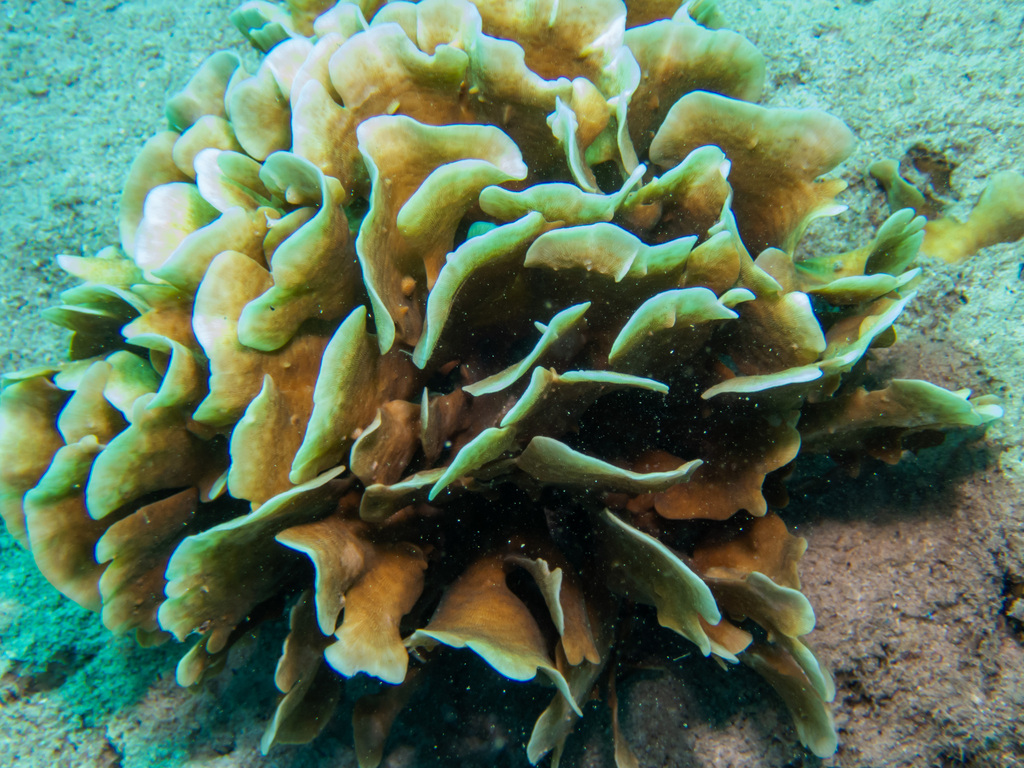
A bright emerald/green **Pavona maldivensis** with the species' characteristic large ring-like corallites and clubby, bulbous branch tips. Glows green under blue light.
Tip: Medium light and medium-to-strong flow suit it well; *maldivensis* is slower and chunkier than leafy Pavona, so a stable mid-tank rock spot works. Listed as an easy, beginner-friendly coral.
 representative
WWC Cactus Pavona →
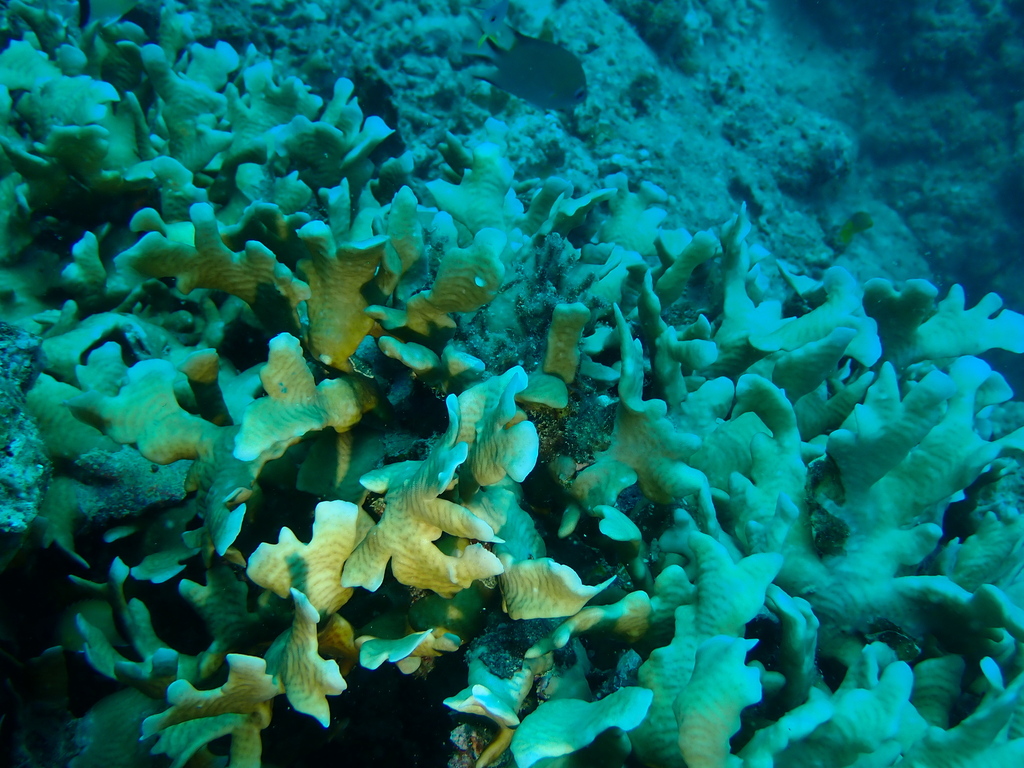
The classic green 'potato chip' **Pavona cactus**, encrusting horizontally and throwing up vertical, ruffled, cactus-like plates. A hardy, fast-growing reef staple.
Tip: Low-to-medium light and moderate flow; it grows fast and encrusts aggressively and has sweeper tentacles with a noted sting, so keep it away from prized neighbors.
 representative
WWC Golden Pavona →
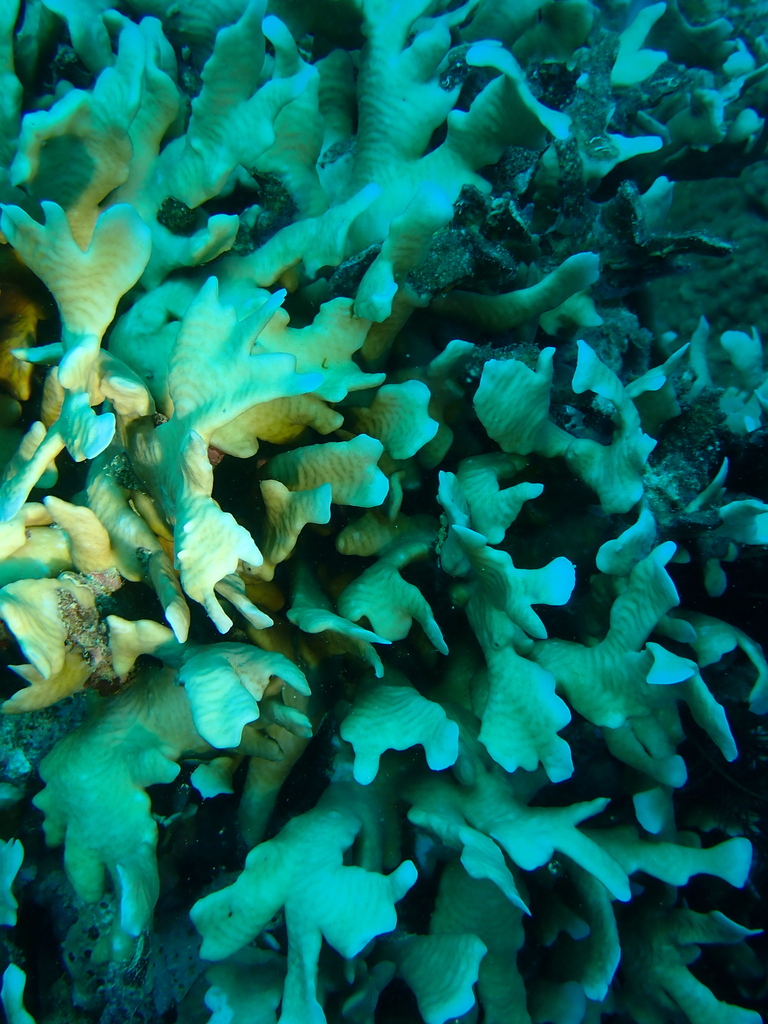
A glowing golden / yellow-gold colored **Pavona maldivensis**, a warmer departure from the usual green strains. Described in the hobby as a distinctively brighter shade that glows under aquarium lighting.
Tip: Medium light keeps the golden color saturated and avoids bleaching; pair with moderate flow and a stable rock placement for this slower, chunky *maldivensis*-type grower.
 representative
WWC Copper Pavona →
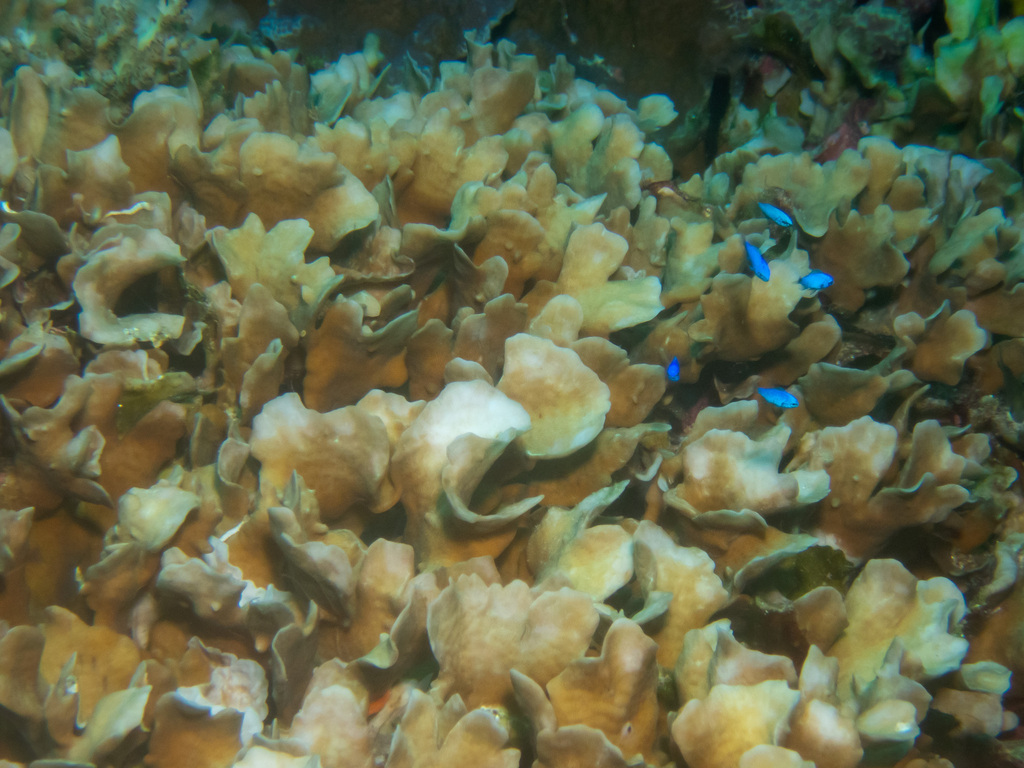
A coppery orange-brown toned **Pavona sp.** with warm metallic coloration that sets it apart from the green and gold strains.
Tip: Moderate light and flow; as with other warm-colored Pavona, avoid an overly blue spectrum if you want the copper tone to read true.
 representative
Freak Hair Pavona →
A striking morph with long neon green/yellow tentacles waving over a deep maroon/purple body — described as likely the most unique Pavona in the Tidal Gardens collection, with polyps that cluster like locks of hair.
Tip: Give it gentle-to-moderate flow so the long 'hairy' tentacles can extend; medium light keeps the maroon body and neon polyp contrast strong. Like all Pavona it is fast-growing and relatively forgiving.
 representative
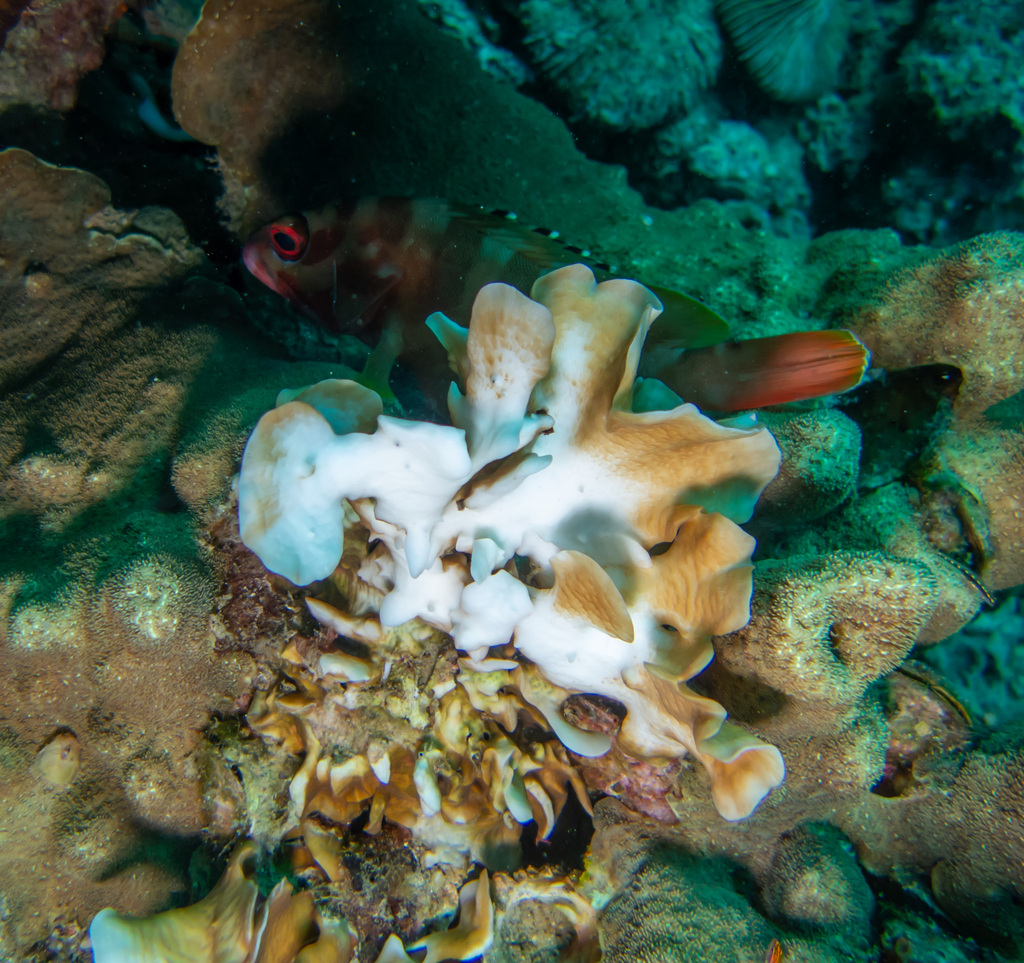
Neon Green Pavona →
A much brighter neon-green strain than standard green Pavona, with fluorescent highlights that glow vividly under actinic lighting. Very fast growing.
Tip: Medium light is plenty; place it where its fast growth and sweeper tentacles won't overrun neighbors, with medium flow. One of the easiest SPS corals to keep.
 representative
Neon Green Encrusting Pavona →
Like the neon-green strain but with a flat, encrusting growth form (an encrusting **Pavona maldivensis**) and an even brighter green coloration that hugs the rock rather than branching.
Tip: Excellent for encrusting over a rock face or covering a frag plug — give it medium light and let it spread; it grows fast and has sweeper tentacles, so mind placement.
 representative
Blue Pavona →
An unusual powder-blue toned Pavona that can develop green tentacles around the growth edges — a cooler color departure from the green-dominated norm for the genus.
Tip: A blue-leaning reef spectrum and medium light help bring out and hold the blue tones; pair with medium flow.
 representative
Purple Pavona →
A purple/grape-toned Pavona morph, offering a richer cool color than the standard green strains while keeping the genus's fast, hardy growth.
Tip: Medium light and flow; like the blue strain, a slightly bluer spectrum tends to deepen the purple coloration. Exceptionally hardy and tolerant of a range of conditions.
 representative
Orange Pavona (maldivensis) →
The classic orange **Pavona maldivensis** with chunky, clubby branches and large ring-shaped corallites — often called the 'flowering' Pavona when its polyps are out.
Tip: Medium light and medium-to-strong flow; *maldivensis* is slower and more deliberate than leafy Pavona, so give it a stable spot and don't blast it. Forgiving and beginner-tolerant despite the SPS label.
 representative
Metallic Orange Pavona maldivensis →
An intensely metallic, fluorescent orange selection of **Pavona maldivensis** — brighter and more saturated than the standard orange wild form, with the species' signature clubby, bulbous branch tips.
Tip: Moderate light to hold the metallic orange (too much blue can dull warm tones); moderate flow and a stable rock placement suit this slow, chunky grower. Sold by vendors as an easy, beginner-tolerant coral.
 representative
Jack O Lantern Pavona maldivensis →
An astonishing **Pavona maldivensis** with bright orange tissue and contrasting green mouths/corallite centers — directly echoing the famous 'Jack O Lantern' Leptoseris look on a clubby-branched *maldivensis* skeleton.
Tip: Medium light and gentle-to-moderate flow to preserve both the orange body and green-mouth contrast; as an ultra-rare piece, quarantine and dip carefully before placing it in a stable mid-tank spot.
 representative
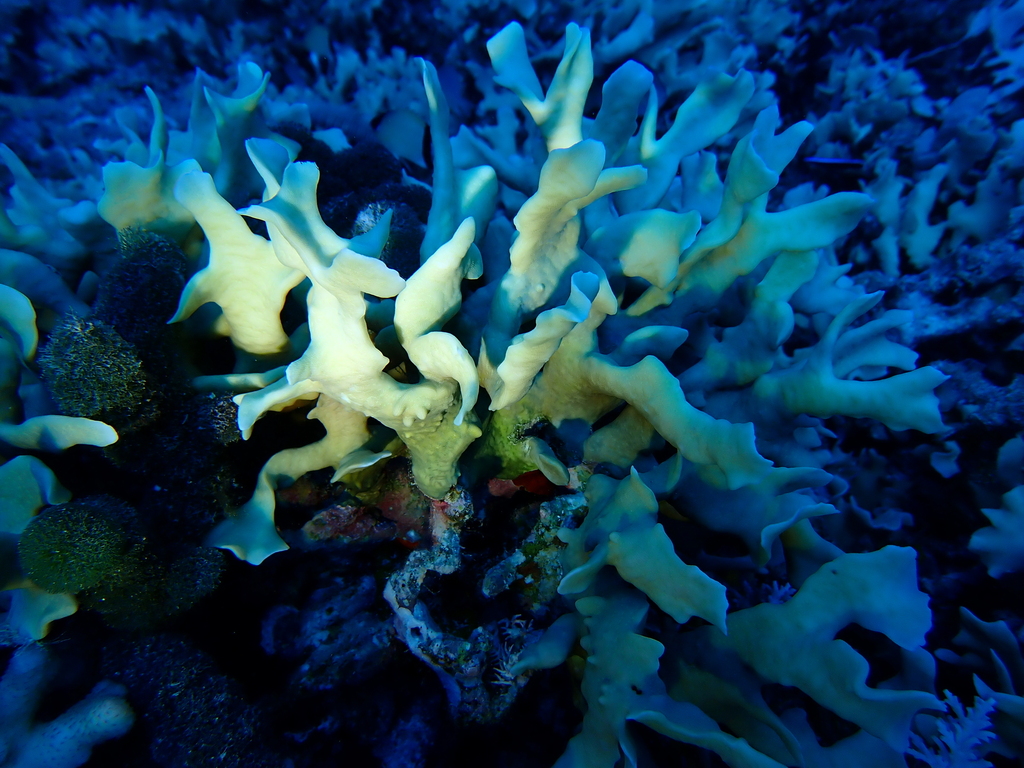
ORA Mint Pavona →
A thin, leafy, fast-growing **Pavona frondifera** with a soft mint-green coloration that glows under blue/actinic light. Grows in a compact, frilly, foliose colony rather than the chunky branching of *maldivensis* or the ruffled plates of *cactus*.
Tip: Give it low-to-medium light (lower than typical *Pavona cactus*) and gentle-to-moderate flow on a low rock or sand ledge. It grows fast and will quickly encrust and shade neighbors, so leave room. One of the more forgiving SPS corals, well suited to beginners.
 representative
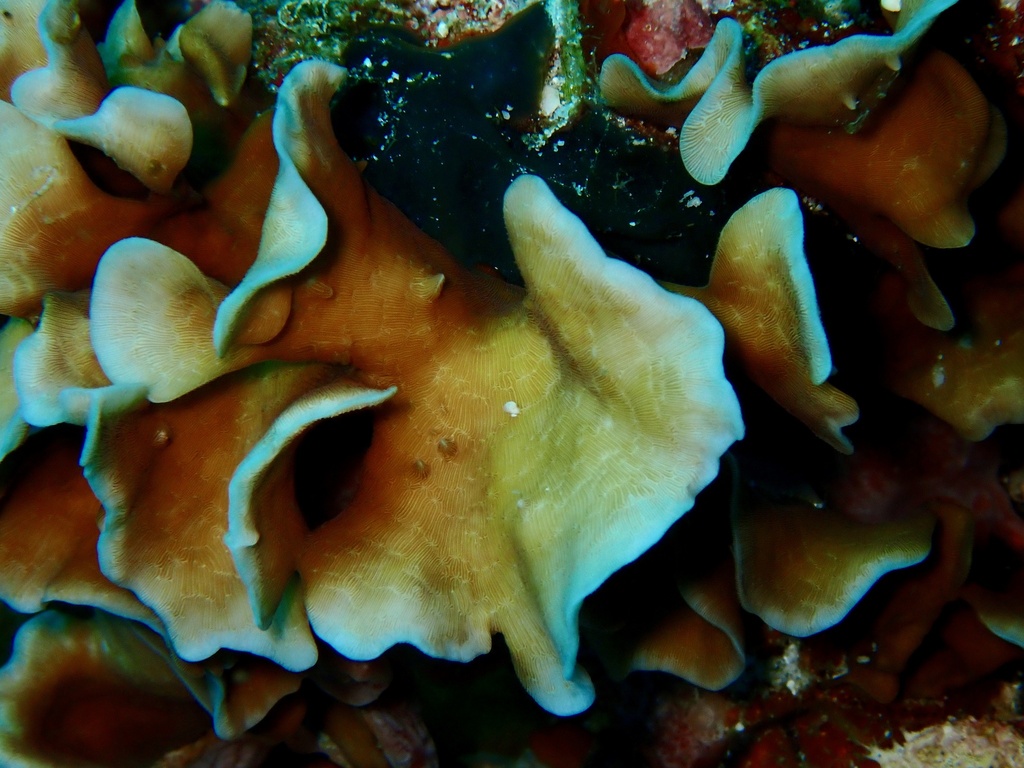
Biota Mint Pavona →
A captive-bred mint-green leafy Pavona (**Pavona frondifera**), very similar in look to the ORA Mint line, with crinkly, frilly fluorescent-green fronds. A budget-friendly, hardy entry-level SPS.
Tip: Place lower in the tank under reduced/medium light and gentle-to-moderate flow; like other leafy Pavona it grows quickly and tolerates a wide range of conditions, making it forgiving for beginner SPS keepers.