Favia coral
Favia sp. · also called Brain coral (closed-brain), Moon coral, Pineapple coral, Favites (closely related), Dipsastraea (revised genus)

Photo: User:Haplochromis · CC BY-SA 3.0
Favia (most Indo-Pacific trade specimens are now classified as Dipsastraea, alongside the look-alike Favites) are 'closed-brain' merulinid corals forming hardy encrusting boulders with separate, often vividly coloured corallites. They are large-polyp stony (LPS) corals — tougher than their fleshy look suggests — and reward feeding with rich colour, making them a great intermediate coral.
🩺 Need expert help with your favia coral?
Connect with a specialist near you or ask a licensed vet — never substitute online guidance for hands-on care in an emergency.
Quick facts
| Size | Massive/encrusting boulder colony; individual corallites ~0.5-1.5 cm; colonies range from small frags to domes 20+ cm across. |
| Lifespan | 5–75 years |
| Social needs | solo |
| Native region | Indo-Pacific |
| Origin | Old World |
| Climate | 🌴 Tropical |
| Water type | 🌊 Marine |
| Family | Merulinidae |
| Genus | Favia |
Part of the SPS Corals
Small-polyp stony corals — fast-growing branching corals demanding strong light & flow.
Habitat & space requirements
From the minimum an animal needs to be kept humanely, up to the ideal setup. Bigger is almost always better — minimums are floors, not targets.
Life & growth stages
How this animal changes through its life — each stage often has its own care, diet and space needs.
Color & pattern variants
Natural variants occur in the wild; selectively bred (man-made) variants were developed in captivity.
 representative
War Coral / Battle Favia →
A Favites/Favia morph with bright red-pink corallites set in neon green flesh, named for its 'warzone' contrast.
representativeChristmas Favia →
Green tissue with contrasting red mouths in each polyp, the red-and-green combo giving it the festive Christmas name. A classic, approachable brain coral look.
Tip: Gentle current and lower lighting suit it well; a low rock ledge or sandbed placement with a weekly feeding of brine, mysis or micro-plankton keeps it healthy. Leave space since its tentacles can sting neighbors.
 representative
War Coral →
A famous Favia/Favites morph (often sold under either genus) with chaotic red, green, orange, and purple swirls resembling a battlefield. The intense multicolor contrast made it one of the original 'name brand' LPS pieces.
Tip: Keep under low-to-moderate PAR (50-100) on the sand bed or low rock; high light bleaches the reds out and the colors flatten.
 representative
Master Splinter / Splatter →
A speckled 'splatter' Favia with random green and orange flecks scattered across a darker base, named for the rat from TMNT. Patterning is locked in only under stable, moderate light.
Tip: Give moderate flow that keeps detritus off the corallites; trapped waste between the bumps causes tissue recession on this morph.
 representative
Electric Green Favia →
A solid, neon-green fluorescent Favia/Favites with little contrasting color — the whole face glows uniform green under actinic/blue light.
Tip: Blue-heavy lighting at low-to-mid PAR maximizes the green fluorescence; tolerant of low flow, easy placement.
 representative
Pineapple Favia (Brown/Green) →
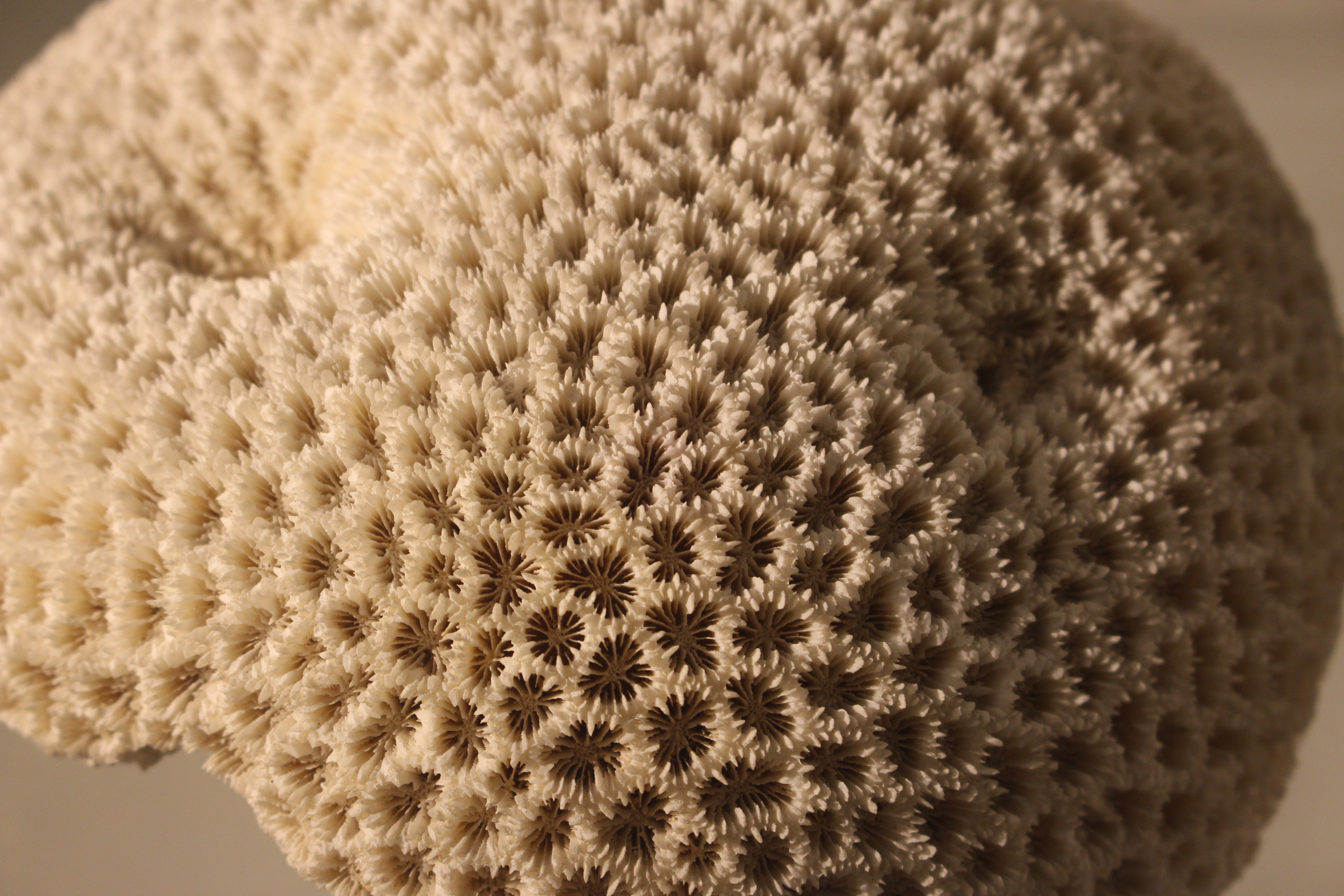
The classic 'pineapple coral' with brown-green corallites and a textured, segmented skeleton. Often the cheapest entry-level Favia.
Tip: Place with a few inches between it and neighbors — it has potent sweeper tentacles at night that will sting adjacent corals.
 representative
Meteor Shower / Sunset Favia →
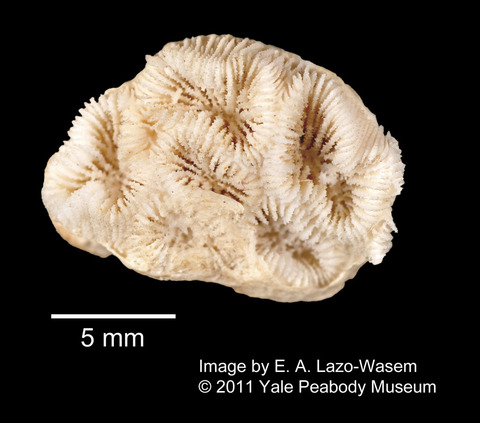
Orange-to-yellow centers with contrasting metallic green or blue speckled walls, evoking falling stars. A widely fragged designer favorite.
Tip: Target-feed at night when polyps extend; the extra nutrition deepens the orange centers on this morph.
 representative
Lobophyllia 'Lobo' Rainbow (Favia-type brain) →
Multicolor open-brain often sold alongside Favia, with rainbow swirls of red, green, purple, and teal across fleshy ridges. Frequently a wild-collected showpiece.
Tip: Keep on the sand bed in low flow so the fleshy tissue inflates fully; strong flow tears the inflated polyp.
 representative
Master Favia (Master Fav) →
A wild-collected Australian *Favia*/*Favites* showing a dense mix of contrasting fluorescent colors — typically a green, orange, red and purple mottled face with vivid corallite rings. The 'Master' label denotes a top-grade, ultra-colorful piece.
Tip: Place low-to-mid in the rockwork under moderate light (PAR ~60-120) with low-to-moderate, indirect flow; too much PAR washes out the reds and oranges.
 representative
Rainbow Favia →
A wild brain that displays a full rainbow spread across the face — green skeletal mouths ringed by orange, with pink-to-purple tissue and yellow highlights between corallites. The defining trait is multiple distinct hues on one head.
Tip: Give it stable low-mid placement with gentle flow; feed small meaty foods at night when the feeder tentacles emerge to keep colors saturated.
 representative
War Coral (War Favia) →
An *Echinophyllia*/*Favites*-type brain (the trade blurs the genera) with a busy battlefield of green and red mottling that gives it the 'war' look — patchy, contrasting blotches rather than clean rings.
Tip: Low-mid light and gentle flow; it colors up best with some shading and benefits from target feeding to maintain the red pigment.
representativePineapple Favia (Pineapple Brain) →
A *Favites* (and similar closed-brain faviids) showing a tidy, evenly spaced grid of corallites resembling a pineapple's surface, typically in green or tan with paler skeletal walls.
Tip: Very forgiving — low-to-moderate light and gentle flow anywhere in the rockwork; one of the easier Favia-type LPS for beginners.
representativeDemon Eye Favia →
Deep blood-red mouths set in a dark blue-to-purple body covered in bright speckling, giving each polyp a glaring 'demon eye'. The red-eye-on-dark-body contrast is the defining feature.
Tip: Lower light helps preserve the dark blue body and red eyes; give it gentle flow and keep it isolated from aggressive tankmates.
representativeBleeding Apple Favia →
Bright fluorescent red tissue with yellow-green centers in each corallite, like a row of glowing apples. Often sold as a 'micro' Favia/Favites with tightly packed small polyps.
Tip: Mount on a low rock ledge or sandbed in the lower two-thirds of the tank under low-to-moderate light (PAR 120-250) with moderate, indirect current. Leave 1-2 inches of space since it stings neighbors at night.
representativeJF Day-Glo Favites (Pentagona) →
A Favites pentagona ('war coral' type) with intensely fluorescent day-glo green corallite centers, a ring of yellow-gold rays, and bright pink-red corallite edges glowing hard under actinics. One of the more famous designer Favites in the hobby.
Tip: Encrusting Favites do well on a low rock face with moderate light and moderate flow; it will spread over the rock rather than dome up. Beginner-friendly to keep once established.
representativeWolverine Favia →
Vivid neon-yellow ridges separating deep purple valleys, the slashing yellow lines evoking Wolverine's claws. Often has dark purple mouths ringed in bright yellow.
Tip: Moderate, even light (PAR ~80-150) holds the yellow-vs-purple contrast; keep flow moderate and indirect, place mid-to-low, and give it space from stinging neighbors.
 representative
Aquacultured colour morphs →
Various named, line-grown selections chosen for extreme corallite contrast and propagated as frags within the hobby.
representativeWWC Fantasmo Favia →
A glowing aquacultured Favia with electric green tissue and ghostly pale corallite ridges that fluoresce hard under blue light. The high-contrast 'spooky' glow is what earned the Fantasmo name.
Tip: Place low in the tank under lower light (around 75 PAR) with low to medium-low, indirect flow; keep it spaced away from neighbors since Favia extend sweeper tentacles at night. Target-feed once a week when its feeding tentacles are out.
representativeWWC Diversity Favia →
A multi-color Favia mixing green, gold, orange and red across the polyps, named for the range of tones in one colony. The busy rainbow-of-warm-colors look is its signature.
Tip: Moderate light and low-moderate flow on the sandbed or a low rock ledge; too much light can wash out the warmer reds and oranges.
representativeJF Yellow Submarine Favia →
A vivid Favia whose corallites glow saturated yellow against a darker body, the strong yellow giving it the Yellow Submarine name. A bright, high-contrast designer piece.
Tip: Moderate blue-leaning light (PAR ~120-180) brings out the yellow while excess white light can wash it; keep flow gentle and indirect and feed small meaty foods to maintain color and growth.
representativeJF Hint of Pink Favia →
A green-bodied Favia washed with subtle pink tones across the ridges and mouths, the soft pink overlay giving it its name. A more pastel, collector-oriented look.
Tip: Keep light low-to-moderate and stable; the delicate pink can fade under excessive intensity, so favor a low-to-mid placement with medium flow.
representativeJF Paranoia Favia →
A bright, busy Favia with contrasting neon ridges and darker valleys creating a chaotic, eye-catching pattern. A signature designer Favia from the JF stable.
Tip: Low-to-moderate light and low-medium flow; give it room as a standalone show piece since Favia sting neighbors with night-time sweepers.
representativeWWC Necromancer Favia →
A dark, moody Favia with deep body coloration broken by glowing accent ridges and mouths, fitting its ominous Necromancer name. A high-contrast designer piece under blue light.
Tip: Lower-to-moderate light preserves the dark base color; gentle indirect flow and a mid-to-low placement work best.
representativeWWC Acid Venom Favia →
Toxic-looking electric green ridges and rims set against darker tissue, the acid-green glow giving it the Acid Venom name. A bright, fluorescent show Favia.
Tip: Moderate blue-heavy light maximizes the acid-green fluorescence; keep flow gentle and feed sparingly to maintain growth.
representativeGrapetini Favia →
Purple-to-grape body color with contrasting brighter rims and mouths, the wine-purple tones inspiring the Grapetini name. A softer, cooler-toned brain look.
Tip: Lower light helps hold the purple base; place low in the tank with gentle flow and keep away from aggressive corals.
representativeBlood Diamond Favia →
Deep red-to-crimson tissue with brighter contrasting centers, a saturated bloody-red show piece. Sold as a WYSIWYG colored Favia.
Tip: Lower-to-moderate light keeps the red saturated rather than browning out; medium-to-low indirect flow and a low placement suit it.