Platygyra (Maze Brain)
Platygyra daedalea · also called Maze Brain Coral, Brain Maze Coral, Worm Coral, Closed Brain, Maze Coral

Photo: Diego Delso · CC BY-SA 4.0
Platygyra daedalea is a hardy maze-brain LPS whose continuous meandering valleys give it a labyrinth pattern. Hardy and forgiving for intermediate keepers, it grows slowly into attractive dome colonies and packs a defensive sweeper-tentacle sting.
🩺 Need expert help with your platygyra (maze brain)?
Connect with a specialist near you or ask a licensed vet — never substitute online guidance for hands-on care in an emergency.
Quick facts
| Size | Massive/dome colonies of meandering valleys; aquarium colonies typically 5-25 cm across, far larger on wild reefs |
| Lifespan | 20–100 years |
| Social needs | solo |
| Native region | Indo-Pacific; Red Sea and East Africa through to the Western and Central Pacific |
| Origin | Old World |
| Climate | 🌴 Tropical |
| Water type | 🌊 Marine |
| Family | Merulinidae |
| Genus | Platygyra |
Part of the LPS Corals
Large-polyp stony corals (brains, Euphyllia, Goniopora, Scolymia, Lobophyllia, Favites, Acan, Dendro, Octospawn) with fleshy polyps over a calcium-carbonate skeleton. Intermediate-care reef corals that appreciate moderate light/flow and direct feeding.
Habitat & space requirements
From the minimum an animal needs to be kept humanely, up to the ideal setup. Bigger is almost always better — minimums are floors, not targets.
Life & growth stages
How this animal changes through its life — each stage often has its own care, diet and space needs.
Color & pattern variants
Natural variants occur in the wild; selectively bred (man-made) variants were developed in captivity.
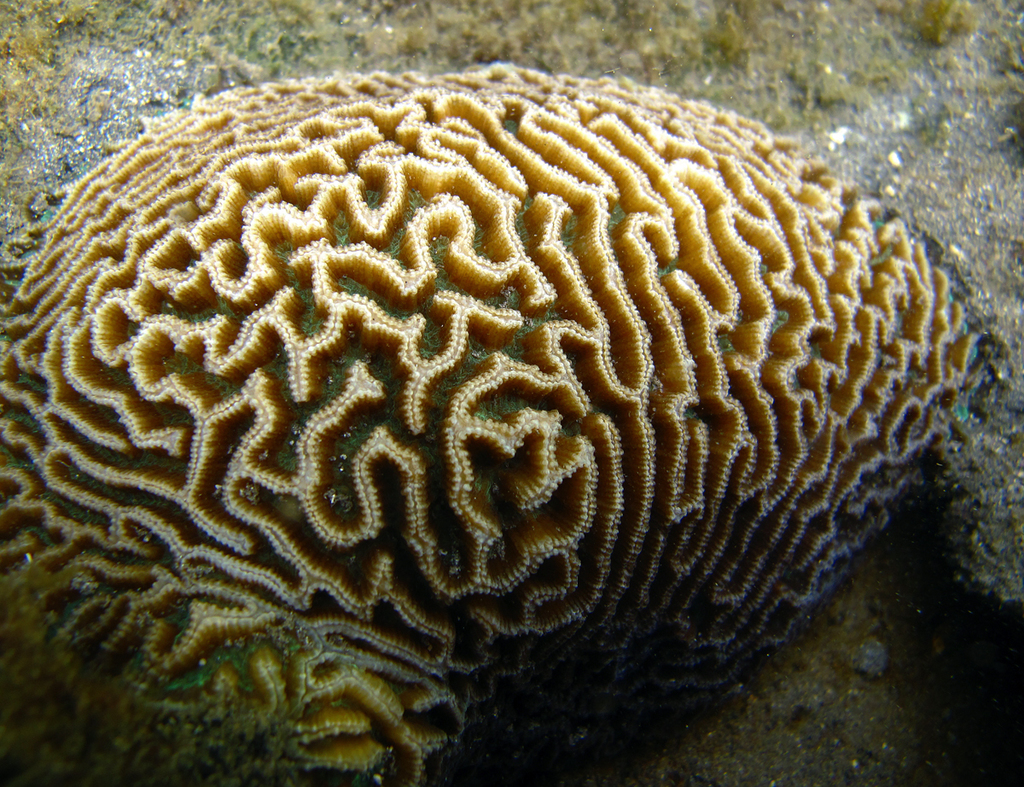 representative
Green Maze
Common form with bright green valleys and contrasting darker or tan ridge walls, emphasizing the labyrinth pattern under blue-heavy reef lighting.
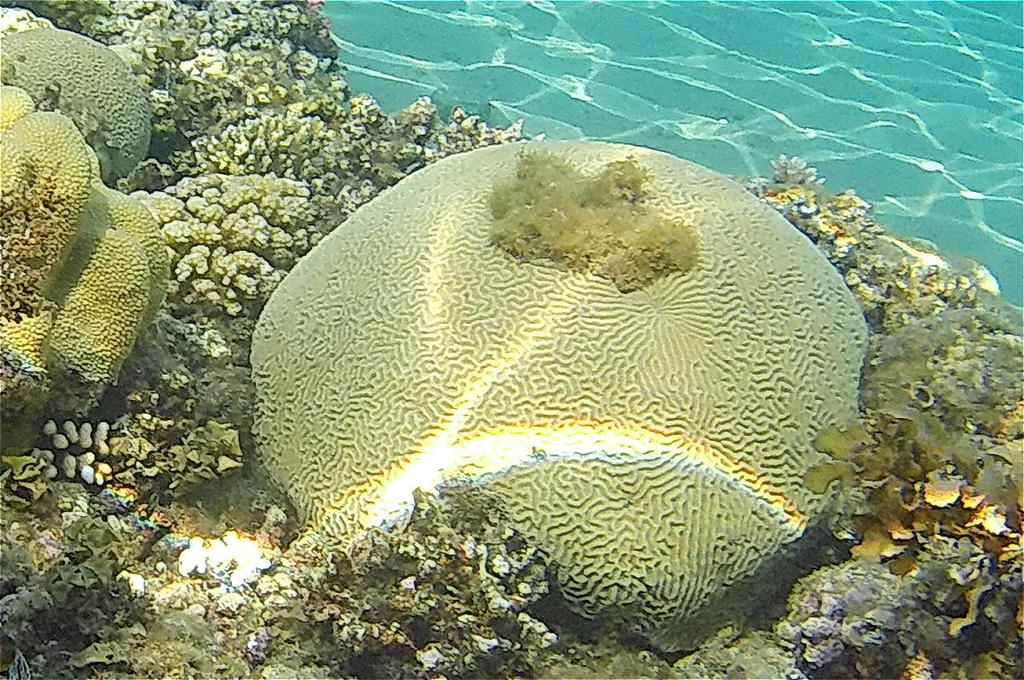 representative
Rainbow / Ultra Maze Brain
Premium multicolor morphs with contrasting wall and valley colors (red, orange, blue, green); naturally occurring color forms selected and aquacultured in the hobby.
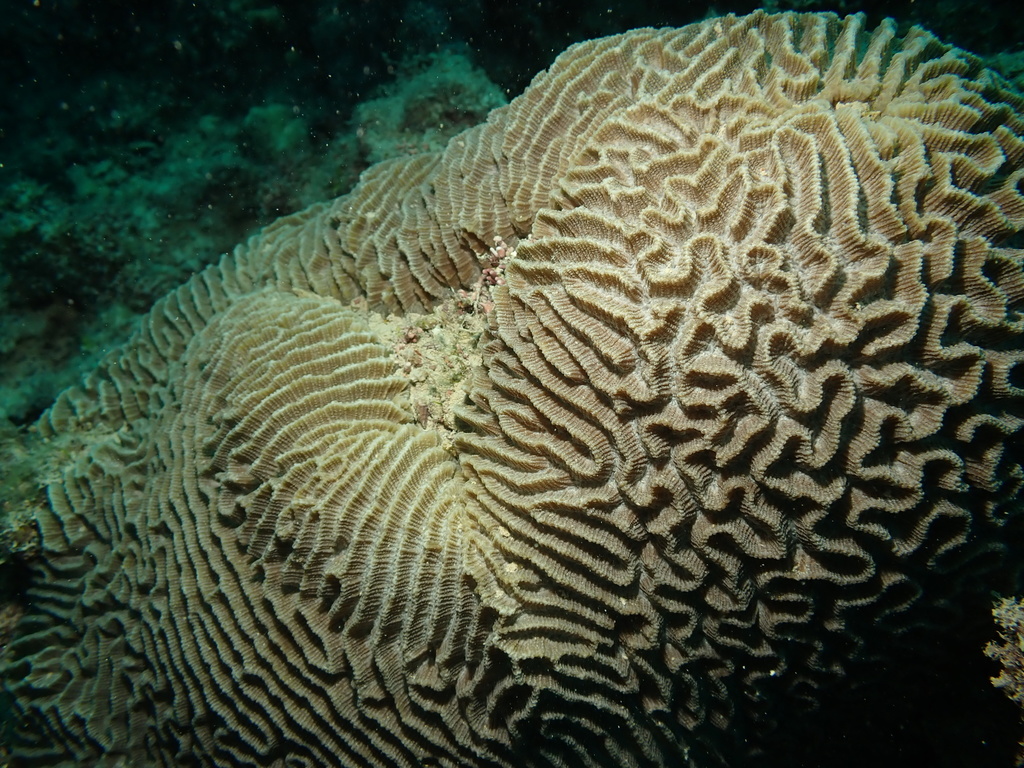 representative
Jason Fox High Voltage Platygyra →
An intensely bright, electric-green maze brain whose ridges and valleys glow under blue light. A clean, single-tone neon piece prized for its uniform fluorescence.
Tip: Place low on the rockwork or sand in low-to-medium light (roughly 30-150 PAR) with gentle-to-moderate flow so the green coloration holds without bleaching. Hardy and forgiving, though it can extend stinging sweeper tentacles at night, so leave a few inches around it.
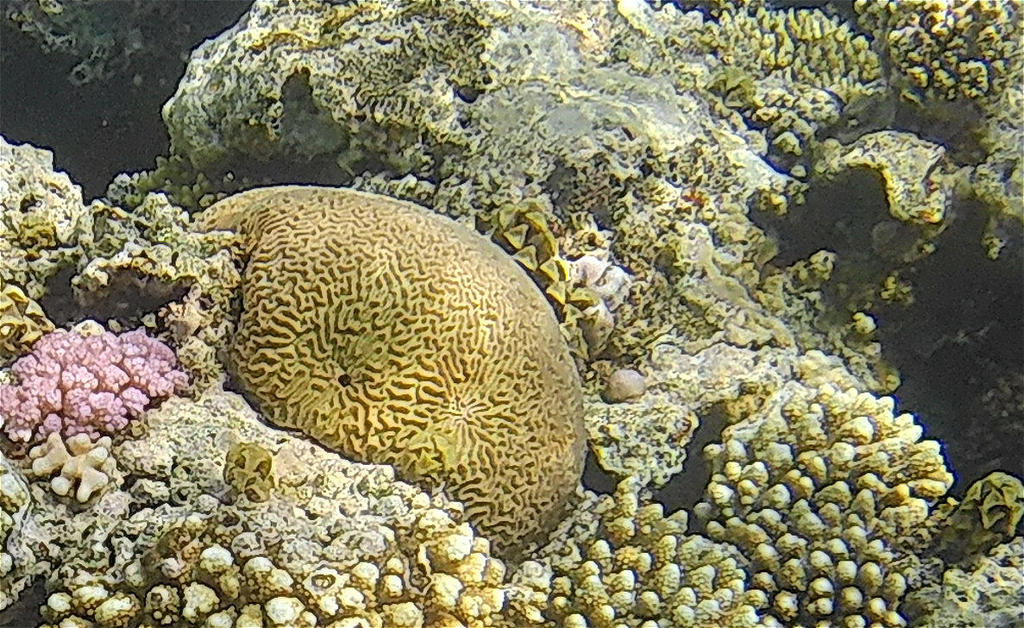 representative
Jason Fox Nuclear Spill Maze Brain →
A toxic-looking maze brain with searing green fluorescence threading through its labyrinth of ridges, named for its 'spill' of radioactive-green color.
Tip: Keep under low-to-medium light (roughly 30-150 PAR) and gentle-to-moderate flow; like most Platygyra it dislikes strong direct current that can strip its tissue. Spot-feed meaty foods and give it space from neighbors due to night-time sweeper tentacles.
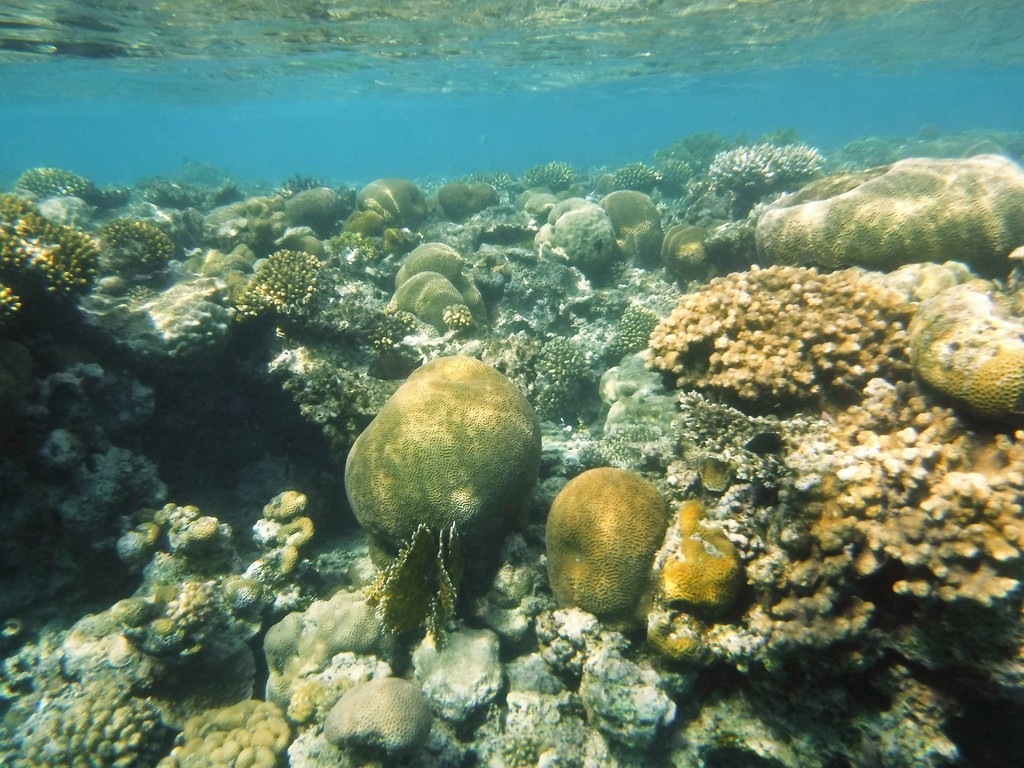 representative
WWC Awesome Rainbow Platygyra →
A multicolor maze brain swirling bright green, deep purple, and golden-yellow across its ridged surface, one of the more colorful Platygyra in the trade.
Tip: Position on rockwork or substrate under low-to-medium light (75-250 PAR) with moderate flow; it relies mainly on photosynthesis but takes occasional target feeding. The multicolor tones are more sensitive to bleaching, so avoid sudden lighting jumps.
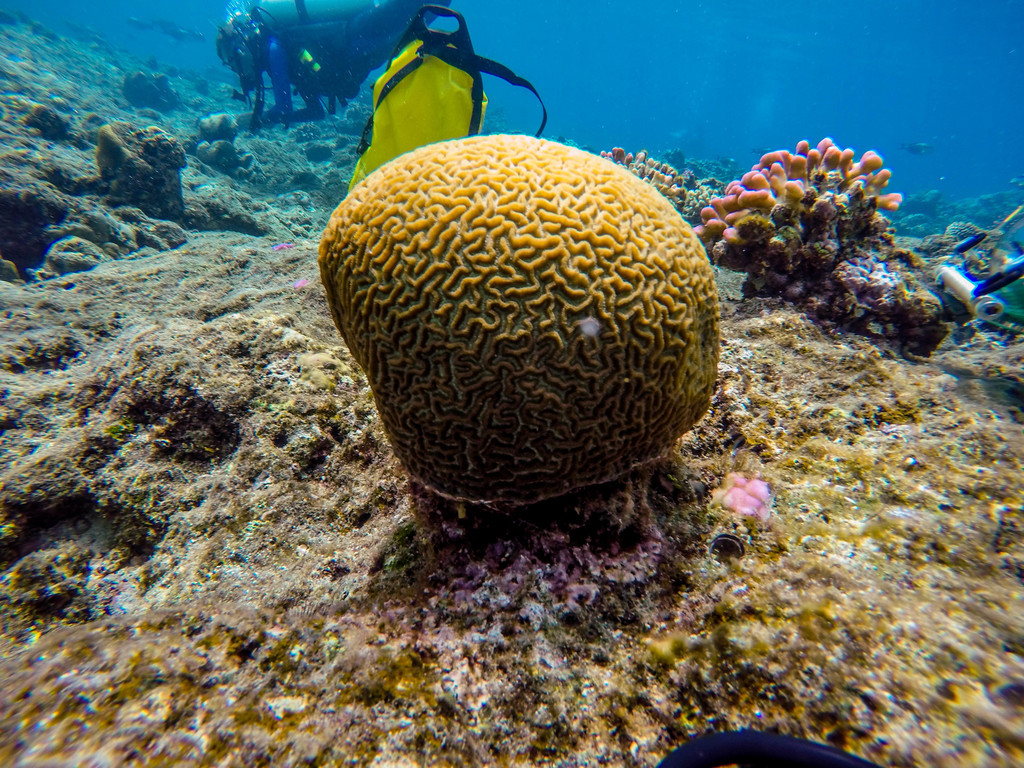 representative
TSA Golden Maze Platygyra →
A warm golden-yellow maze brain with classic Platygyra labyrinth ridges, named for its golden tones.
Tip: A beginner-friendly, hardy Platygyra; keep in low-to-moderate light and gentle-to-moderate flow on the lower rock or sand. Occasional meaty feeding helps it grow.
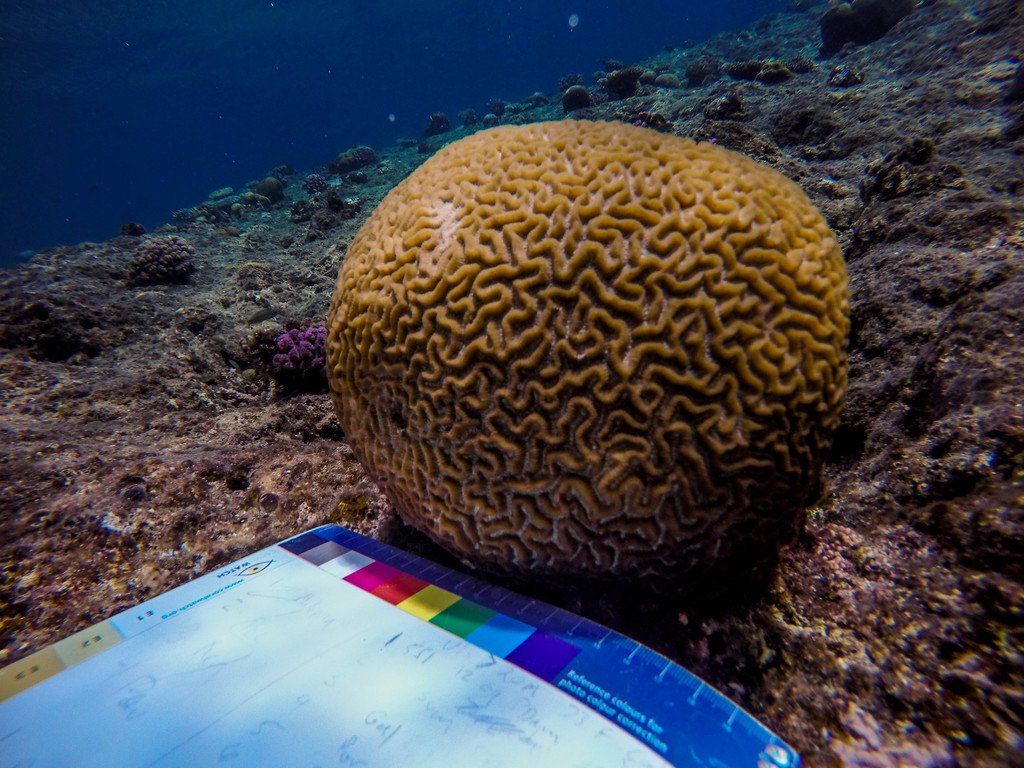 representative
Toxic Green Platygyra →
A high-contrast maze brain with bright neon-green channels running between purple ridges, a long-standing 'toxic' green look.
Tip: Keep under low-to-medium light (30-150 PAR) and low-to-moderate flow; feed meaty foods like minced mysis and place away from other corals to avoid sweeper stings. Hardy and forgiving once settled.
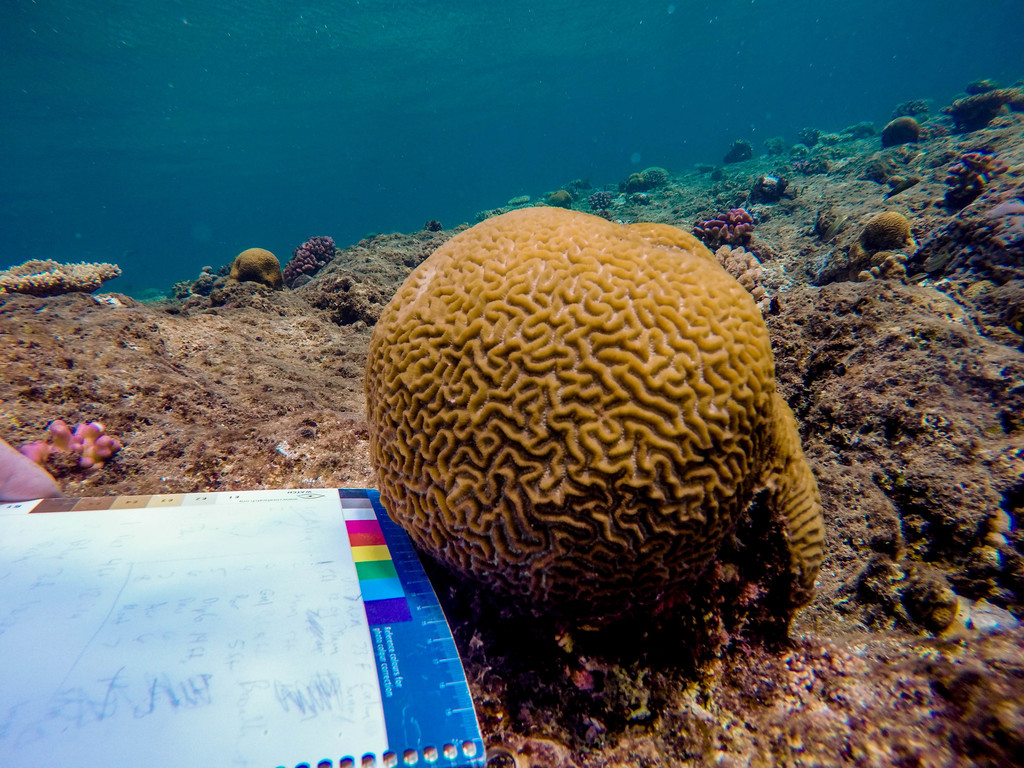 representative
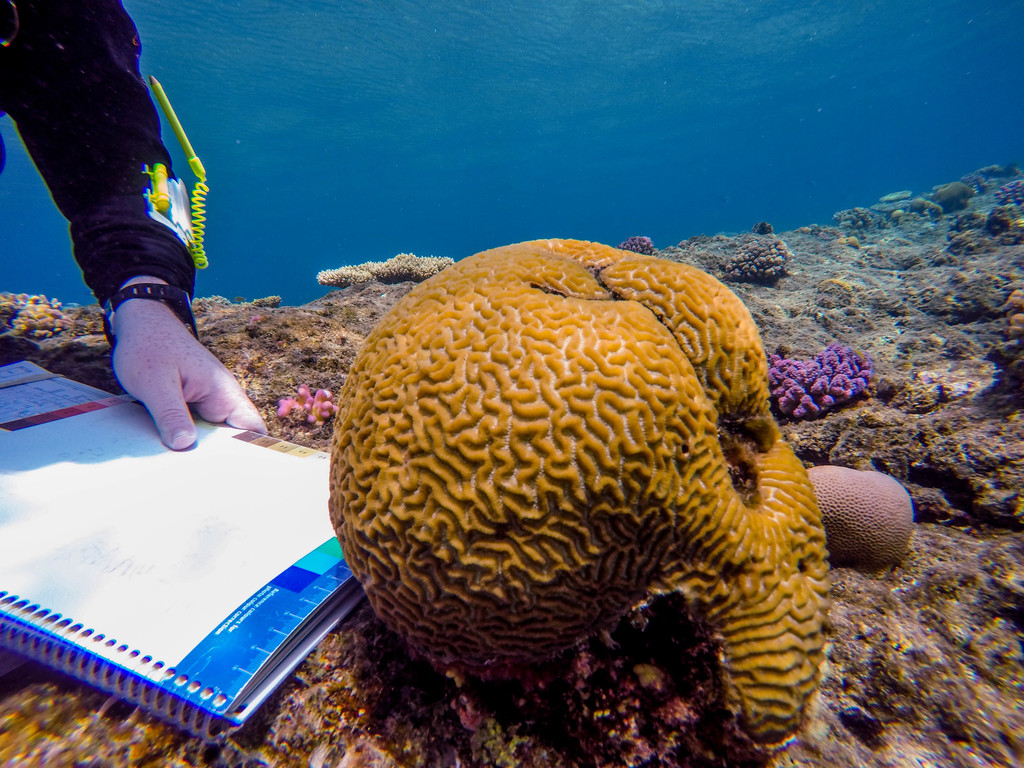
Enchantress Platygyra →
A premium maze brain with sky-blue polyp centers ringed in gold and separated by purple ridges, an unusually multicolor Platygyra.
Tip: Use low-to-medium light (30-150 PAR) and gentle flow that won't strip its skin; regular meaty feeding is a major key to long-term success. Its multicolor tones make it a bit more demanding than plain maze brains.
 representative
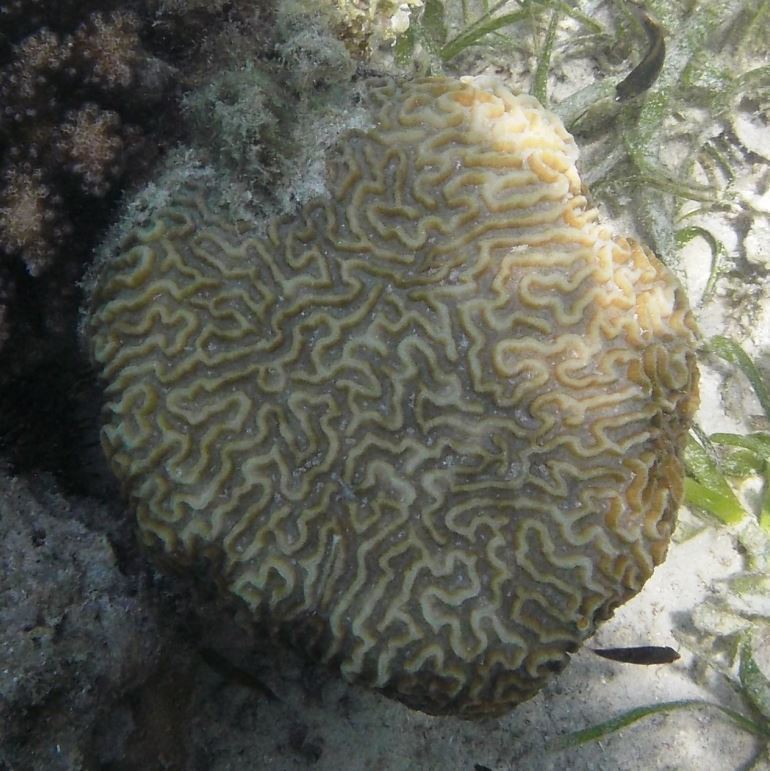
Neon Green Pinstripe Platygyra →
A maze brain whose deep purple base is almost completely covered by fine neon-green pin-striping along every ridge and valley.
Tip: Place low under modest light (30-150 PAR) with low-to-moderate flow; spot-feed meaty foods into the small mouths lining its trenches. A hardy, everyday-grade maze brain.
 representative
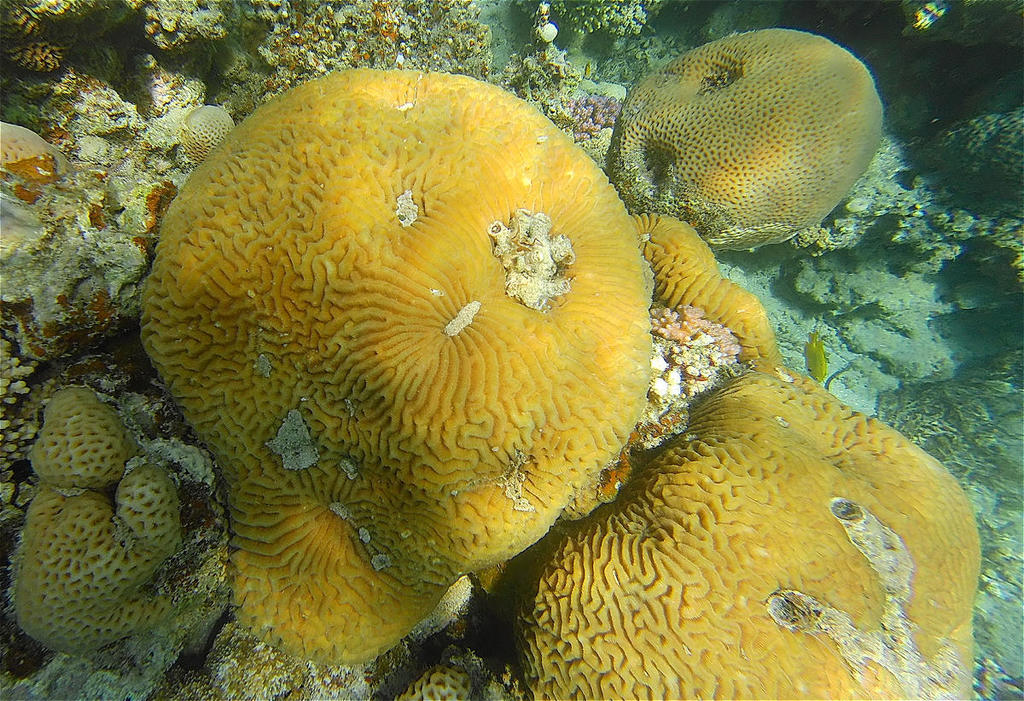
Court Jester (Frank Zappa) Platygyra →
A festive bicolor-to-tricolor maze brain mixing green, yellow, and purple through its labyrinth, named for its jester-like color mix.
Tip: Forgiving and hardy for beginners; keep in moderate light and low-to-moderate flow on the lower rock or sand bed, with a few inches of space from neighbors for its sweeper tentacles.
 representative
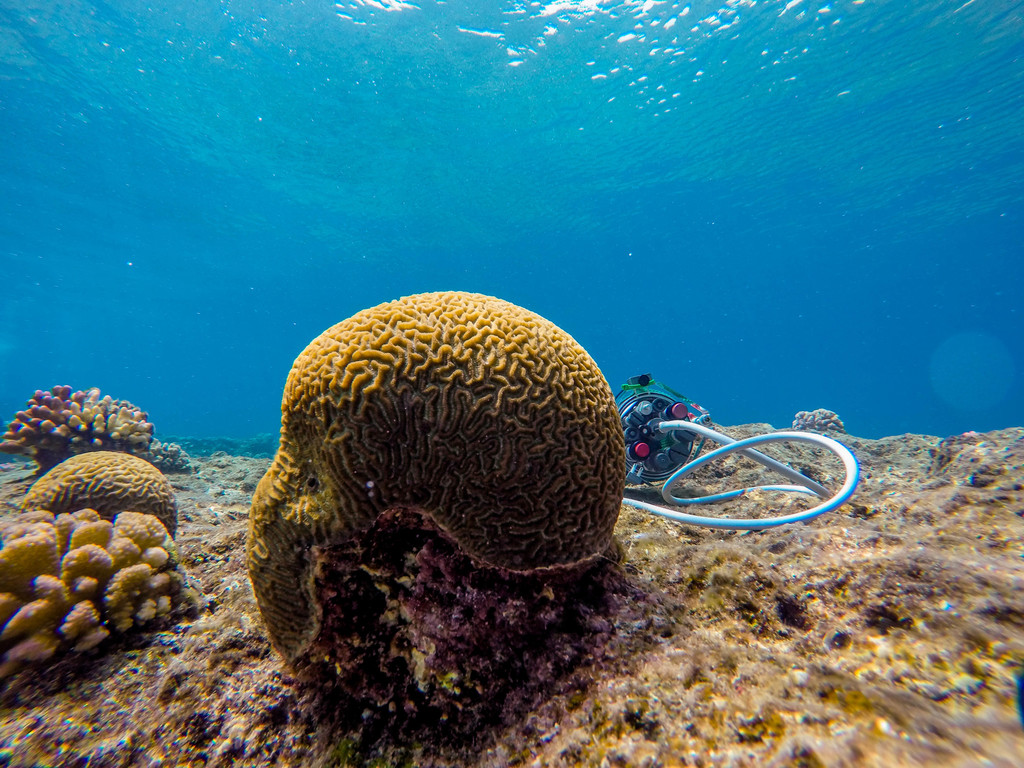
Alien Maze Brain →
A Platygyra maze brain that glows strongly under actinic light, giving it an 'alien' fluorescent appearance across its ridges.
Tip: Easy and adaptable; place under low-to-medium light (PAR ~120-250) with moderate flow and leave 2-3 inches of space, as it can extend stinging sweeper tentacles at night.
Habitat & enclosure
Substrate
Equipment & setup
Diet
Behavior & temperament
Health
Tips, DIY & hacks
Sources
- WoRMS - Platygyra daedalea (Ellis & Solander, 1786) (database)
- Aquarium Corals (Eric Borneman) (reference)
- Reef2Reef - Platygyra Maze Brain Care (care guide)
- Wikipedia: Platygyra (Maze Brain) (wiki)