Elegance coral
Catalaphyllia jardinei · also called Elegant coral, Wonder coral, Ridge coral, Catalaphyllia

A spectacular LPS coral with a single large fleshy oral disc and a flowing mass of pastel, neon-tipped tentacles that wave like a sea anemone. Once a hardy beginner coral, wild specimens have suffered a poorly understood die-off syndrome for decades, making it genuinely demanding today — best left to experienced keepers, ideally sourcing healthy aquacultured or Australian stock.
🩺 Need expert help with your elegance coral?
Connect with a specialist near you or ask a licensed vet — never substitute online guidance for hands-on care in an emergency.
Quick facts
| Size | Single large free-living LPS polyp; expanded tentacle 'flower' commonly 6-12 in (15-30 cm) across, with mature specimens reaching 18+ in (45 cm). |
| Lifespan | 5–100 years |
| Social needs | solo |
| Native region | Indo-Pacific (Indian Ocean to the western Pacific; notably Australia) |
| Origin | Old World |
| Climate | 🌴 Tropical |
| Water type | 🌊 Marine |
| Family | Euphylliidae |
| Genus | Catalaphyllia |
Part of the LPS Corals
Large-polyp stony corals (brains, Euphyllia, Goniopora, Scolymia, Lobophyllia, Favites, Acan, Dendro, Octospawn) with fleshy polyps over a calcium-carbonate skeleton. Intermediate-care reef corals that appreciate moderate light/flow and direct feeding.
Habitat & space requirements
From the minimum an animal needs to be kept humanely, up to the ideal setup. Bigger is almost always better — minimums are floors, not targets.
Life & growth stages
How this animal changes through its life — each stage often has its own care, diet and space needs.
Color & pattern variants
Natural variants occur in the wild; selectively bred (man-made) variants were developed in captivity.
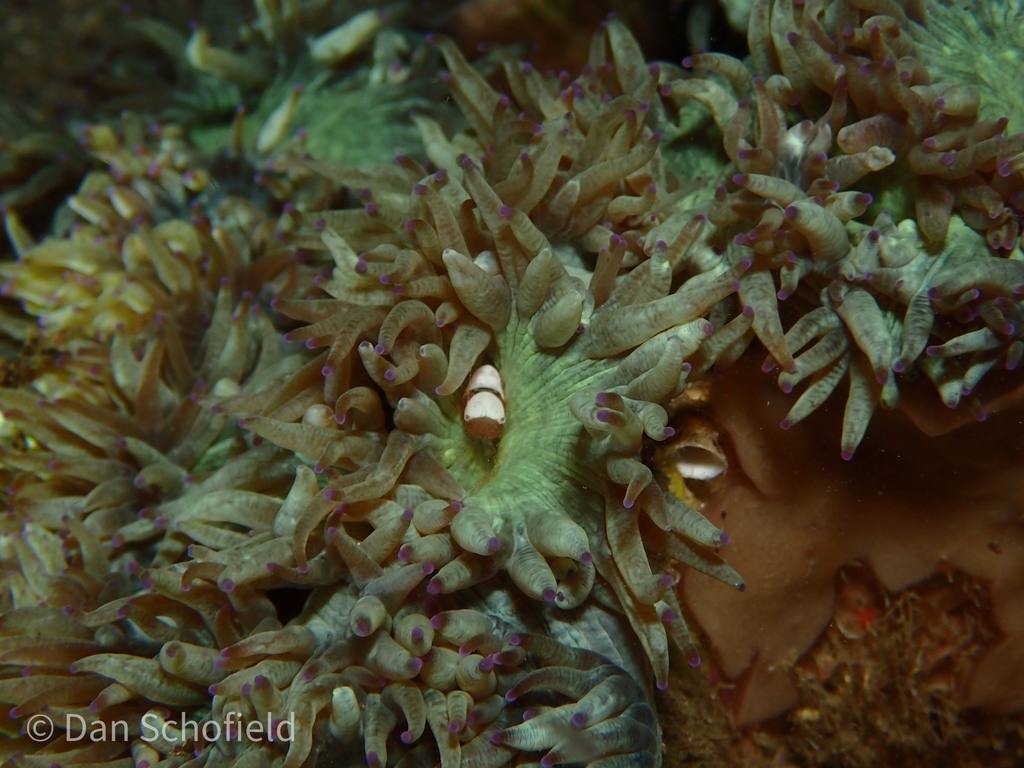 representative
Green-tip Elegance
Classic morph with a striped oral disc and tentacles tipped in fluorescent green; the most familiar wild appearance.
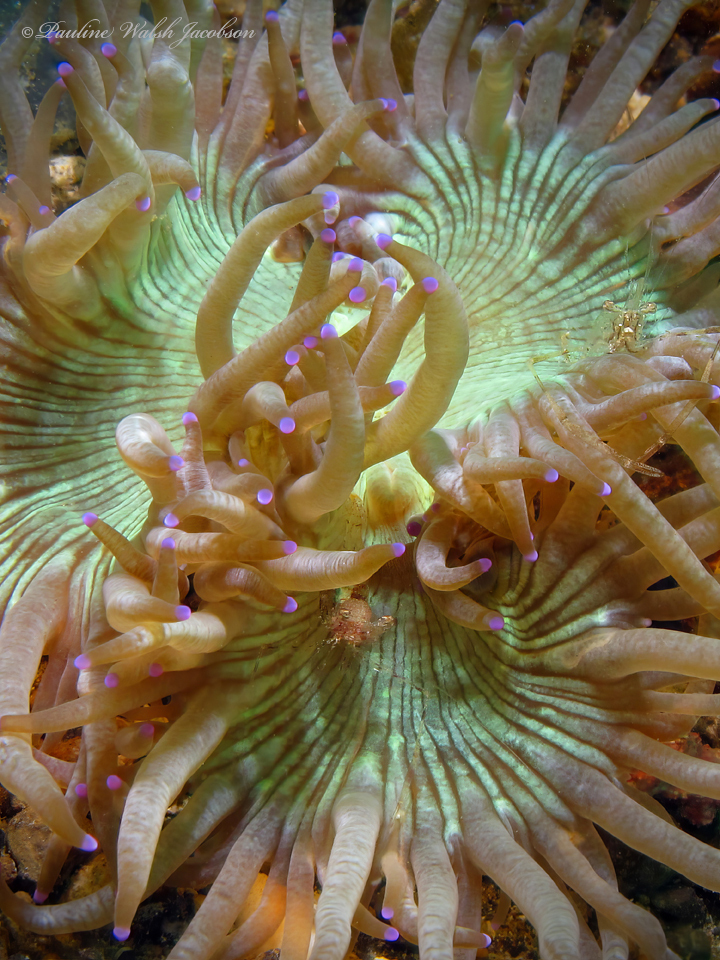 representative
Australian Elegance
Specimens collected from Australian waters, often more vividly colored (pinks, golds, neon tips) and with a markedly better captive survival record than older Indo-Pacific imports.
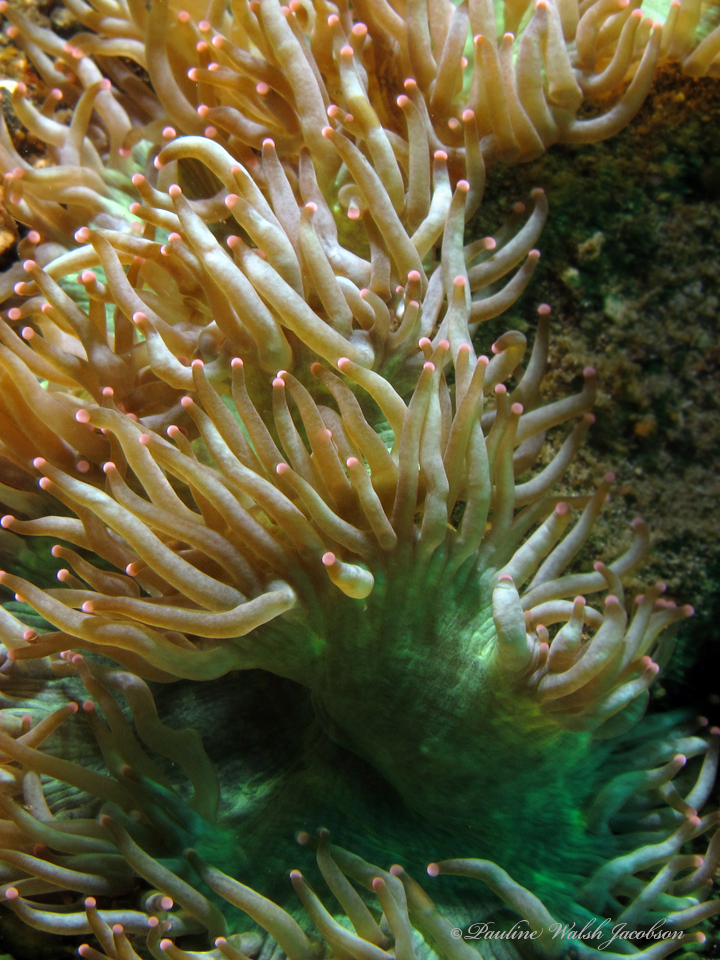 representative
Gold/Rainbow Elegance
Premium color morphs showing gold, orange, or multicolor oral discs and tentacle tips, highly sought after by collectors.
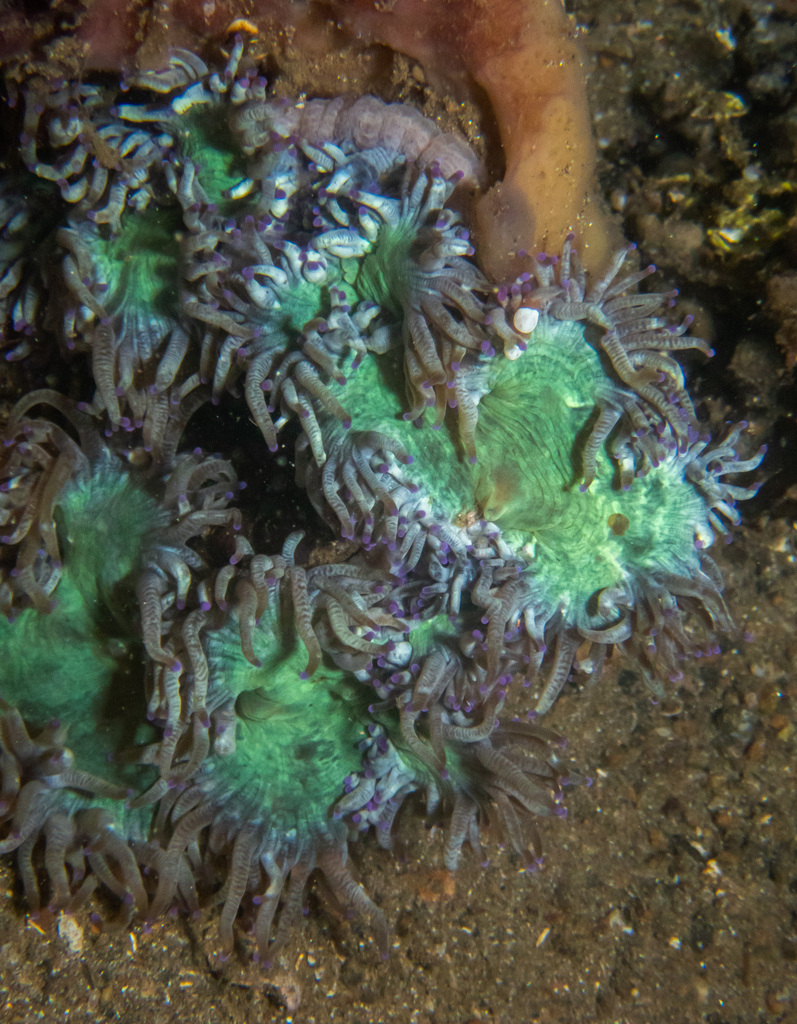 representative
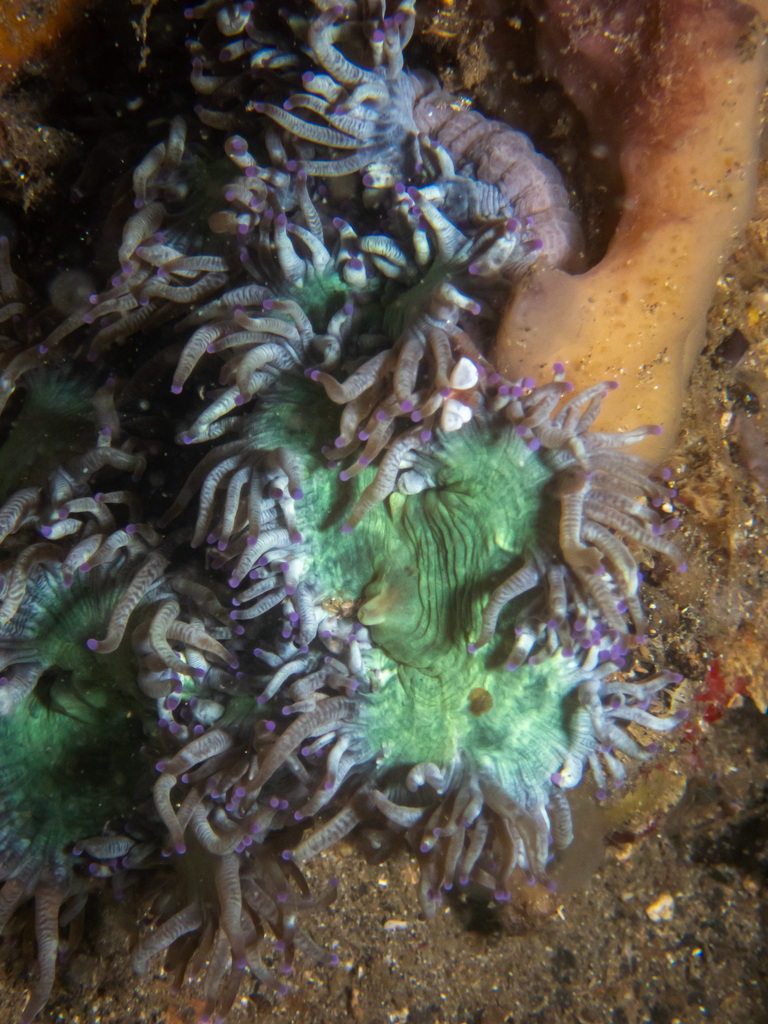
Purple Tip Elegance →
Green-based elegance with purple to lavender tentacle tips — a look that was especially popular in the 1990s and early 2000s.
Tip: Sand bed, gentle flow, moderate light; the purple tips pop under heavier blue/actinic lighting. Allow space for the inflated polyp and its stinging sweepers.
 representative
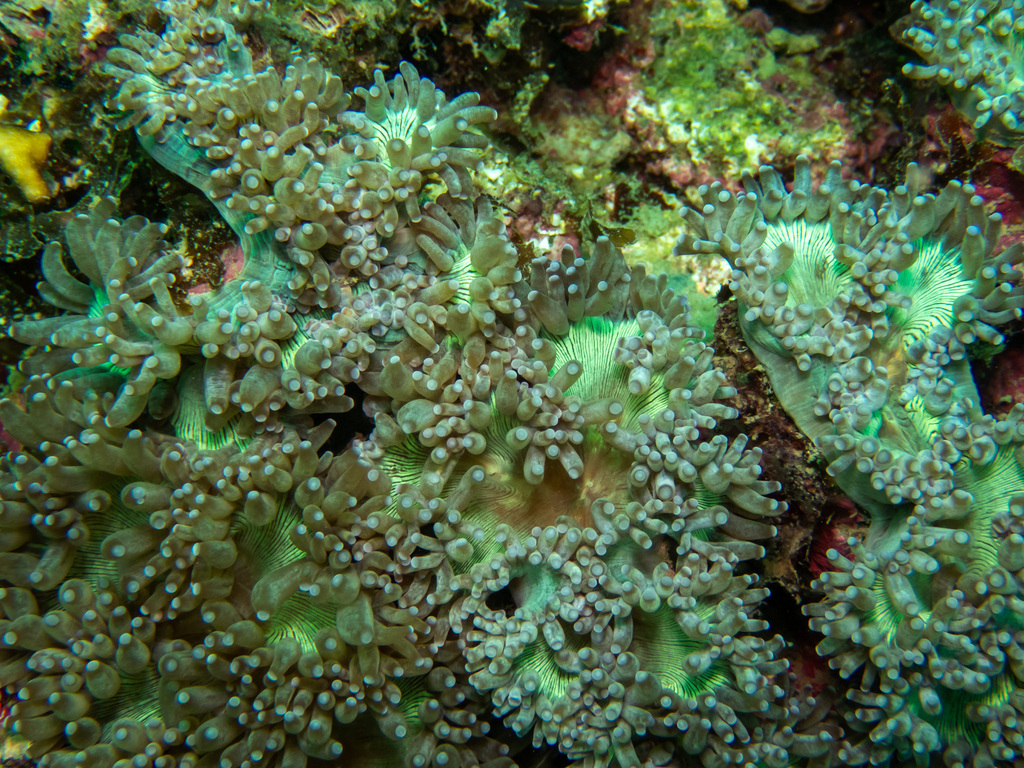
Australian Elegance (Aussie) →
Australian-collected Catalaphyllia widely regarded as far hardier than the old Indonesian imports that suffered mass die-offs; vivid striped discs and neon tips.
Tip: Pay the premium for Aussie-sourced elegance — they survive vastly better than Indo stock, which was plagued by 'brown jelly' wasting disease; quarantine and observe full expansion first.
 representative
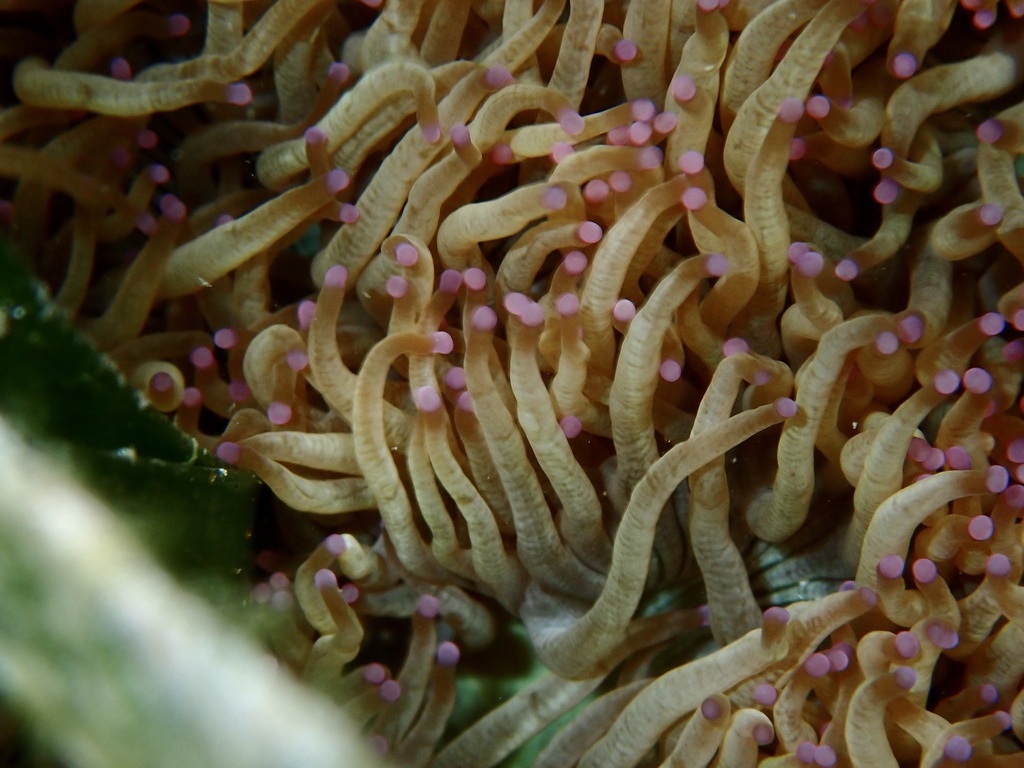
Gold/Toxic Green Elegance →
An intensely fluorescent gold-green Aussie elegance that glows brilliantly under blue light; a premium collector color.
Tip: Blue-spectrum light makes the gold-green pop, but keep overall intensity low (PAR ~50-100); too much light bleaches the tips and stresses the heavy tissue.
 representative
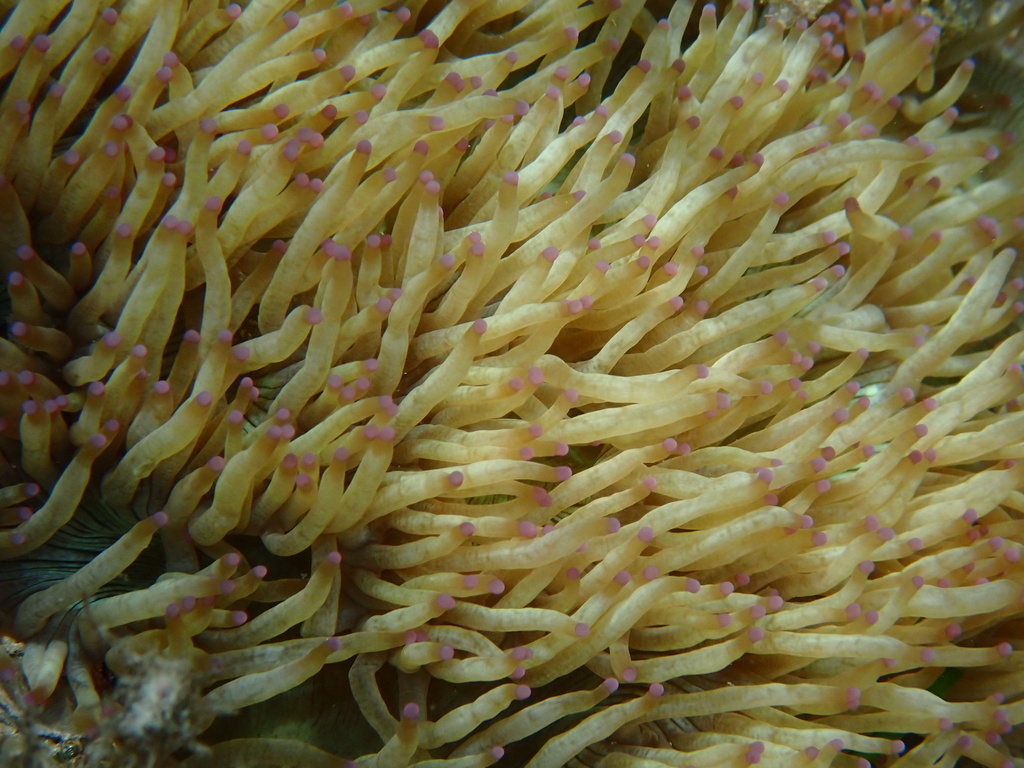
Rainbow / Ultra Elegance →
Multi-color Aussie elegances combining pink, gold, green, and purple on a striped disc; top-tier named showpieces.
Tip: Give these expensive corals their own open sandbed spot with no stinging neighbors — elegance has long sweeper tentacles AND is sensitive to being stung; stable ALK/CA prevents tissue recession.
 representative
Wall / Branching Elegance →
Two skeletal growth forms: a flat 'wall' base versus a branching/tongue base; the branching type is often considered the more forgiving import.
Tip: Identify the base type at purchase — branching-skeleton elegances historically survived better; rest either type on sand so the fleshy mantle isn't punctured.
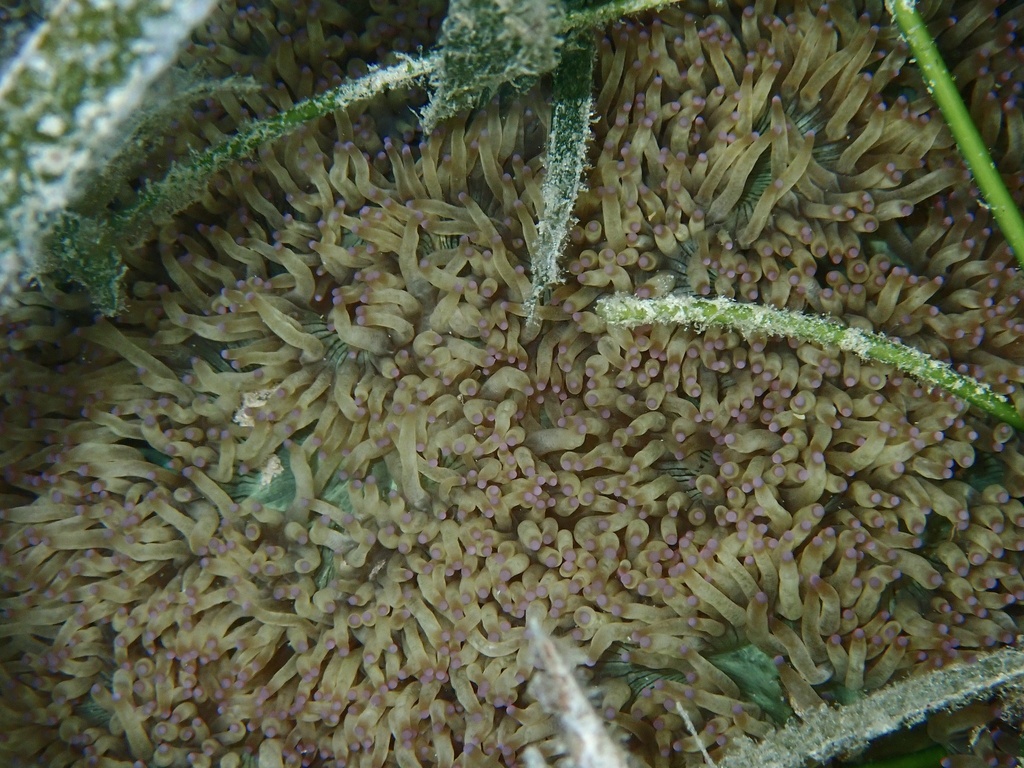 representative
Indo Elegance (Brown/Green) →
The classic *Catalaphyllia jardinei*: a sweeping mantle of wavy tentacles, typically tan-brown with neon-green or pink tips and a striped oral cone.
Tip: Place on the sandbed (not rock) in low-to-moderate light and gentle flow, mimicking the soft inshore substrate it's collected from.
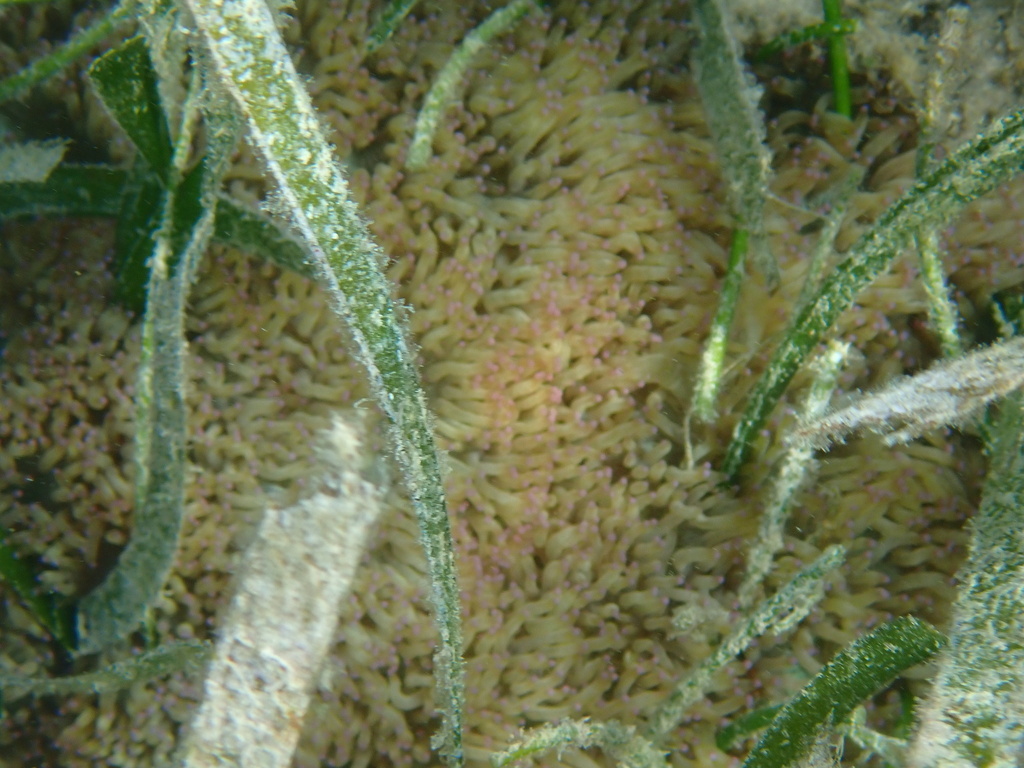 representative
Aussie Elegance →
Australian-collected Elegance with a thick, vividly colored mantle — often gold, green, or lavender tentacles with contrasting tip color and a bold striped foot.
Tip: Sandbed placement with low flow and moderate light; Aussie specimens are widely considered hardier but still spot-feed and avoid bright direct lighting that can bleach the mantle.
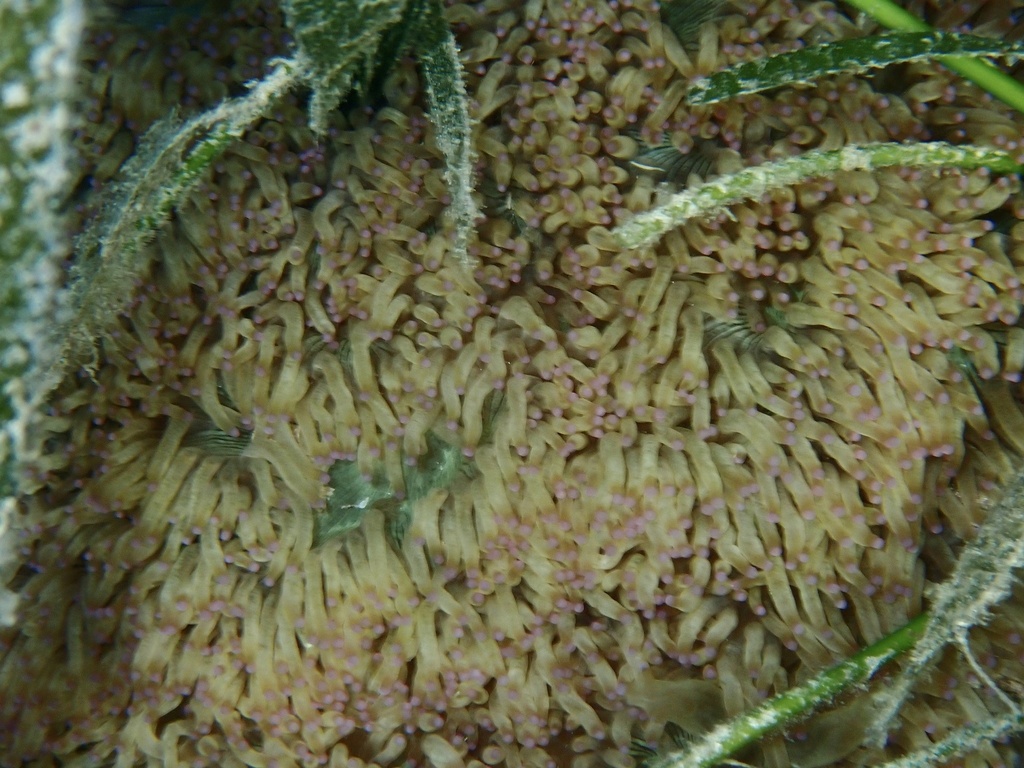 representative
Gold Elegance →
An Elegance whose mantle is predominantly gold-to-yellow — the single most commonly seen Elegance color form, often with pink, purple, or green tentacle tips.
Tip: Moderate blue-leaning light brings out the gold without bleaching; keep it on sand with calm flow and feed to sustain the pigment.
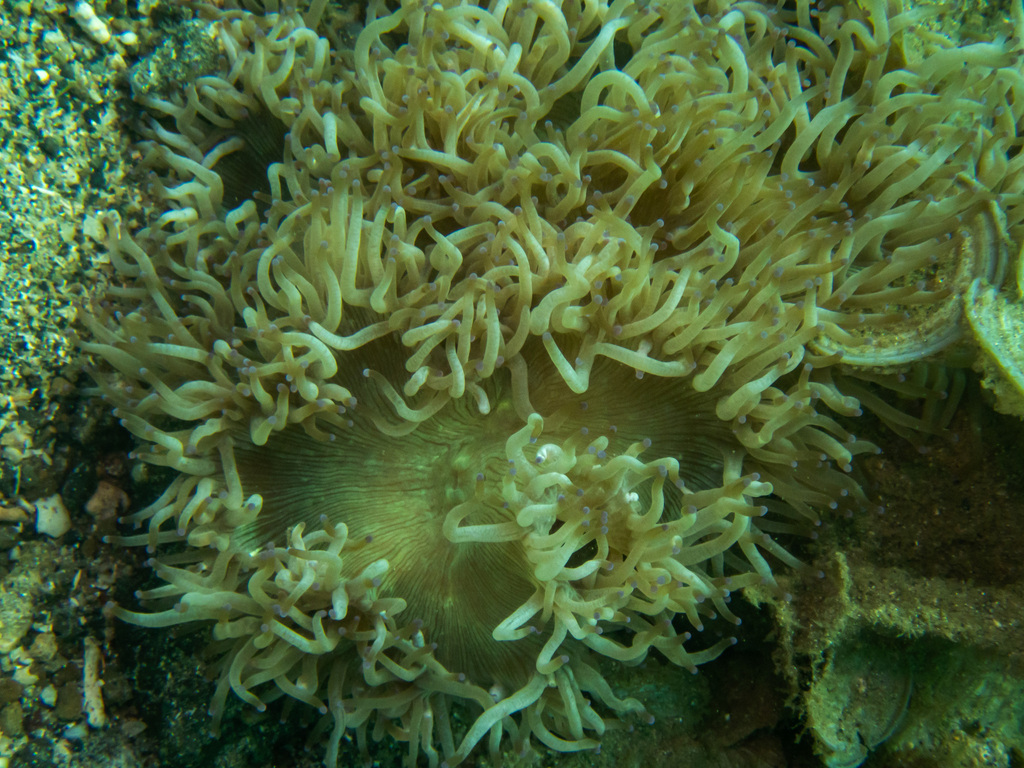 representative
Rainbow Elegance →
A multicolor Elegance combining green, gold, pink, and lavender across the mantle and tips for a rainbow-gradient look on a single animal.
Tip: Use a blue-rich spectrum at moderate intensity to make the multiple pigments fluoresce; sandbed, gentle flow, and target feeding keep all the colors saturated.
 representative
Gold Tip Elegance →
A green-to-tan based *Catalaphyllia jardinei* whose long flowing tentacles fade to glowing gold or yellow tips. Reef Builders called the gold/yellow tip the modern elegance status symbol.
Tip: Place on the sand bed or low rockwork in low-to-moderate, indirect flow so the fleshy polyp can fully inflate; moderate light (roughly PAR 100-150) keeps the gold tips bright without bleaching. Give it wide spacing, as the sweeper tentacles sting neighbors.
 representative
Orange Tip Elegance →
A green- or tan-based elegance with tentacles tipped in vivid orange — described by Reef Builders as 'the cream of the crop' of tip colors.
Tip: Sand-bed placement with gentle indirect flow and moderate lighting; avoid strong flow, which prevents the fleshy polyp from extending and showing the tips. Keep well away from other corals.
 representative
Pink Tip Australian Elegance →
The classic and most widely available form: a green or tan oral disc with tentacles ending in soft pink tips.
Tip: Rest it on the sand bed in low-to-medium flow under moderate light. It is the most commonly traded elegance form, but elegance as a group is not a true beginner coral — buy a healthy, fully inflated specimen and watch for tissue recession.
representativeRed Tip Aussie Elegance →
An Australian elegance with tentacles flushed red toward the tips over a green/tan body — a deeper, warmer tip color than the common pink.
Tip: Low rock or sand placement with calm, indirect flow and moderate light to keep the red saturated. Provide ample distance from neighbors.
 representative
Toxic Green Elegance →
A high-saturation neon/lime green elegance, often with contrasting pale or colored tentacle tips — the 'toxic' green look prized for fluorescence under blue light.
Tip: Sand bed, low-to-moderate flow, and blue-heavy lighting to maximize the green fluorescence; avoid intense flow that keeps the polyp from inflating.
 representative
Blue Tip Elegance →
A green-based elegance whose tentacles carry blue to blue-purple tips — one of the cooler-toned tip colors in the trade.
Tip: Sand-bed placement, gentle indirect flow, and actinic-rich lighting to bring out the blue tips. Keep clear of other corals.
 representative
Chernobyl Sunrise Elegance →
An extreme, radioactive-looking elegance whose entire polyp — oral disc and tentacles — glows fluorescent neon yellow, capped with bright blue tentacle tips. Reef Builders memorably said it looked like 'a sunset at Chernobyl.'
Tip: Sand bed, low flow, and moderate blue-leaning light to drive the neon fluorescence; acclimate lighting slowly to protect the intense pigment and let the heavy polyp fully inflate.
 representative
Ultra Metallic Green Elegance →
A metallic, deeply saturated green elegance marketed for its uniform high-end green coloration, sometimes with contrasting blue tips.
Tip: Sand bed, low-to-moderate indirect flow, moderate light; let the heavy polyp fully inflate before judging color. Space it away from neighbors.