Torch coral
Euphyllia glabrescens · also called Pom-pom coral, Trumpet torch, Torch

Photo: Josuevg · CC BY-SA 3.0
An iconic, high-value LPS coral with long, flowing tentacles each ending in a brightly colored tip, giving a 'torch' or flaming appearance as they wave in the flow. Premium aquacultured morphs (e.g., Gold Torch, Indo Gold, Hellfire, Dragon Soul) command high prices. Beautiful but armed with strong sweeper tentacles, so it must be spaced well away from other corals.
🩺 Need expert help with your torch coral?
Connect with a specialist near you or ask a licensed vet — never substitute online guidance for hands-on care in an emergency.
Quick facts
| Size | Long flowing tentacles up to 4-6 in (10-15 cm) tipped with a contrasting rounded knob; branching colonies carry multiple heads and can reach 8-12+ in (20-30+ cm |
| Lifespan | 5–50 years |
| Social needs | solo |
| Native region | Indo-Pacific |
| Origin | Old World |
| Climate | 🌴 Tropical |
| Water type | 🌊 Marine |
| Family | Euphylliidae |
| Genus | Euphyllia |
Part of the LPS Corals
Large-polyp stony corals (brains, Euphyllia, Goniopora, Scolymia, Lobophyllia, Favites, Acan, Dendro, Octospawn) with fleshy polyps over a calcium-carbonate skeleton. Intermediate-care reef corals that appreciate moderate light/flow and direct feeding.
Habitat & space requirements
From the minimum an animal needs to be kept humanely, up to the ideal setup. Bigger is almost always better — minimums are floors, not targets.
Life & growth stages
How this animal changes through its life — each stage often has its own care, diet and space needs.
Color & pattern variants
Natural variants occur in the wild; selectively bred (man-made) variants were developed in captivity.
 representative
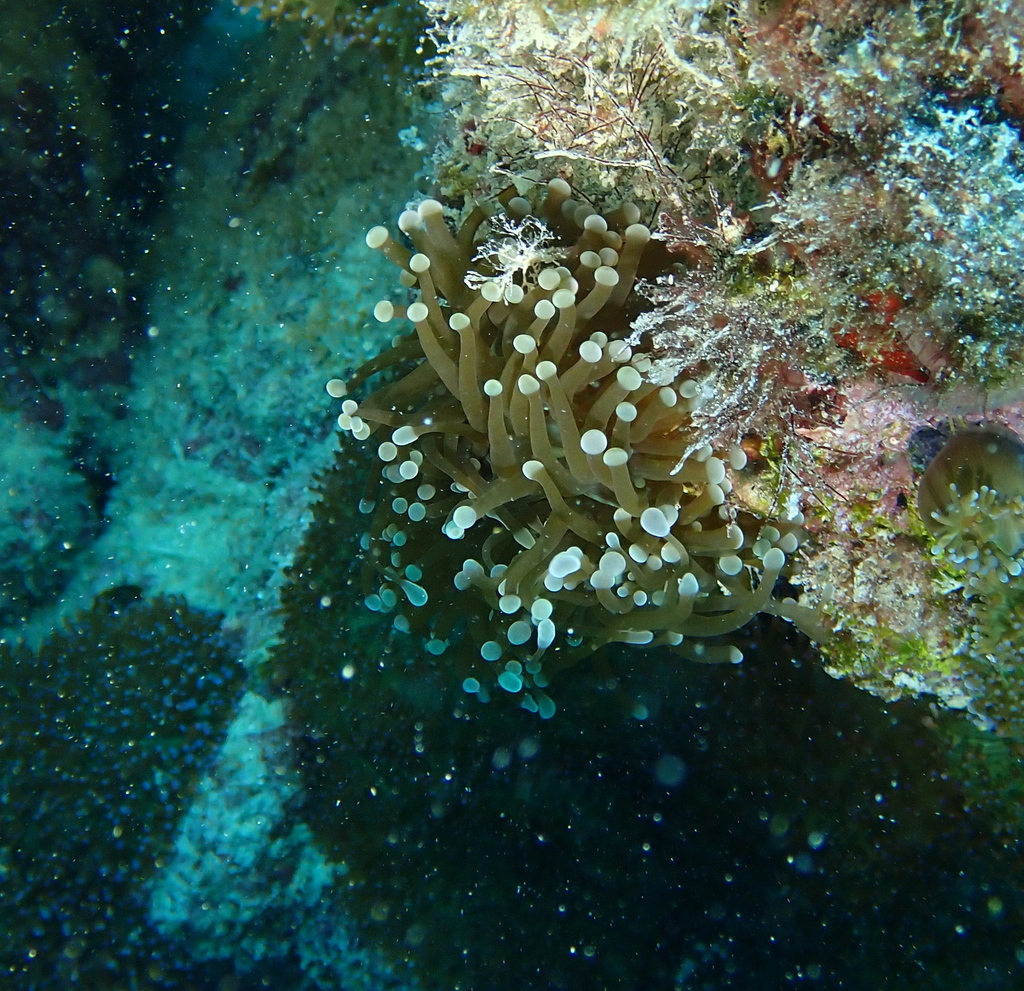
Gold Torch →
Classic golden-bodied torch with cream or contrasting tips; a long-standing, sought-after wild morph now widely aquacultured.
 representative
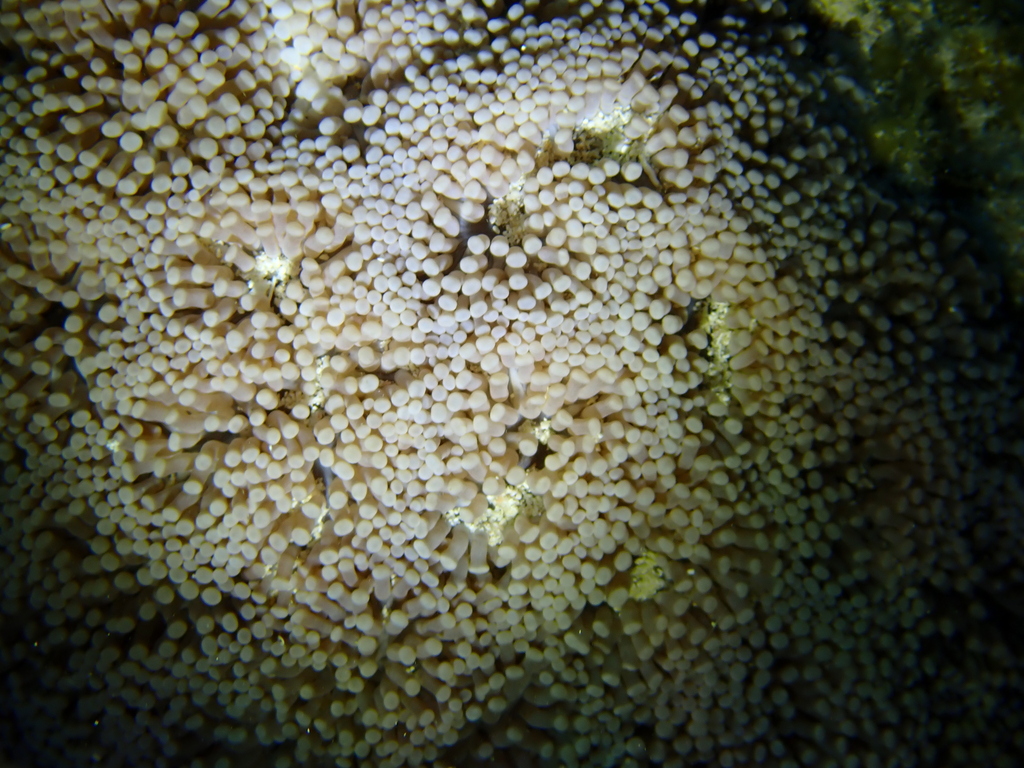
Gold Torch (Gold Hammer-tip) →
A *Euphyllia glabrescens* with golden-yellow tentacles tipped in a contrasting (often green or white) color. A long-standing hobby favorite.
Tip: Give low-to-moderate PAR (~80–150) and gentle, indirect flow; leave space — torches have sweeper tentacles that sting neighbors aggressively.
 representative
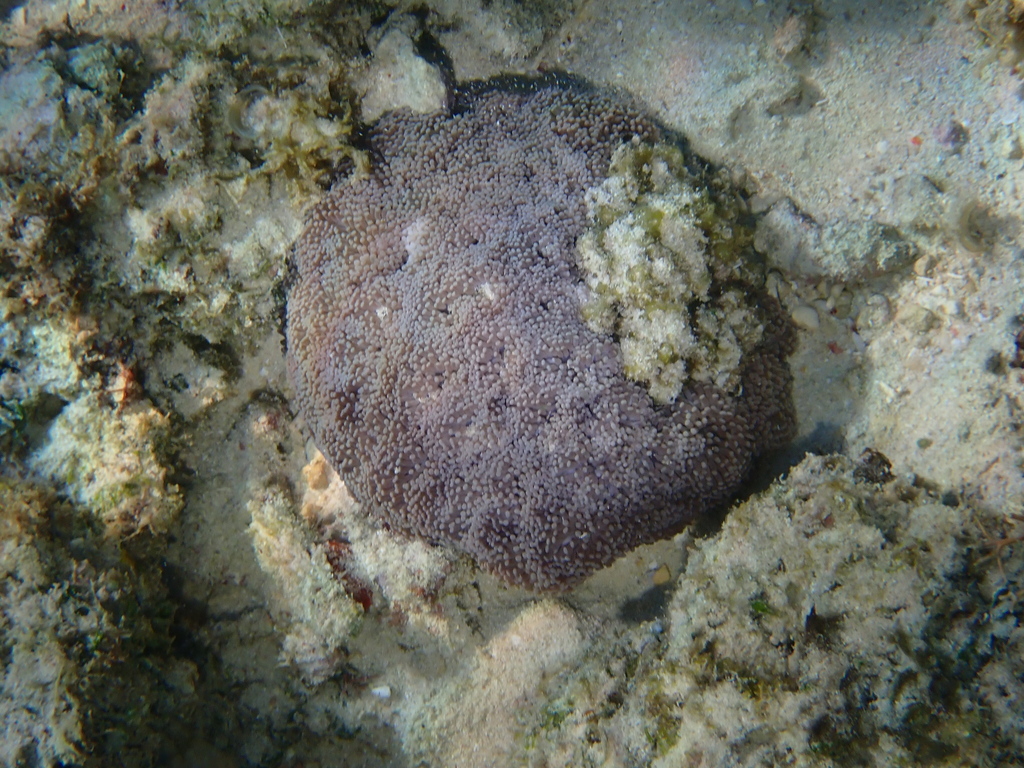
Hellfire / Dragon Soul Torch →
An Australian designer-grade torch with fiery orange/red bodies and contrasting tips, among the most expensive torches in the trade.
Tip: Invest in very stable parameters and gentle flow before buying — high-end torches are prone to 'torch jumping' (tissue recession) when stressed; never place near aggressive corals.
 representative
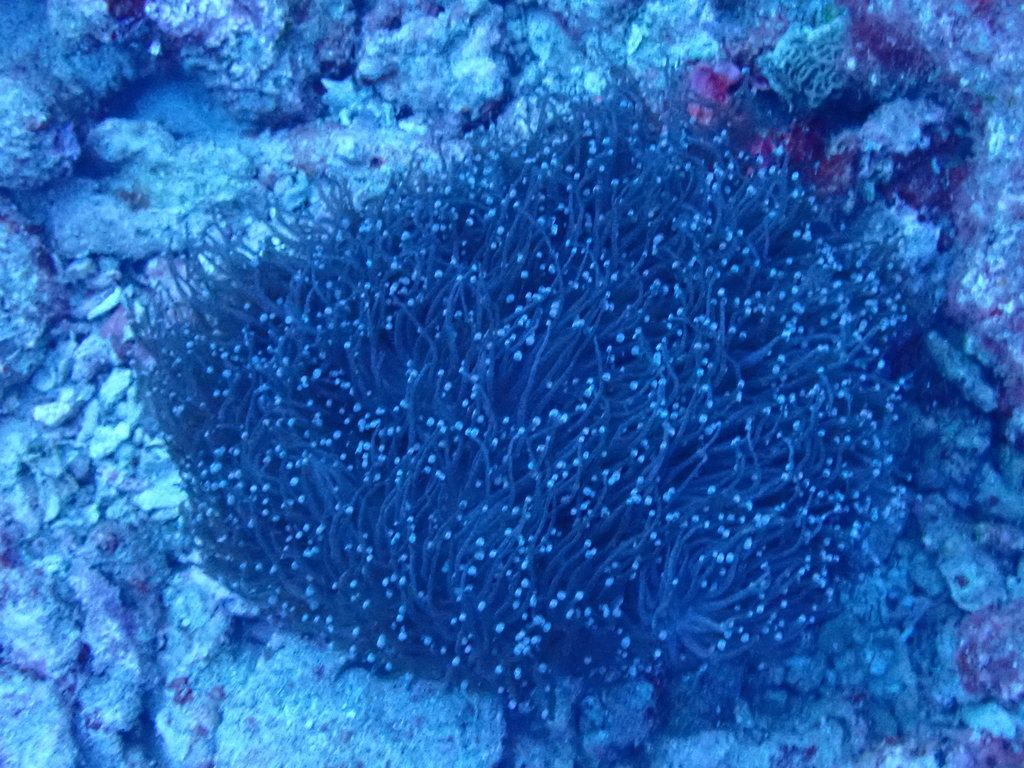
Aussie Gold Torch (24k / Holy Grail) →
Premium Australian-collected torches with intense gold bodies; 'Holy Grail' types add pink/purple tips for extreme contrast.
Tip: Acclimate to light very gradually and keep flow soft; sudden lighting changes cause the prized gold to bleach pale.
 representative
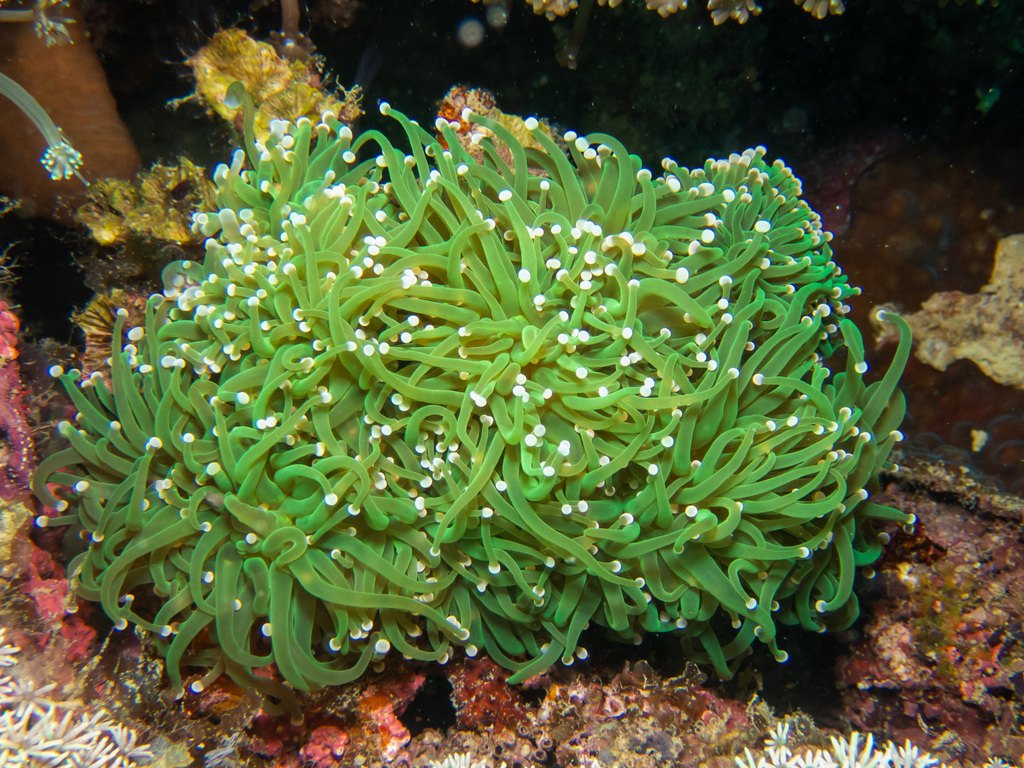
Octospawn / Octo Torch →
A torch-type *Euphyllia* with shorter, octopus-like tentacles (often green-to-purple), bridging torch and hammer appearance.
Tip: Likes slightly lower flow than long-tentacle torches; ensure calcium and alkalinity stay stable for healthy skeletal growth.
 representative
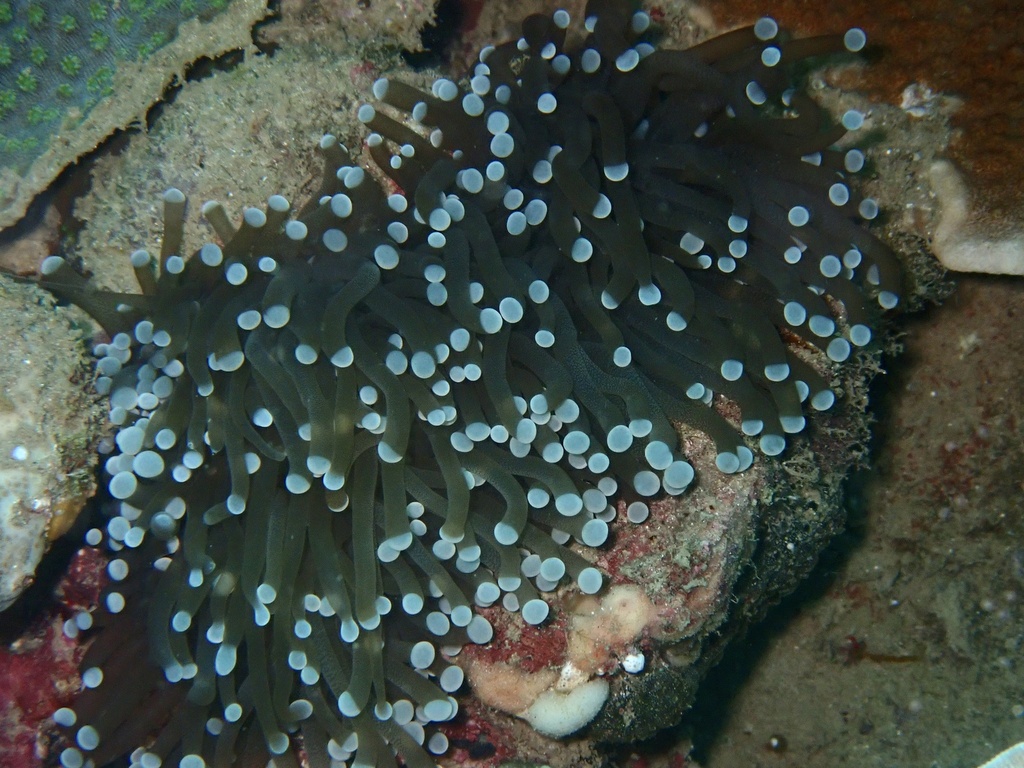
Indo Green Torch →
The standard Indonesian green-bodied torch, the most affordable and widely available entry into the torch hobby.
Tip: A good first torch — keep it isolated from other LPS by several inches due to long stinging sweepers, and feed occasionally to boost growth.
 representative
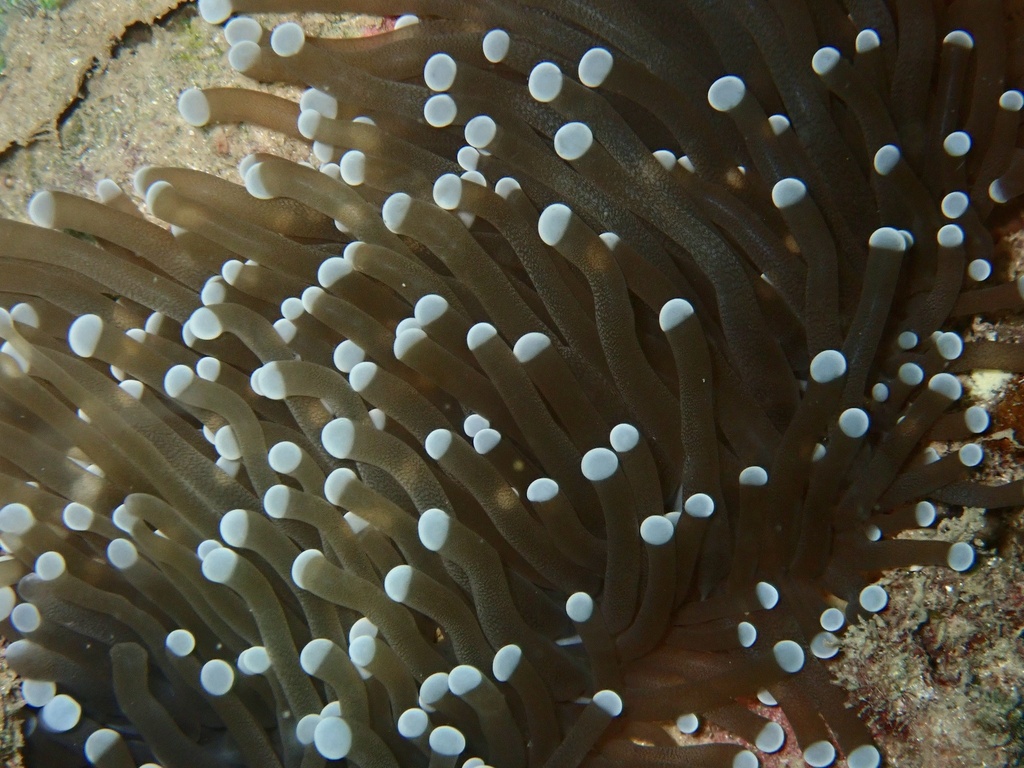
Banana Torch →
A vivid banana-yellow torch; the premium 'Banana Grail' form adds a neon-green base transitioning to yellow stems with blue or pink tips.
Tip: Keep under moderate PAR and gentle-to-moderate flow to preserve the saturated yellow, which can brown under too much light or unstable nutrients; feed lightly to fuel growth.
 representative
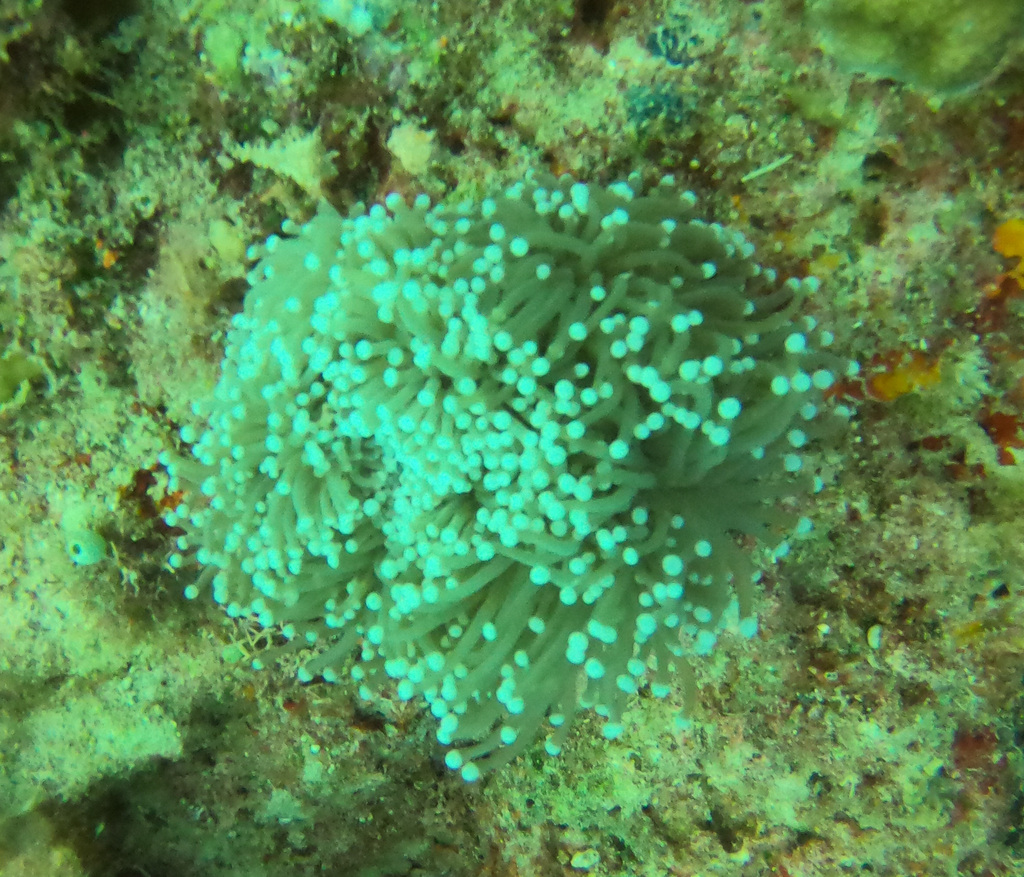
Toxic Green / Neon Torch →
A super-fluorescent neon green torch that glows vividly under actinic lighting.
Tip: Use blue-heavy spectrum to maximize the neon glow; don't over-light, as too much PAR causes bleaching that dulls the fluorescence.
 representative
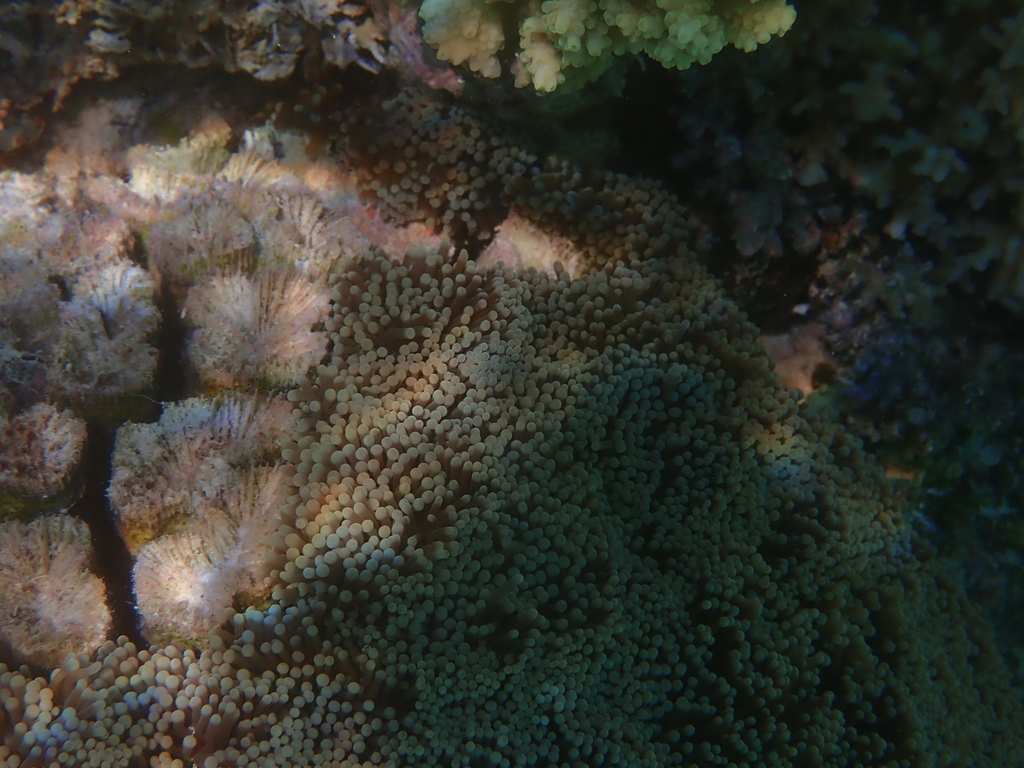
Holy Grail Torch →
The most coveted gold torch: a neon-green to highlighter base transitioning to rich golden-yellow stems with pink or blue tips, all fluorescing dramatically under actinics.
Tip: Acclimate slowly to light and keep it under moderate PAR (~100-150) with gentle, indirect flow; these high-value gold pieces sulk and can brown if blasted, so err toward calmer placement low in the tank.
 representative
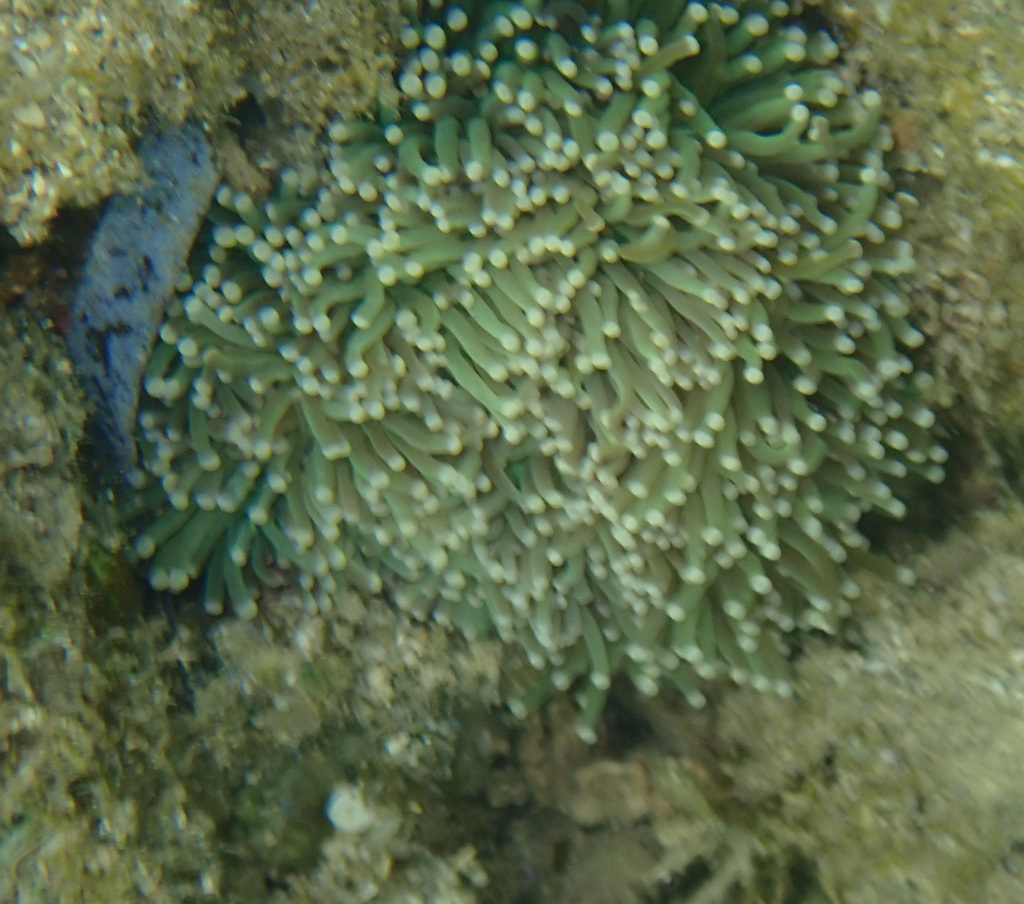
Indo Gold Torch →
Indonesian gold torch with warm golden-yellow tentacles and lighter or green tips, less neon than the Holy Grail but a classic, more accessible gold look.
Tip: Prefers moderate-to-high light (PAR ~150-250) with moderate flow; place mid-rock and feed small meaty foods to keep the gold color rich. Like all gold torches it browns out under unstable parameters.
 representative
Orange Indo Torch →
An orange-bodied torch with paler glowing tips, warmer and more saturated than the standard green Indo torch.
Tip: Keep under moderate indirect flow at mid level; ensure good feeding (mysis/coral foods) to help maintain pigment.
 representative
Green Indo Torch (standard) →
The classic torch: lime-green tentacles tipped in cream/white, the most widely available and the reference point for the species.
Tip: Low-to-mid placement, moderate indirect flow, PAR ~75-120; one of the more approachable Euphyllia but still wants stable alkalinity.
 representative
24K Gold Torch →
Radiant, shimmering golden-yellow tentacles with bright metallic tips, named for its 24-karat gold sheen under blue light.
Tip: Keep under moderate, stable lighting and gentle-to-moderate flow; sudden light or flow swings, or rising nutrients, can cause the prized gold to brown out. Gold torches are among the more demanding torch morphs.
representativeAussie Gold Torch →
An Australian gold torch with thick, robust golden tentacles and often green-to-gold gradients; prized for chunky heads.
Tip: Widely regarded as the most sensitive and hardest-to-keep torch morph. Give stable parameters, moderate PAR, and gentle-to-moderate flow, acclimate slowly, and space heads from neighbors since Euphyllia can sting. Best reserved for experienced keepers.
 representative
NY Knicks Torch →
A bold orange-and-blue torch named for the Knicks' colors: fiery orange tentacles tipped in electric icy-blue, often over a purple base with a green mouth.
Tip: Show off the blue tips under heavy actinic/blue spectrum; keep moderate, indirect flow and avoid touching neighbors, as the bodies carry potent sweeper stings.
 representative
Hellfire Torch →
A molten torch with tentacles that run half orange and half purple, green striping near the base, and pink-to-light-purple tips; some heads carry a green mouth.
Tip: Position mid-to-lower rock with moderate, indirect flow; the red/orange pigments hold best under balanced blue-heavy light rather than intense full-spectrum.
 representative
Cotton Candy Torch →
A pastel torch with a highlighter-green base and tentacles capped in soft pink and blue tips, resembling cotton candy.
Tip: Moderate light keeps the pastel tip colors crisp; give gentle, indirect flow so the delicate pink/blue tips stay extended, and avoid bleaching the soft hues with overly intense lighting.
 representative
Todd's Torch →
A fast-growing golden-green torch with thick tentacles and lighter tips, greener than typical gold torches.
Tip: One of the more forgiving named torches; tolerates moderate light and moderate, indirect flow and propagates readily, making it a good collector torch for an intermediate keeper.
 representative
Tiger Torch →
A patterned torch with contrasting banded tentacles, typically gold/orange bodies broken by darker striping for a tiger-stripe effect, often tipped in neon green.
Tip: Moderate, blue-leaning light brings out the stripe contrast; keep moderate, indirect flow and give space, as the patterning shows best on fully extended, unbothered heads.
representativeCC 21 Tails Torch →
An ultra-premium collector torch noted for its dense, numerous flowing tails and saturated neon coloration, treated as a top-tier signature piece.
Tip: Treat as a high-value specimen: stable parameters, moderate light, and gentle flow during acclimation; give wide spacing from other Euphyllia to avoid sweeper-tentacle damage.
representativeBlack Torch →
A dark-bodied torch with near-black or deep purple/grey stems contrasted by bright yellow, orange, green, or pink tips. The premium 'Abyss Black' is a notably dark, green-mouthed form.
Tip: Darker torches hold color under moderate light without bleaching; keep moderate, indirect flow and feed regularly, as dark pigments come from healthy, well-fed tissue.
representativePink Tip Torch →
A classic torch with green or gold bodies ending in bright pink-to-magenta tips; Australian pink-tip forms are especially thick and vivid.
Tip: The pink tips show best under blue-heavy light; keep moderate, indirect flow, feed occasionally, and give a few inches of clearance from neighboring corals.
 representative
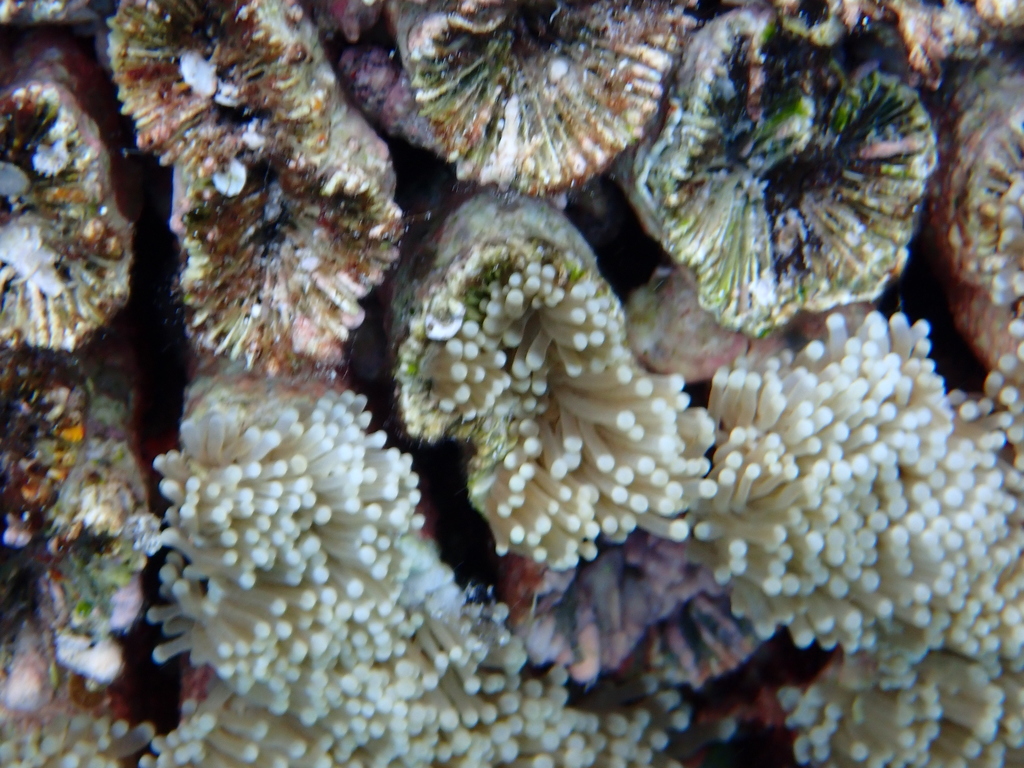
Dragon Soul Torch →
A fiery showpiece torch with deep orange-to-red and gold tentacles, golden streaking up the stems, and electric neon-green-to-blue tips that glow intensely under blue light.
Tip: Give it low-to-moderate, indirect flow so the tentacles sway without being battered, and moderate light (PAR ~100-150) on the lower-to-mid rockwork. Space it well away from other corals, as Euphyllia carry potent sweeper tentacles.
 representative
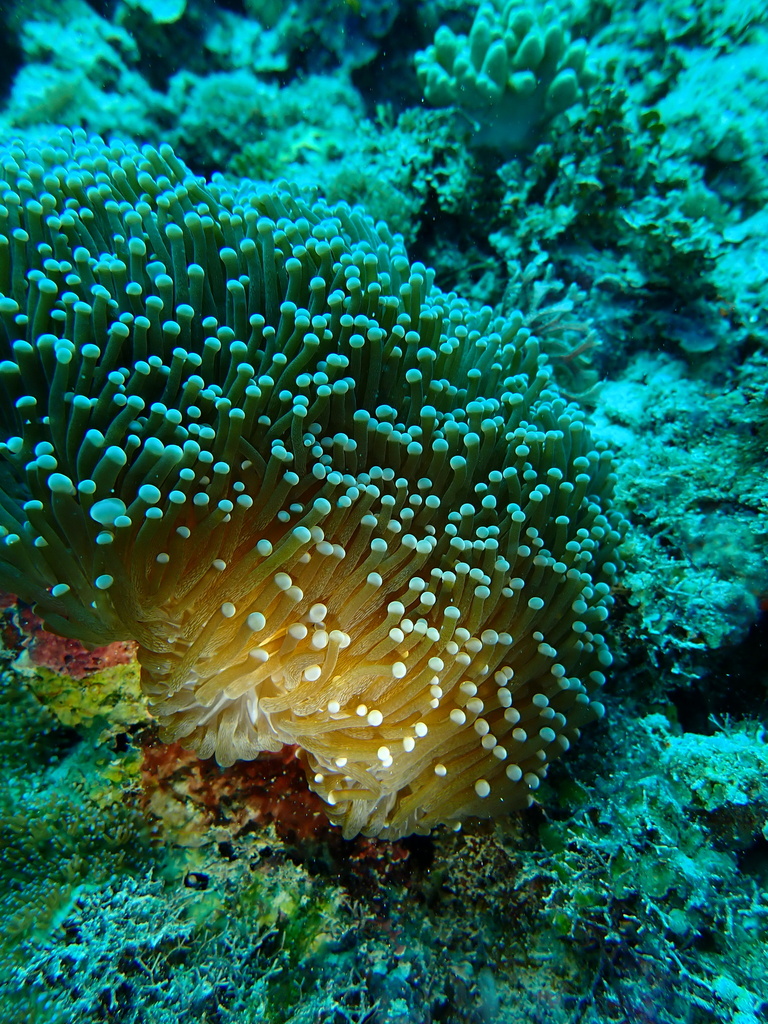
Hellfire / Indo Gold / Banana Torch →
Named, line-bred designer torch strains selected for intense gold, orange, and multicolor tips and bodies; propagated in captivity for the high-end frag market.
representativeJester Torch →
A multicolor 'jester' torch mixing green, gold, and pink/blue tones across the tentacles for a harlequin look; Top Shelf Aquatics' 'Jester Insanity' is an especially saturated named version.
Tip: Provide moderate, blue-leaning light to pop the multicolor tips and gentle, indirect flow; place where the full head spread is visible to appreciate the color mix.